
Blog icon

December 2025

About NBIC

The National Bushfire Intelligence Capability (NBIC) addresses the on-going need for science-based, readily accessible, authoritative national data and analyses on bushfire hazard that considers future climate over a range of timescales.

We do this through the development of bushfire mapping products and the capture of relevant lessons about infrastructure loss for application to future bushfire events.

Thank you

An image of a group of people

As 2025 comes to a close, we'd like to thank the many people that continue to shape NBIC. To our funders, governance group members, collaborators and stakeholders - thank you for your incredible enthusiasm, energy, connections, cooperation, patience and guidance. Have a wonderful Festive Season. Stay safe and we look forward to working together in 2026.

The NBIC team
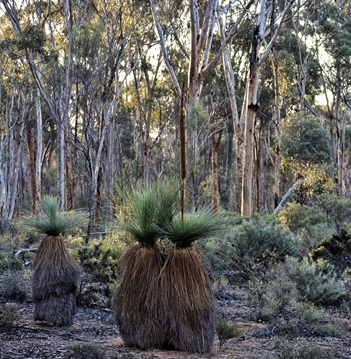
National bushfire hazard data released

Fireline Intensity Potential - new datasets

For the first time, Australia has access to nationally standardised, decision-ready fireline intensity data that represents bushfire hazard information for extreme bushfire events. By modelling the extremes of fireline intensity that are driven by extreme fire weather and long unburnt vegetation, this data estimates the worst-case scenarios Australia may face.

National fire weather data released

Fire Weather Potential - new datasets

Australia’s fire seasons are becoming longer, more intense and less predictable. Understanding how fire weather is changing and what it might look like in the future is critical for preparing communities, managing landscapes and protecting lives and infrastructure. The new national datasets will provide information about Australia’s fire weather extremes – past, present and future. The following datasets have been released: Forest Fire Danger Index (FFDI), Grass Fire Danger Index (GFDI) and Canadian Fire Weather Index (FWI) for current and projected scenarios.

Updates to Bushfire Fuel Classification data

An image of vegetation layers.

Bushfire Fuels Classification (BFC) is a system that groups bushfire fuels based on the type and structure of vegetation. The BFC dataset is a fuel type map created through a nationally consistent implementation of this system.

This data update incorporates better estimation of vegetation height below 5 metres, improving the segregation of bushfire fuel classes across shorter vegetation, based on the annual vegetation height data from Ticehurst et al. 2025.
Updates to Bushfire Extent data

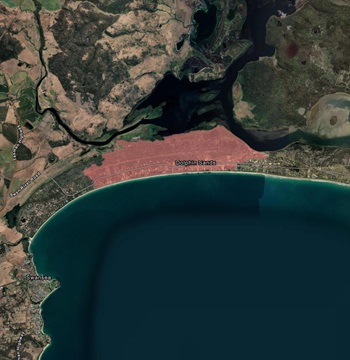
A satellite image of Dolphin Sands, Tasmania. An area is shaded is pink to show bushfire extent for December 2025.

Bushfire extent data  tells us where, when and how frequently fire has occurred.

Geoscience Australia has released redesigned Accumulating and Near Real-Time Bushfire Extents web services and Version 4 of the Historical Bushfire Extents dataset. Available on the Digital Atlas of Australia, they deliver faster updates and increased coverage across all jurisdictions supporting cross‑border awareness and better-informed decisions for government, researchers and communities.
Retirement from CSIRO

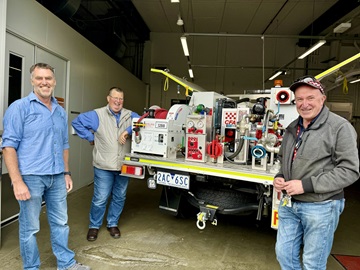
An image of 3 people standing at the back of a truck equipped to fight bushfires.

Justin Leonard has spent over three decades helping Australians live safely with fire. From testing homes and fire trucks in extreme conditions to shaping national bushfire intelligence through NBIC, his work empowers communities and decision-makers to build resilience and adapt to a changing climate.

Justin retires from CSIRO and leaves a lasting legacy for both the team and Australia. He is excited to explore the next chapter, new work/life balance and contribute to the fire sector at a more leisurely pace.

Over a long period of working and learning together, the capability and knowledge of Justin’s research group have grown through a deliberate effort to foster leadership and domain expertise. This team now look forward to leading NBIC into its next phase.  

Get in touch with the team

Funding update

NBIC Stage 2 funding ended on 30 June 2025.

NBIC Stage 3, Year 1 funding was announced by the National Emergency Management Agency on 24 November, 2025.

NBIC Stage 3, Year 2 funding was announced in the Mid-Year Econonomic and Fiscal Outlook 2025-26 on 17 December, 2025.

Priorities for Stage 3, Year 1 were identified with state, territory and Commonwealth jurisdictions in June 2024 and developed into a business case in January 2025.

Major areas of work include:

  • Updates to NBIC Stage 2 core data: terrain, fuels, fire weather and fireline intensity for CSIRO and bushfire extents for Geoscience Australia.
  • Integration: NBIC Stage 2 data integrated into existing tools and processes to support decision making.
  • Asset loss potential: review of best practice asset loss methods to apply nationally for residential assets.
  • Disaster Assessment Surveyor System: enhancing and supporting adoption of this post-bushfire impact assessment tool with interested agencies.
  • Governance: Operating and refining the governance structures established in NBIC Stage 2.

We sincerely thank our funders, collaborators, users and governance members for their support and guidance throughout NBIC Stage 2. We look forward to working together on NBIC Stage 3.

Our data and products