
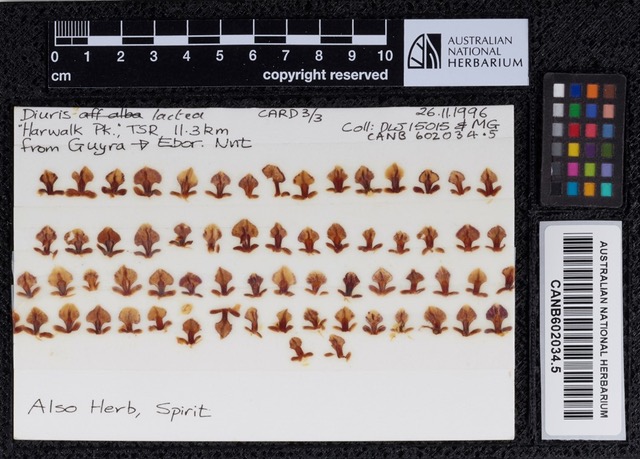
 The Australian National Herbarium (ANH) has more than one million plant specimens, making it one of the largest and most significant plant collections in the country.
The ANH has a national focus with an international reputation for the quality of its collection and its management and dissemination of plant data.
Some of the ANH's specimens were collected during Captain Cook’s 1770 expedition to Australia. These specimens are particularly valuable because they are a record of the pre-European flora of Australia.
The ANH also houses specimens taken from the Australian National Botanic Gardens and helps to verify the scientific names used in labelling the Gardens’ collection of living plants.
Specimens are also used for ongoing taxonomic and evolutionary research, population biology and ecological studies.
Groups that are particularly well-represented in the ANH’s collections include eucalypts, wattles, lilly pillies, melaleucas, orchids, mosses, lichens, fungi, and plants from Papua New Guinea.
Our research
Our research focuses on the native plants of:
- Australia and New Zealand
- the south and west Pacific.
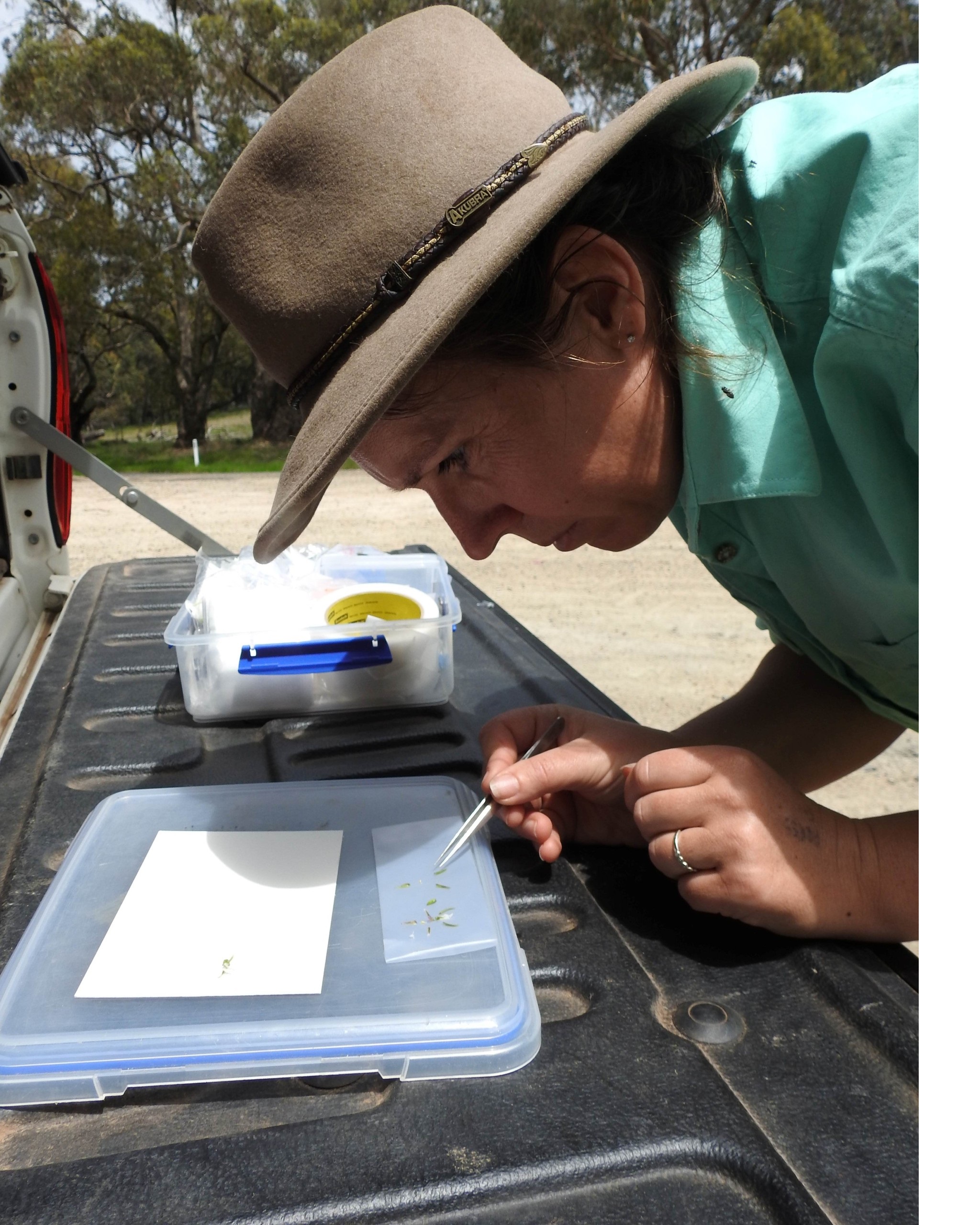 Our scientists use a range of techniques in molecular biology, environmental modelling and community ecology in their research. Our primary areas of research currently include:
- Orchidaceae (orchids)
- Asteraceae (daisies)
- Santalaceae (sandalwoods)
- hornworts and liverwort
- lichens.
The ANH operates a loans and exchange program to share plant specimens with Australian and international botanical research institutions.
Tours of the ANH are sometimes offered to special interest groups by request.
What is the collection used for?
Coupled with our specialist facilities and expertise, the collection is an important resource for:
- classification and naming of plants
- examining the evolutionary history of plants
- mapping current and past ecological and geographic distribution of plants to help with land management and modelling
- studying the changing nature of plant communities over time
- invasion biology and weed ecology
- building plant identification tools and resources
- molecular phylogenetics.
The Australian National Herbarium is part of a joint venture between Parks Australia and CSIRO.
The Australian National Herbarium (ANH) has more than one million plant specimens, making it one of the largest and most significant plant collections in the country.
The ANH has a national focus with an international reputation for the quality of its collection and its management and dissemination of plant data.
Some of the ANH's specimens were collected during Captain Cook’s 1770 expedition to Australia. These specimens are particularly valuable because they are a record of the pre-European flora of Australia.
The ANH also houses specimens taken from the Australian National Botanic Gardens and helps to verify the scientific names used in labelling the Gardens’ collection of living plants.
Specimens are also used for ongoing taxonomic and evolutionary research, population biology and ecological studies.
Groups that are particularly well-represented in the ANH’s collections include eucalypts, wattles, lilly pillies, melaleucas, orchids, mosses, lichens, fungi, and plants from Papua New Guinea.
Our research
Our research focuses on the native plants of:
- Australia and New Zealand
- the south and west Pacific.
Our scientists use a range of techniques in molecular biology, environmental modelling and community ecology in their research. Our primary areas of research currently include:
- Orchidaceae (orchids)
- Asteraceae (daisies)
- Santalaceae (sandalwoods)
- hornworts and liverwort
- lichens.
The ANH operates a loans and exchange program to share plant specimens with Australian and international botanical research institutions.
Tours of the ANH are sometimes offered to special interest groups by request.
What is the collection used for?
Coupled with our specialist facilities and expertise, the collection is an important resource for:
- classification and naming of plants
- examining the evolutionary history of plants
- mapping current and past ecological and geographic distribution of plants to help with land management and modelling
- studying the changing nature of plant communities over time
- invasion biology and weed ecology
- building plant identification tools and resources
- molecular phylogenetics.
The Australian National Herbarium is part of a joint venture between Parks Australia and CSIRO.