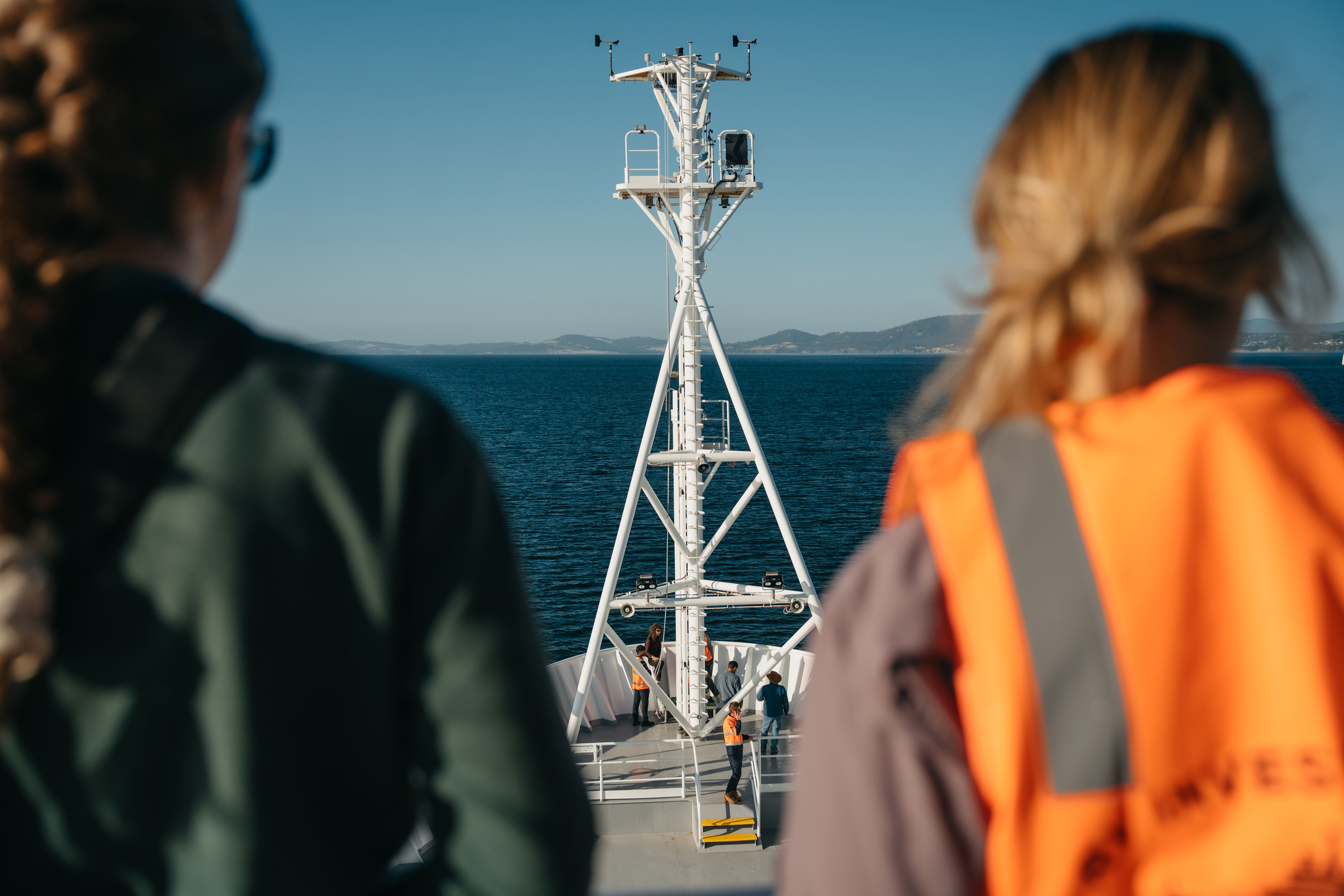
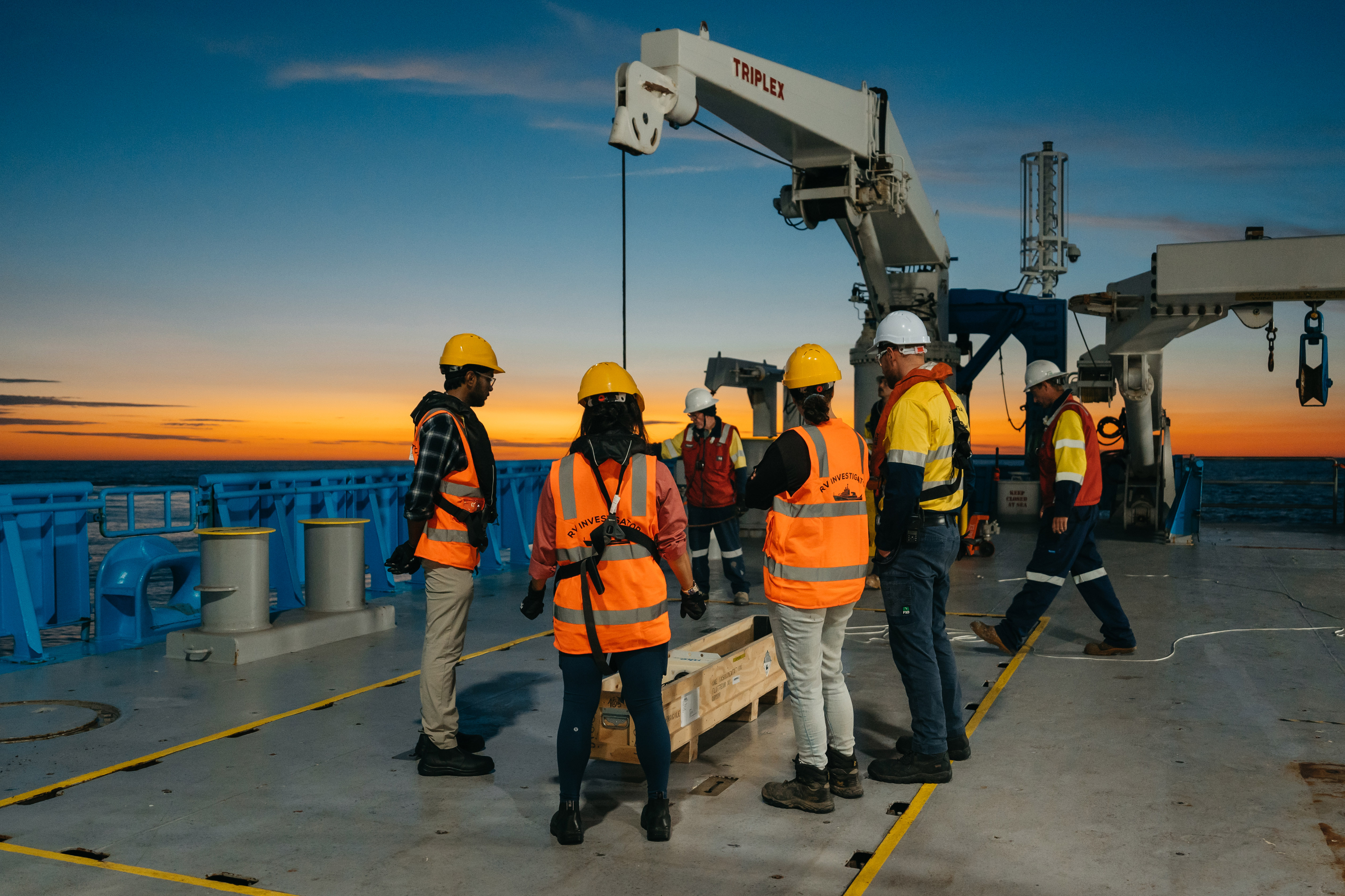
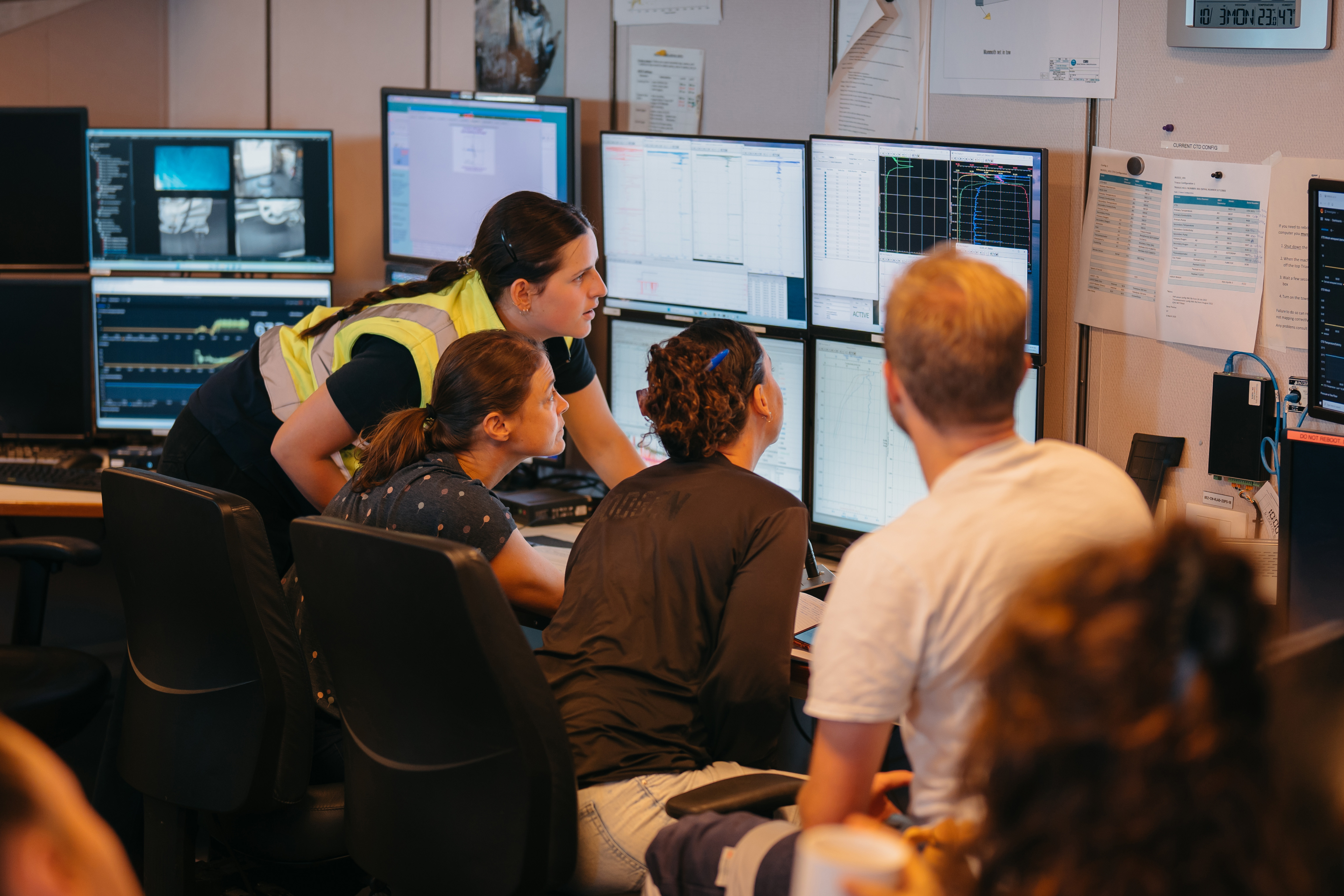
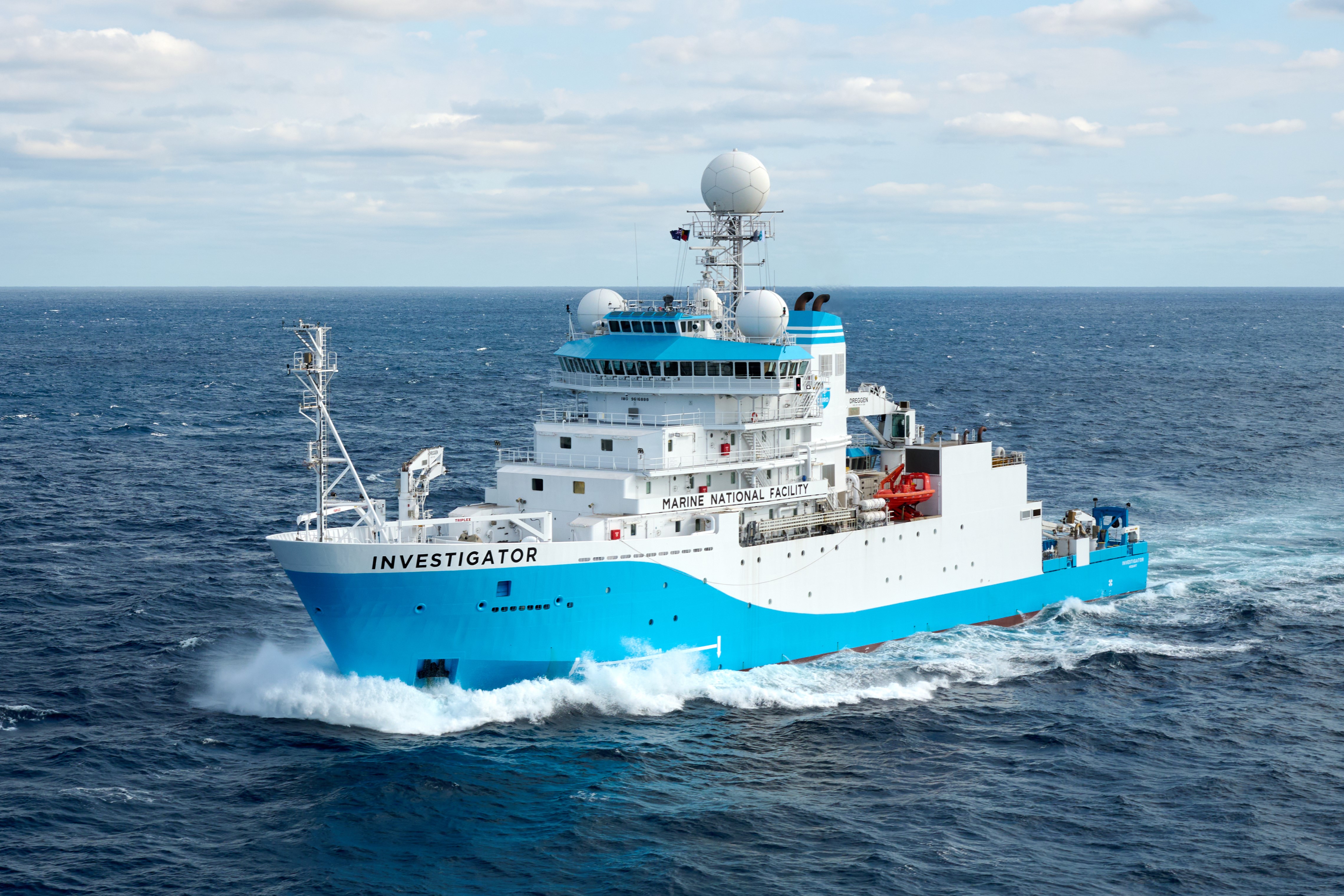
Sea-training program CAPSTAN is heading into international waters for the first time, with 20 university students from across Australia set to gain hands-on research experience aboard CSIRO research vessel (RV) Investigator.
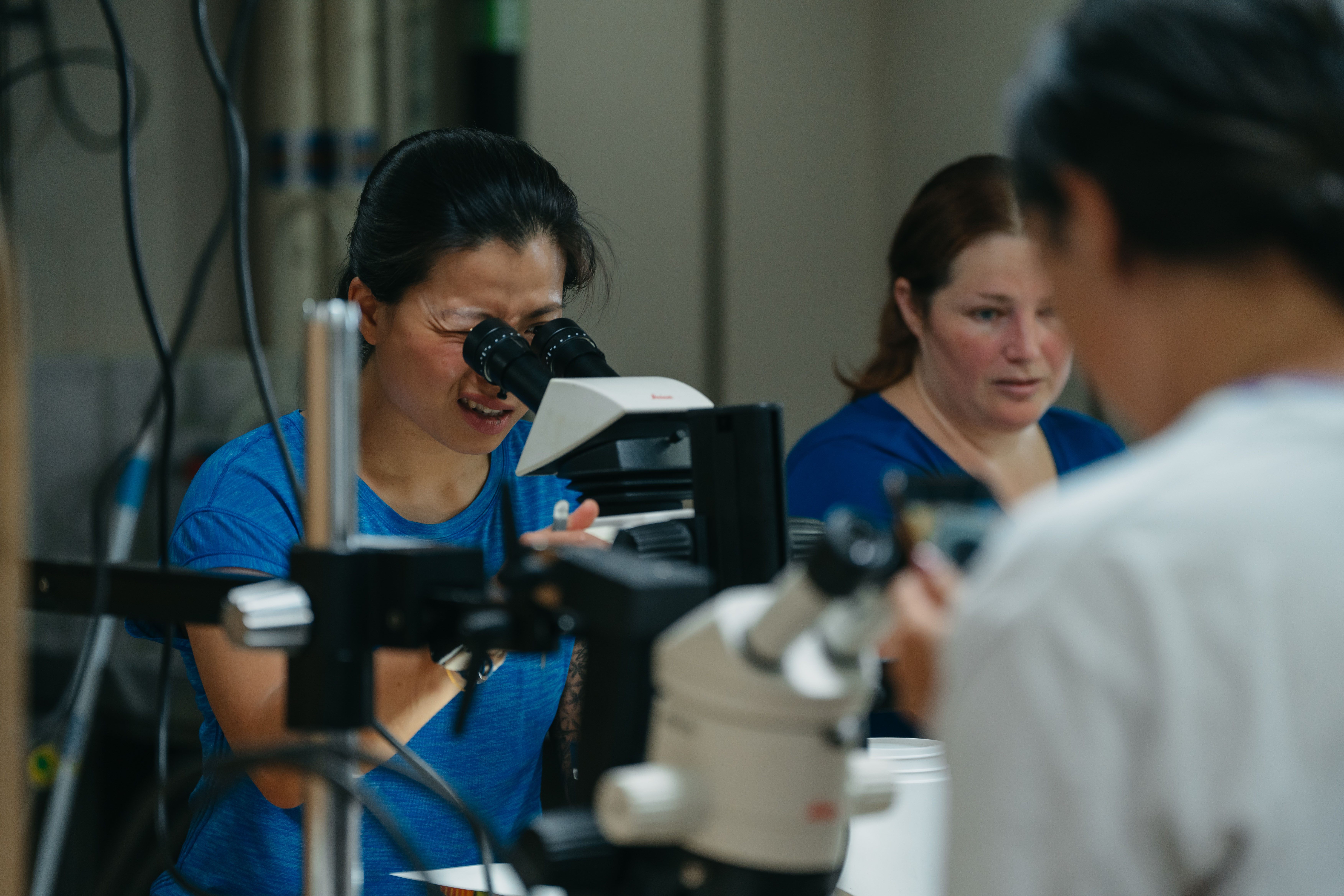
The 14-day voyage will depart from Brisbane and travel to Fiji, with students gaining practical experience across a range of marine research disciplines, including geology, biology, chemistry, physical oceanography and atmospheric science.
The voyage is part of CAPSTAN – the Collaborative Australian Postgraduate Sea-Training Alliance Network – a national tertiary sea-training initiative of Australia’s national science agency, CSIRO, the University of Tasmania’s Institute for Marine and Antarctic Studies (IMAS), and the Australian and New Zealand International Scientific Drilling Consortium (ANZIC).
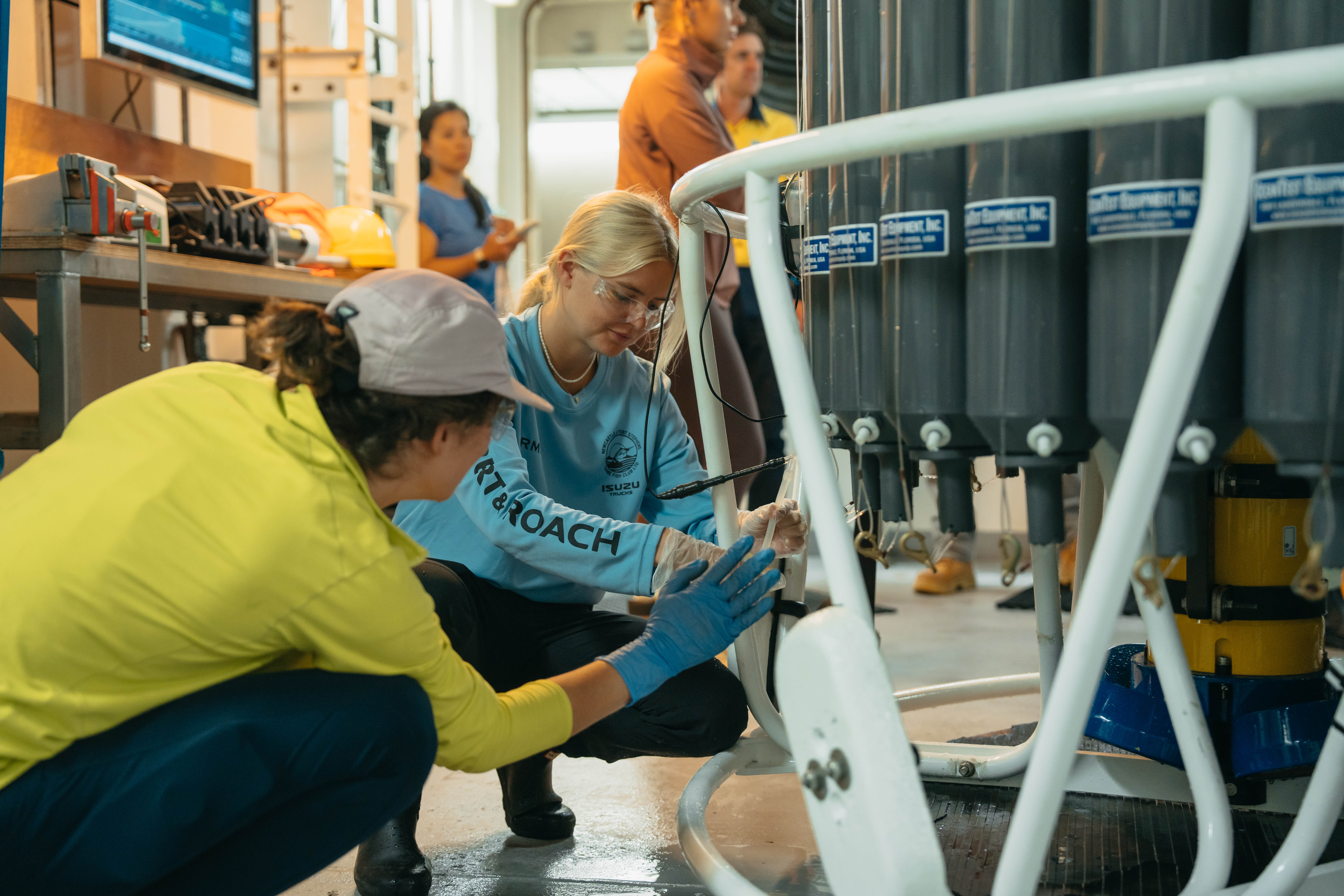
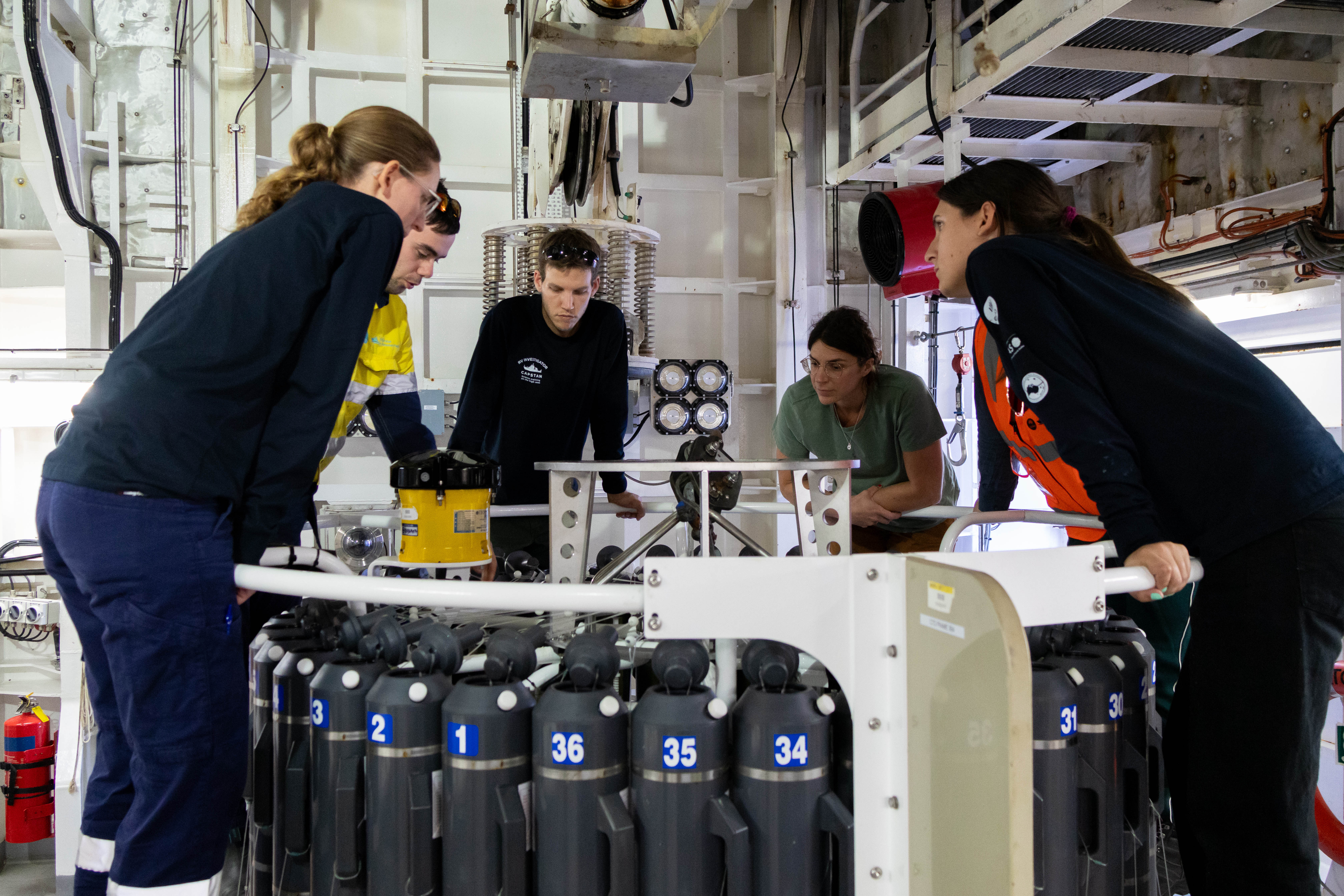
CAPSTAN Director Dr Pier van der Merwe from IMAS said the voyage is an incredible opportunity for students to gain experience working with the advanced equipment and systems aboard Australia’s dedicated ocean research vessel.
“This voyage is special because students will have the opportunity to learn and conduct research in Australia’s exclusive economic zone and then on to international waters on our way to Fiji,” he said.
“For some of these students, it will be their first experience out at sea. CAPSTAN gives them the toolbox they need to build confidence in conducting research at sea.”
Following its relaunch in 2024, CAPSTAN is now in its third year, bringing together postgraduate university students and trainers from 18 Australian universities to experience life and work aboard RV Investigator
Dr van der Merwe said students will be involved in a diverse program of marine research during the voyage.
“We will be collecting geological samples, measuring biogeochemical and physical properties of a seamount in the Western Coral Sea, mapping the seafloor and surveying shipwrecks, investigating microplastics in ocean waters and conducting environmental DNA research,” he said.
“Much of the training that students are involved in will also feed into real-world research programs, with every voyage of RV Investigator contributing a wide range of data to both national and international scientific programs.”
CAPSTAN Voyage Manager Dr Ben Arthur from the CSIRO Marine National Facility said the voyage will provide students with a unique perspective on Australia’s role in scientific collaboration with its Pacific neighbours.
“This is an opportunity for students to consider the contribution they can make as ocean stewards in our region, collaborating to share knowledge and science with our Pacific neighbours,” he said.
“On top of that, CAPSTAN offers an exciting experience for students to gain broad exposure in a diverse range of operations at sea and in multidisciplinary research.”
“The voyage literally demonstrates to students how far and to what incredible places a career in marine science can take you!”
The CAPSTAN voyage departs Brisbane on Thursday 10 September, and will complete a 14-day transit through the Coral Sea and Western Pacific Ocean, before arriving in Fiji on Wednesday 23 September.
Attributable quotes
Dr Gabriela Semolini Pilo – Voyage Chief Scientist from CSIRO
"As Chief Scientist, I’m thrilled to support and help develop the generation of marine experts aboard this voyage on RV Investigator,” she said.
“Students will not only learn from leading scientists in the marine science community but also have a unique opportunity to contribute to real-world research, use advanced scientific equipment and analyse data collected while at sea.”
Associate Professor Ron Hackney – Director, Australian and New Zealand International Scientific Drilling Consortium (ANZIC)
“CAPSTAN gives students the opportunity to step beyond the classroom and become part of a working research team at sea,” he said.
“Being aboard RV Investigator means students are immersed in the full research process, from planning and collecting samples through to working with data and seeing how different areas of marine science come together.
“Much of what we know about our planet comes from understanding what lies beneath the ocean. Giving students the opportunity to work at sea means they can see first-hand how marine and Earth sciences connect, from the seafloor beneath us to the processes shaping our planet.”
Ms Toni Moate – Director, CSIRO Marine National Facility
“The CSIRO Marine National Facility delivers crucial ocean research for Australia with RV Investigator, and CAPSTAN ensures the next generation of marine researchers can be part of that work,” she said.
“CAPSTAN gives students the opportunity to see science in action and understand what it takes to deliver crucial research at sea, from operating specialised equipment to working as part of a multidisciplinary team.
“Giving students that experience early in their careers helps them see where they can contribute to the future of marine science and the important work we do to understand and protect Australia’s marine environment.”
About the CAPSTAN program
The CAPSTAN program is a maritime education and training initiative of Australia’s national science agency, CSIRO, the University of Tasmania’s Institute for Marine and Antarctic Studies (IMAS) and the Australian and New Zealand International Scientific Drilling Consortium (ANZIC).
RV Investigator is part of the Marine National Facility, national collaborative research infrastructure funded by the Australian Government and operated by CSIRO on behalf of the nation.
CAPSTAN partners CSIRO and the Australian and New Zealand International Scientific Drilling Consortium (ANZIC) receive funding for this activity from the Australian Government through the National Collaborative Research Infrastructure Strategy (NCRIS).
Images and vision are available to download here. These are for single use only, and the publication must fully acknowledge the copyright owner and photographer. No archival permission is granted.