
Pests, diseases, and invasive species are growing threats to agriculture, trade, ecosystems, and livelihoods across Southeast Asia and the Pacific. Their impacts are amplified by global trade, climate change, and limited coordination across national borders.
No single country can manage these challenges alone.
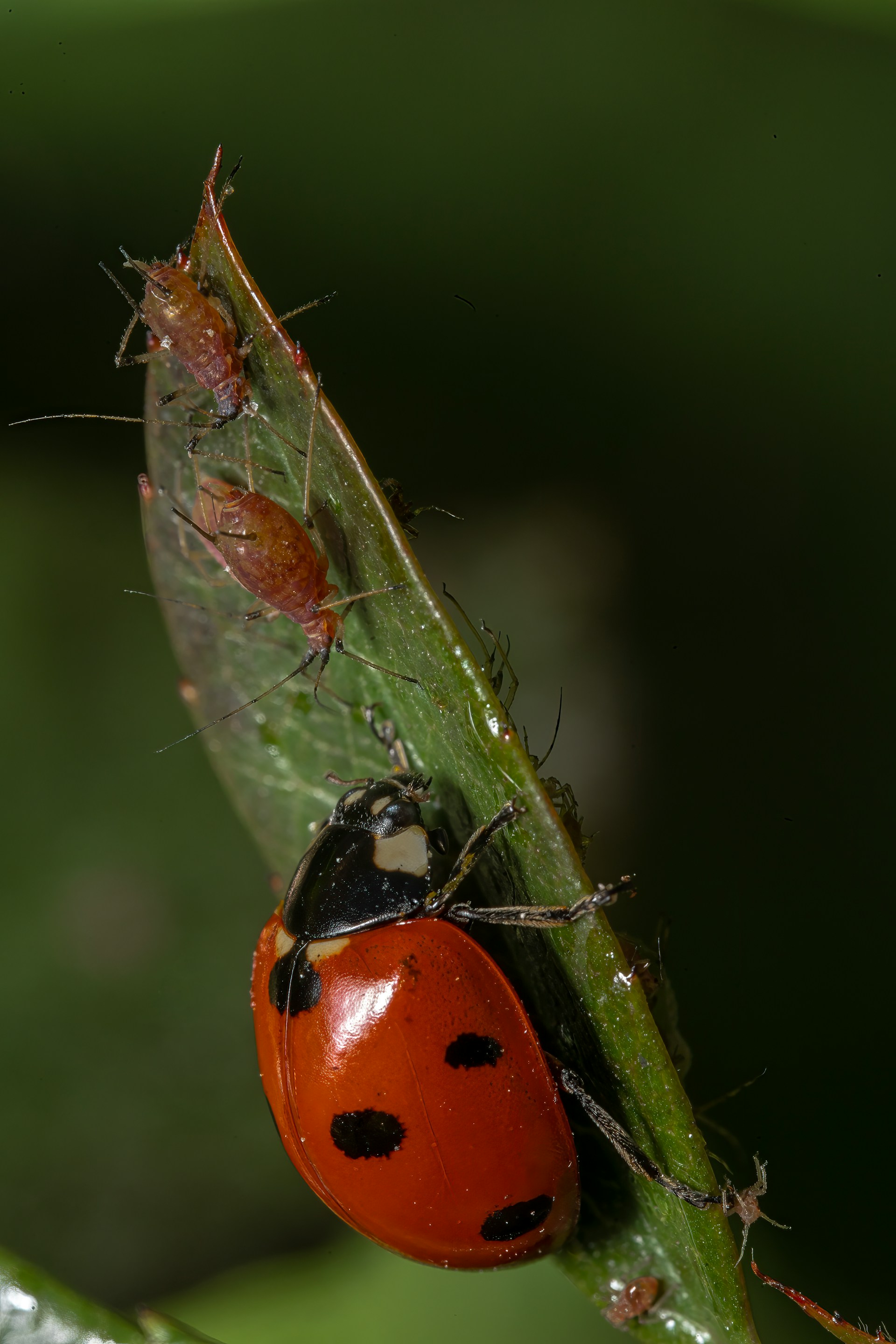 The ASEAN–Australia Asia-Pacific Bioprotection Research Alliance (AABRA) is a regional initiative designed to strengthen our collective ability to anticipate, manage, and mitigate transboundary biosecurity threats.
Why an alliance?
By coordinating research, building capability, and fostering cross-border partnerships, we are strengthening the region's ability to prevent, detect, and respond to biosecurity threats before they take hold. This research alliance will catalyse collaborative action by bringing together regional expertise, resources, and leadership to deliver science-based solutions that are practical, scalable, and regionally aligned.
This work is essential, not only for regional food security and market access, but for the long-term resilience and prosperity of our shared agricultural and ecological systems.
FundedW by the Department of Foreign Affairs and Trade (DFAT) and delivered in partnership between CSIRO and the Department of Agriculture, Fisheries and Forestry (DAFF), AABRA is a virtual Centre of Excellence co-designed with over 101 researchers, policymakers and industry leaders representing 70 organisations across 19 countries in Southeast Asia and the Pacific. It aligns scientific priorities with regional needs, enabling new partnerships, driving innovation and coordinating action on invasive pests, diseases and weeds.
Purpose and principles
At its core, AABRA supports transdisciplinary research, fosters long-term partnerships and builds capability through knowledge exchange, workshops and Communities of Practice. Research priorities are co-designed with regional stakeholders to ensure alignment with real-world challenges and investment is strategically directed to where it's needed most.
AABRA is guided by a set of principles that ensure its work is practical, inclusive and impactful. The program is science-led and demand-driven, with a strong focus on outcomes; from improved diagnostics and surveillance to sustainable pest control solutions such as biocontrol and biopesticides.
A whole-of-government and whole-of-region approach underpins the program. Australian agencies work alongside ASEAN partners to ensure coordination across science, policy and development. Governance is transparent and inclusive, overseen by a multi-agency Steering Committee and informed by a regional Advisory Group.
Research themes
AABRA's themes were co-developed through a rigorous regional prioritisation process involving over 101 experts from 19 countries, and include:
- Emerging and environmental pests, weeds and diseases
- Biopesticides and Biocontrol
- Aquaculture & fisheries
- Agroecology and integrated pest management
- Phytosanitary applications and bioprotection
- Cross-cutting areas include diagnostics and genomics, climate modelling and surveillance, and gender equality and social inclusion.
Our approach
Program governance is overseen by a multi-agency Steering Committee, ensuring transparency and strategic alignment across sectors.
Members include representatives from CSIRO, Australian government (Department of Agriculture, Fisheries and Forestry and Department of Foreign Affairs and Trade) and Australian Centre for International Agricultural Research, reflecting Australia’s commitment to working in partnership with ASEAN Member States.
Get in touch
If you would like more information about the program or would like to collaborate, get in touch with us by emailing aabra@csiro.au
Pests, diseases, and invasive species are growing threats to agriculture, trade, ecosystems, and livelihoods across Southeast Asia and the Pacific. Their impacts are amplified by global trade, climate change, and limited coordination across national borders.
No single country can manage these challenges alone.
The ASEAN–Australia Asia-Pacific Bioprotection Research Alliance (AABRA) is a regional initiative designed to strengthen our collective ability to anticipate, manage, and mitigate transboundary biosecurity threats.
Why an alliance?
By coordinating research, building capability, and fostering cross-border partnerships, we are strengthening the region's ability to prevent, detect, and respond to biosecurity threats before they take hold. This research alliance will catalyse collaborative action by bringing together regional expertise, resources, and leadership to deliver science-based solutions that are practical, scalable, and regionally aligned.
This work is essential, not only for regional food security and market access, but for the long-term resilience and prosperity of our shared agricultural and ecological systems.
FundedW by the Department of Foreign Affairs and Trade (DFAT) and delivered in partnership between CSIRO and the Department of Agriculture, Fisheries and Forestry (DAFF), AABRA is a virtual Centre of Excellence co-designed with over 101 researchers, policymakers and industry leaders representing 70 organisations across 19 countries in Southeast Asia and the Pacific. It aligns scientific priorities with regional needs, enabling new partnerships, driving innovation and coordinating action on invasive pests, diseases and weeds.
Purpose and principles
At its core, AABRA supports transdisciplinary research, fosters long-term partnerships and builds capability through knowledge exchange, workshops and Communities of Practice. Research priorities are co-designed with regional stakeholders to ensure alignment with real-world challenges and investment is strategically directed to where it's needed most.
AABRA is guided by a set of principles that ensure its work is practical, inclusive and impactful. The program is science-led and demand-driven, with a strong focus on outcomes; from improved diagnostics and surveillance to sustainable pest control solutions such as biocontrol and biopesticides.
A whole-of-government and whole-of-region approach underpins the program. Australian agencies work alongside ASEAN partners to ensure coordination across science, policy and development. Governance is transparent and inclusive, overseen by a multi-agency Steering Committee and informed by a regional Advisory Group.
Research themes
AABRA's themes were co-developed through a rigorous regional prioritisation process involving over 101 experts from 19 countries, and include:
- Emerging and environmental pests, weeds and diseases
- Biopesticides and Biocontrol
- Aquaculture & fisheries
- Agroecology and integrated pest management
- Phytosanitary applications and bioprotection
- Cross-cutting areas include diagnostics and genomics, climate modelling and surveillance, and gender equality and social inclusion.
Our approach
Program governance is overseen by a multi-agency Steering Committee, ensuring transparency and strategic alignment across sectors.
Members include representatives from CSIRO, Australian government (Department of Agriculture, Fisheries and Forestry and Department of Foreign Affairs and Trade) and Australian Centre for International Agricultural Research, reflecting Australia’s commitment to working in partnership with ASEAN Member States.
Get in touch
If you would like more information about the program or would like to collaborate, get in touch with us by emailing aabra@csiro.au