
Key points
- The Manufacturing Excellence Forum is a regional organisation building advanced-manufacturing capability across the Sunshine Coast, Moreton Bay and Noosa.
- Through the Queensland Government-funded Regional University Industry Collaboration program delivered by CSIRO, the MEF worked with the University of the Sunshine Coast to assess whether Australia could rebuild local manufacturing of the bare circuit boards almost all electronics depend on.
- The work builds an evidence base for a deeper feasibility study, a first step toward publishing sovereign capability in a piece of technology the country currently imports almost entirely.
The Manufacturing Excellence Forum (MEF) wanted to know whether Australia could start making its own printed circuit boards again.
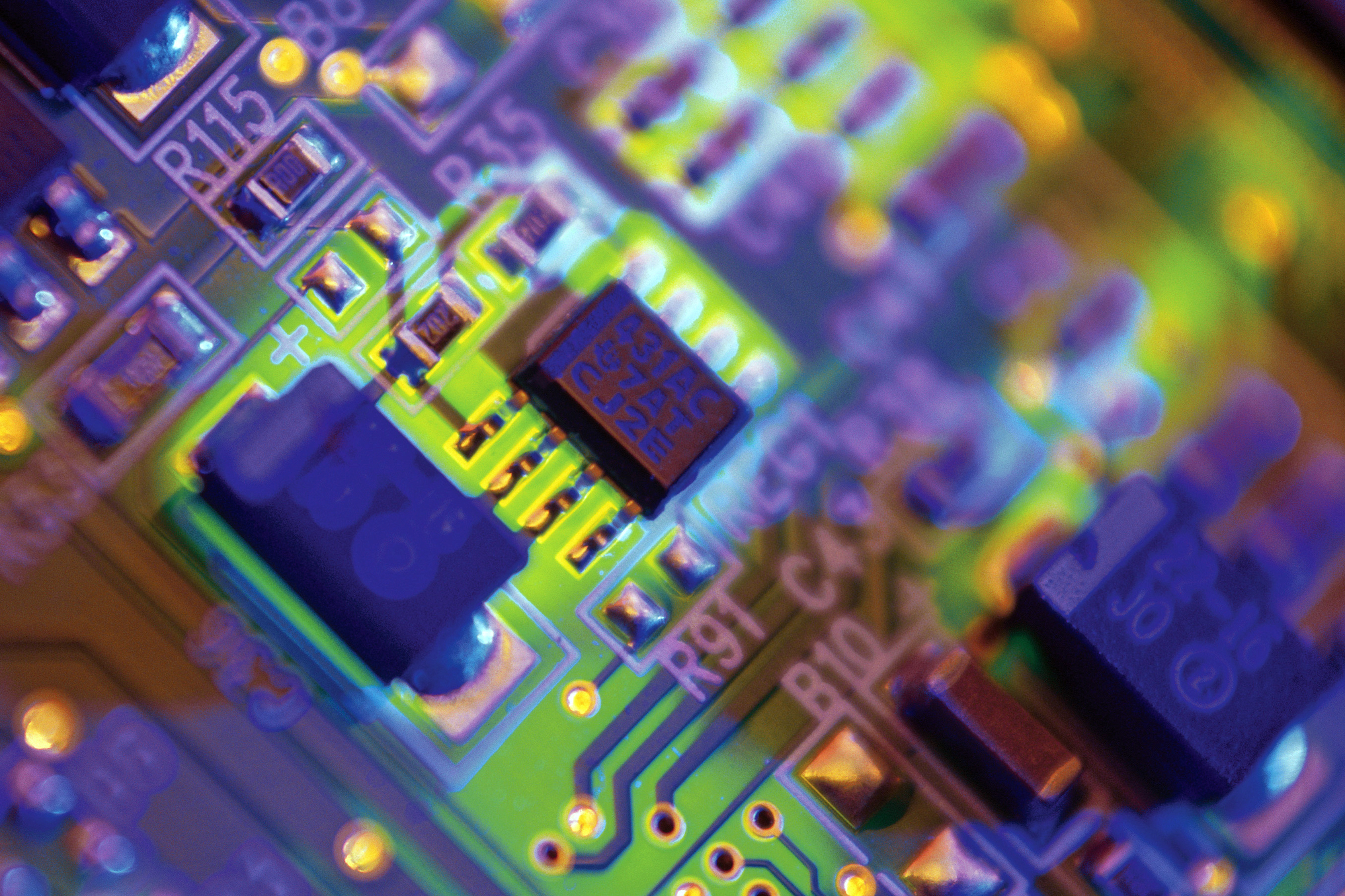
Printed circuit boards (PCBs) sit inside nearly everything electronic, from phones and cars to hospital equipment and aircraft. Australian companies design plenty of them, but almost all of the bare boards (the boards before any components are attached) are made overseas. If supply were disrupted, industries from energy to defence would have little to fall back on.
A regional organisation takes on a national question
The MEF is a regional organisation building advanced-manufacturing capability across the Sunshine Coast, Moreton Bay and Noosa. Rebuilding PCB manufacturing capacity in Australia is a big question for an organisation of its size to take on, and not one it could answer alone. Building the case would take genuine research: real evidence from the manufacturers and buyers who depend on these boards, not assumptions.
Research within reach
The Regional University Industry Collaboration (RUIC) program is funded by the Queensland Government and delivered by CSIRO. It connects regional universities and small to medium businesses to drive research partnerships across Queensland, with dollar matched funding to support collaborative projects.
Through RUIC, the MEF partnered with the University of the Sunshine Coast (UniSC) Business School on a preliminary feasibility assessment, examining whether there is a credible case to rebuild local PCB manufacturing capacity in the region.
RUIC Senior Facilitator Mrs Malaika Ingram said that some of the most valuable questions industry wants to ask are oftentimes too large for one business to research on its own. “RUIC is here to change that – to give businesses a way into the research capability our universities hold, so a question about national manufacturing can be tested properly rather than left as a hunch,” Malaika said.
Hearing from industry
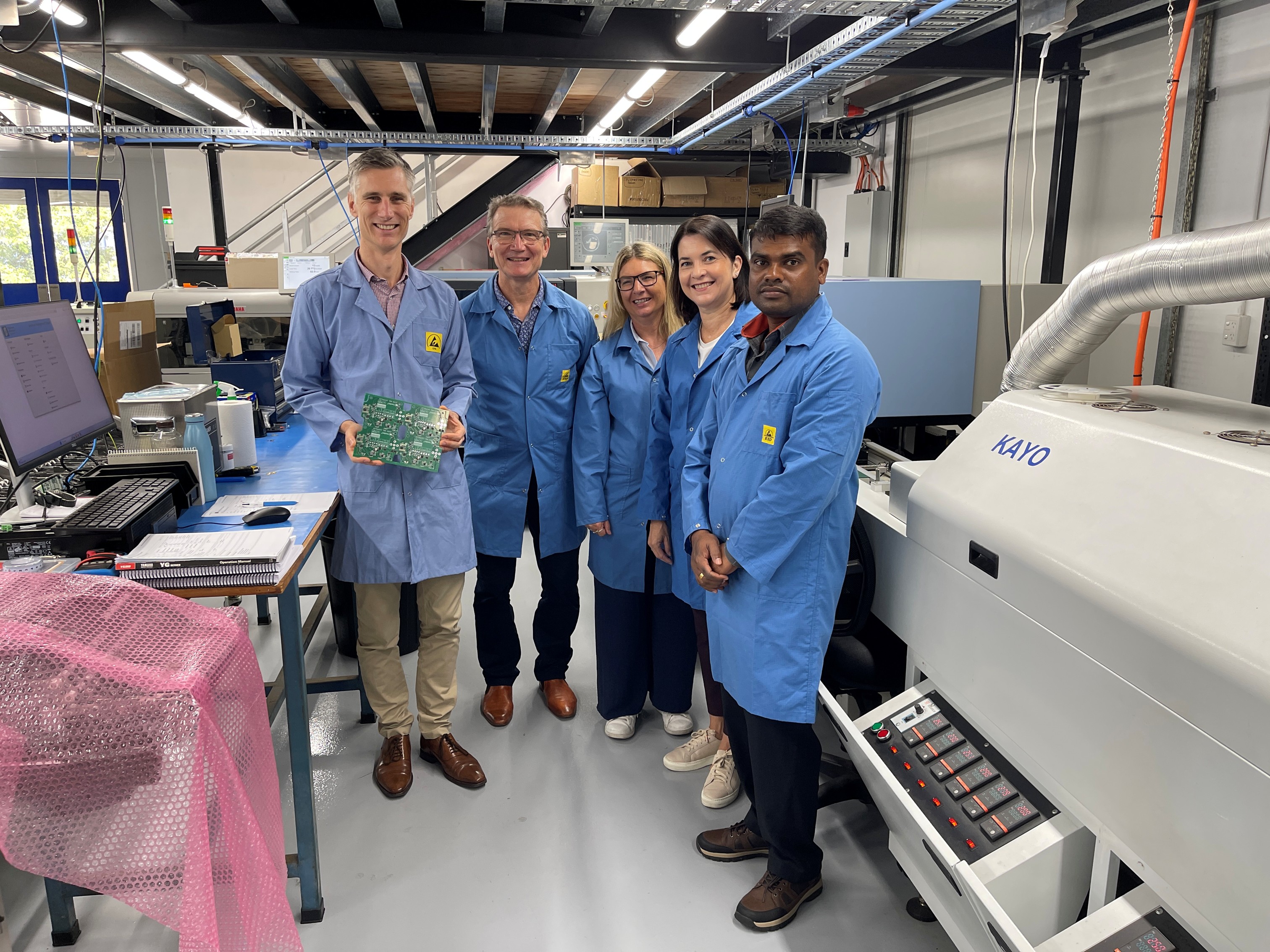
Associate Professor Retha Scheepers of the UnisSC Business School led the primary research, interviewing and surveying Australian manufacturers and buyers directly. UniSC Associate Lecturer of Economics, Dr Raffaella Belloni led the secondary market and trade-data analysis.
The research examined three things:
- Australian PCB market demand and supply-chain exposure
- the manufacturing processes and production economics of making bare boards
- the regional capability across Moreton Bay, the Sunshine Coast and Noosa to support it.
Dr Belloni said bringing the industry interviews and market data together is what set the work apart. “We are hearing from Australian and international manufacturers and buyers, rather than a desktop study and that distinction is what gives the findings credibility with government and industry alike,” Dr Belloni said.
“Working with the MEF was valuable because it gave us direct access to manufacturers and users across the supply chain, allowing us to identify the market opportunity as well as the capability, skills and supply-chain gaps that would need to be addressed if Australia is to rebuild this manufacturing capability,” she said.
What the preliminary findings show
- Industry experiences supply-chain vulnerability: Companies using PCBs in their products, or for products manufactured for their business customers, described dependence on offshore fabrication, long and variable lead times, and limited alternatives when supply is disrupted.
- There is Australian capability, but it is fragmented and limited in scale and technical breadth. Existing Australian capability is not concentrated in a specific place, and while Australia has some PCB knowledge, this does not cover the range, volume and advanced specifications required by specialist demand in industries such as defence and telecommunications.
- Industry demand is not simply about buying an Australian-made board. Companies that use PCBs emphasised the importance of quality, reliability, technical capability, lead times and price. Sovereign/local supply is valued, particularly for sensitive and strategically important applications, but a domestic facility would still have to be commercially and technically credible.
- Capability development extends beyond the factory itself. The interviews highlighted skills, specialist expertise, equipment, certification/quality requirements, supply-chain relationships and workforce development as important parts of rebuilding PCB manufacturing capability. In other words, this is an ecosystem/capability question, not simply a question of purchasing machinery.
This case study will be updated with a link to the final report once it is published.
A first step, not the answer
“Printed circuit boards underpin virtually all modern technology, yet Australia has almost no capacity to make them – we import in the order of $86 million of bare boards a year. Working with UniSC through RUIC is giving us the evidence base to take this from a concern towards a credible national case,” said MEF CEO Tim Kelly.
The immediate goal is to make the case for a deeper study, one that would work through the detailed costs, decide where in the region the facility could sit, and set out what capabilities it would need.
As government and industry look to increase sovereign capability, the question of who supplies the components underneath modern industry, circuit boards among them, has moved up the national agenda.
Learn how RUIC can support your business.
Acknowledgment
PCB Connect was delivered by The MEF with the University of the Sunshine Coast, supported by RDA Moreton Bay & Sunshine Coast, with specialist PCB manufacturing input from Armin Consulting.
Key points
- The Manufacturing Excellence Forum is a regional organisation building advanced-manufacturing capability across the Sunshine Coast, Moreton Bay and Noosa.
- Through the Queensland Government-funded Regional University Industry Collaboration program delivered by CSIRO, the MEF worked with the University of the Sunshine Coast to assess whether Australia could rebuild local manufacturing of the bare circuit boards almost all electronics depend on.
- The work builds an evidence base for a deeper feasibility study, a first step toward publishing sovereign capability in a piece of technology the country currently imports almost entirely.
The Manufacturing Excellence Forum (MEF) wanted to know whether Australia could start making its own printed circuit boards again.
Printed circuit boards (PCBs) sit inside nearly everything electronic, from phones and cars to hospital equipment and aircraft. Australian companies design plenty of them, but almost all of the bare boards (the boards before any components are attached) are made overseas. If supply were disrupted, industries from energy to defence would have little to fall back on.
A regional organisation takes on a national question
The MEF is a regional organisation building advanced-manufacturing capability across the Sunshine Coast, Moreton Bay and Noosa. Rebuilding PCB manufacturing capacity in Australia is a big question for an organisation of its size to take on, and not one it could answer alone. Building the case would take genuine research: real evidence from the manufacturers and buyers who depend on these boards, not assumptions.
Research within reach
The Regional University Industry Collaboration (RUIC) program is funded by the Queensland Government and delivered by CSIRO. It connects regional universities and small to medium businesses to drive research partnerships across Queensland, with dollar matched funding to support collaborative projects.
Through RUIC, the MEF partnered with the University of the Sunshine Coast (UniSC) Business School on a preliminary feasibility assessment, examining whether there is a credible case to rebuild local PCB manufacturing capacity in the region.
RUIC Senior Facilitator Mrs Malaika Ingram said that some of the most valuable questions industry wants to ask are oftentimes too large for one business to research on its own. “RUIC is here to change that – to give businesses a way into the research capability our universities hold, so a question about national manufacturing can be tested properly rather than left as a hunch,” Malaika said.
Hearing from industry
Associate Professor Retha Scheepers of the UnisSC Business School led the primary research, interviewing and surveying Australian manufacturers and buyers directly. UniSC Associate Lecturer of Economics, Dr Raffaella Belloni led the secondary market and trade-data analysis.
The research examined three things:
- Australian PCB market demand and supply-chain exposure
- the manufacturing processes and production economics of making bare boards
- the regional capability across Moreton Bay, the Sunshine Coast and Noosa to support it.
Dr Belloni said bringing the industry interviews and market data together is what set the work apart. “We are hearing from Australian and international manufacturers and buyers, rather than a desktop study and that distinction is what gives the findings credibility with government and industry alike,” Dr Belloni said.
“Working with the MEF was valuable because it gave us direct access to manufacturers and users across the supply chain, allowing us to identify the market opportunity as well as the capability, skills and supply-chain gaps that would need to be addressed if Australia is to rebuild this manufacturing capability,” she said.
What the preliminary findings show
- Industry experiences supply-chain vulnerability: Companies using PCBs in their products, or for products manufactured for their business customers, described dependence on offshore fabrication, long and variable lead times, and limited alternatives when supply is disrupted.
- There is Australian capability, but it is fragmented and limited in scale and technical breadth. Existing Australian capability is not concentrated in a specific place, and while Australia has some PCB knowledge, this does not cover the range, volume and advanced specifications required by specialist demand in industries such as defence and telecommunications.
- Industry demand is not simply about buying an Australian-made board. Companies that use PCBs emphasised the importance of quality, reliability, technical capability, lead times and price. Sovereign/local supply is valued, particularly for sensitive and strategically important applications, but a domestic facility would still have to be commercially and technically credible.
- Capability development extends beyond the factory itself. The interviews highlighted skills, specialist expertise, equipment, certification/quality requirements, supply-chain relationships and workforce development as important parts of rebuilding PCB manufacturing capability. In other words, this is an ecosystem/capability question, not simply a question of purchasing machinery.
This case study will be updated with a link to the final report once it is published.
A first step, not the answer
“Printed circuit boards underpin virtually all modern technology, yet Australia has almost no capacity to make them – we import in the order of $86 million of bare boards a year. Working with UniSC through RUIC is giving us the evidence base to take this from a concern towards a credible national case,” said MEF CEO Tim Kelly.
The immediate goal is to make the case for a deeper study, one that would work through the detailed costs, decide where in the region the facility could sit, and set out what capabilities it would need.
As government and industry look to increase sovereign capability, the question of who supplies the components underneath modern industry, circuit boards among them, has moved up the national agenda.
Learn how RUIC can support your business.
Acknowledgment
PCB Connect was delivered by The MEF with the University of the Sunshine Coast, supported by RDA Moreton Bay & Sunshine Coast, with specialist PCB manufacturing input from Armin Consulting.