
About
The stories of groundwater at Dharriwaa (Narran Lakes) tell us that the Yuwaalaraay people knew not only where to find permanent water sources, but also that there was a massive interlinked underground source of water (that we now call the Great Artesian Basin). But how does the water get there? For this topic, students in Years 5-8 will explore how water moves, shapes, and sustains Country, through contextualised case studies, Dreaming stories and hands-on investigations. Teachers and students will learn how to apply the Indigenous Research Methodology (IRM) to explore groundwater, where water goes and how it shapes the environment at your school. Using the teacher guide, classroom presentation and student workbook, teachers can confidently deliver meaningful, place‑based science education grounded in Indigenous knowledge systems.
The Indigenous Research Methodology resource collection was funded by and created in collaboration with the Drought Resilience Research team, Professor Bradley Moggridge from the University of Technology Sydney and the Narran Lakes Aboriginal Joint Management Committee.
Before you start
Respecting Indigenous Cultural and Intellectual Property
Please note that Indigenous Cultural and Intellectual Property (ICIP) is embedded within these Indigenous Science, Technology, Engineering and Mathematics (‘STEM’) Education Resources (the ‘Resources’). ICIP includes the knowledge and cultural heritage of Indigenous people, such as artwork, music, stories, language, and cultural objects and practices. For further information about how CSIRO protects ICIP, see Indigenous Cultural and Intellectual Property Principles - CSIRO.
Use of ICIP for educational outreach only
These Resources are for high school educators or secondary school students to support Indigenous STEM. These Resources have been published with the permission of the ICIP owners and with certain conditions on their use. This is to assert the ownership, authority and control of the ICIP owners over their ICIP and associated rights as embedded in the United Nations Declaration on the Rights of Indigenous Peoples (UNDRIP) – Article 31
Cultural Considerations
An eLearning course designed to guide educators and STEM professionals in building inclusive learning environments through cultural awareness and community engagement.
Teacher guide
Teacher guide
The IRM Water teacher guide provides educators with background knowledge, classroom discussion prompts, structured activity steps and safety considerations that frame two scientific water investigations. It outlines each IRM stage in detail while explicitly linking these stages to the corresponding slides in the classroom presentation and the associated pages in the Student Workbook.
Student and teacher resources
Classroom presentation
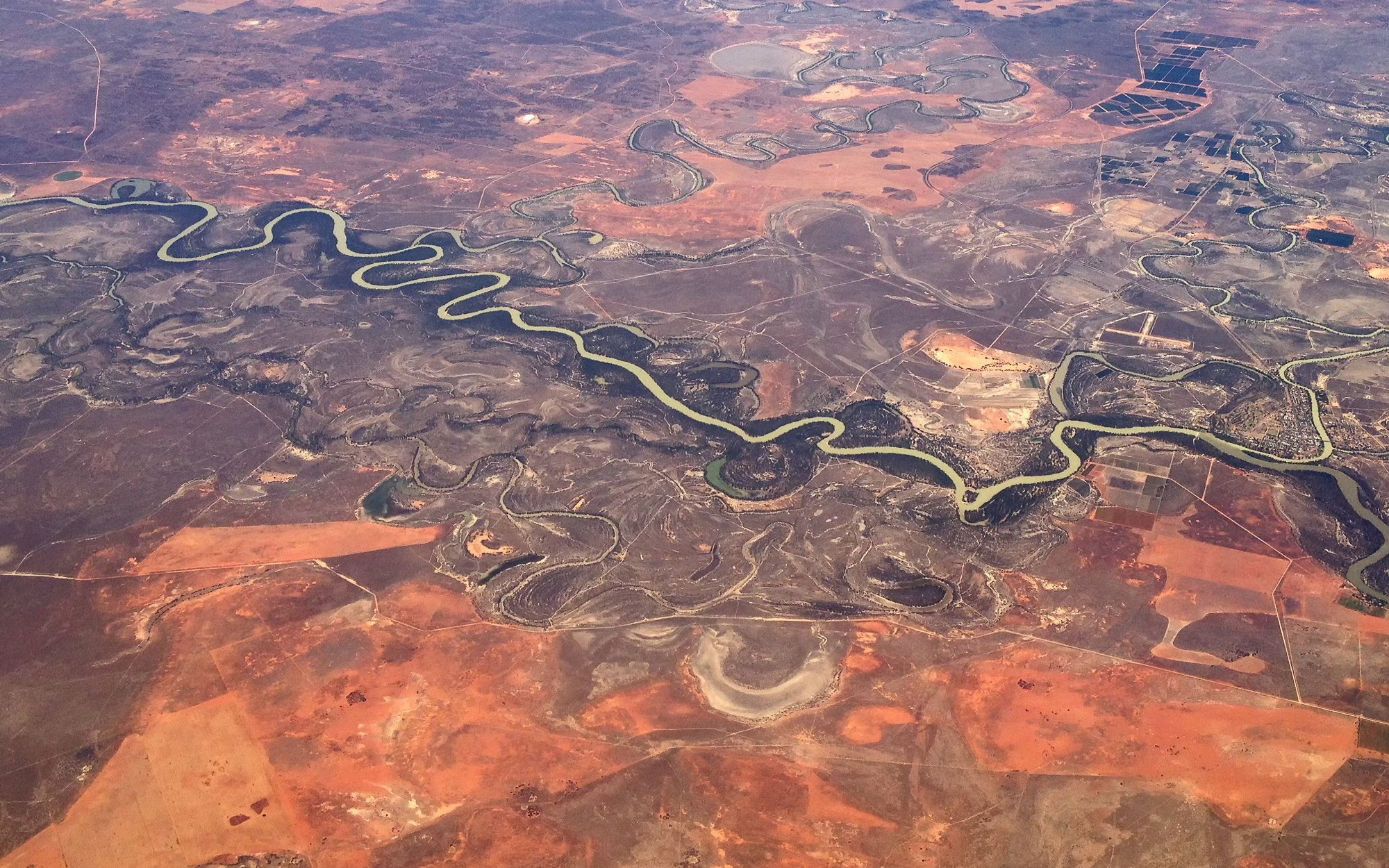
This classroom-ready presentation introduces students to the IRM and guides them through two scientific investigations that explore water and groundwater in the environment. Through On-Country observations, Dreaming stories, discussion prompts and reflection tasks, students will develop evidence‑based explanations for how water shapes their local environment and deepen their understanding of Aboriginal and Torres Strait Islander knowledge systems. Use it in your classroom to lesson plan, explore key ideas and initiate the investigations.
Classroom presentation PowerPoint
Student workbook
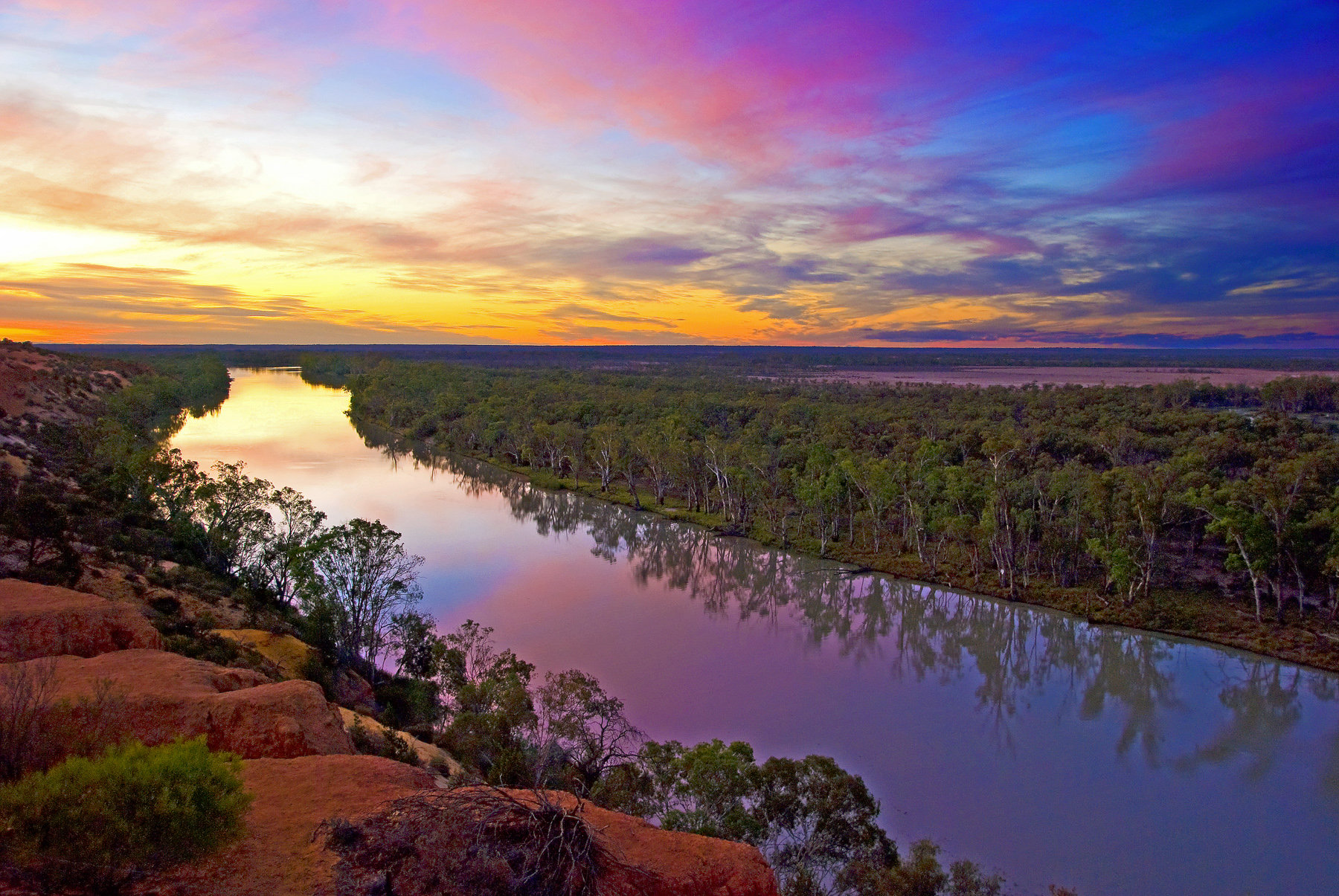
The student workbook guides students through the stages of the IRM, how to complete two field investigations, recording observations, and reflecting on their findings. Everything you need is built-in, including planners, investigation templates, testing procedures, reflection prompts, and engaging hands‑on activities.
The student worksheets have been designed for printing.
Student workbook - accessible version
About
The stories of groundwater at Dharriwaa (Narran Lakes) tell us that the Yuwaalaraay people knew not only where to find permanent water sources, but also that there was a massive interlinked underground source of water (that we now call the Great Artesian Basin). But how does the water get there? For this topic, students in Years 5-8 will explore how water moves, shapes, and sustains Country, through contextualised case studies, Dreaming stories and hands-on investigations. Teachers and students will learn how to apply the Indigenous Research Methodology (IRM) to explore groundwater, where water goes and how it shapes the environment at your school. Using the teacher guide, classroom presentation and student workbook, teachers can confidently deliver meaningful, place‑based science education grounded in Indigenous knowledge systems.
The Indigenous Research Methodology resource collection was funded by and created in collaboration with the Drought Resilience Research team, Professor Bradley Moggridge from the University of Technology Sydney and the Narran Lakes Aboriginal Joint Management Committee.
Before you start
Respecting Indigenous Cultural and Intellectual Property
Please note that Indigenous Cultural and Intellectual Property (ICIP) is embedded within these Indigenous Science, Technology, Engineering and Mathematics (‘STEM’) Education Resources (the ‘Resources’). ICIP includes the knowledge and cultural heritage of Indigenous people, such as artwork, music, stories, language, and cultural objects and practices. For further information about how CSIRO protects ICIP, see Indigenous Cultural and Intellectual Property Principles - CSIRO.
Use of ICIP for educational outreach only
These Resources are for high school educators or secondary school students to support Indigenous STEM. These Resources have been published with the permission of the ICIP owners and with certain conditions on their use. This is to assert the ownership, authority and control of the ICIP owners over their ICIP and associated rights as embedded in the United Nations Declaration on the Rights of Indigenous Peoples (UNDRIP) – Article 31
Cultural Considerations
An eLearning course designed to guide educators and STEM professionals in building inclusive learning environments through cultural awareness and community engagement.
Cultural Considerations eLearn Module [Link will open in a new window]
Teacher guide
Teacher guide
The IRM Water teacher guide provides educators with background knowledge, classroom discussion prompts, structured activity steps and safety considerations that frame two scientific water investigations. It outlines each IRM stage in detail while explicitly linking these stages to the corresponding slides in the classroom presentation and the associated pages in the Student Workbook.
Student and teacher resources
Classroom presentation
This classroom-ready presentation introduces students to the IRM and guides them through two scientific investigations that explore water and groundwater in the environment. Through On-Country observations, Dreaming stories, discussion prompts and reflection tasks, students will develop evidence‑based explanations for how water shapes their local environment and deepen their understanding of Aboriginal and Torres Strait Islander knowledge systems. Use it in your classroom to lesson plan, explore key ideas and initiate the investigations.
Classroom presentation PowerPoint PPTX (247 MB)
Student workbook
The student workbook guides students through the stages of the IRM, how to complete two field investigations, recording observations, and reflecting on their findings. Everything you need is built-in, including planners, investigation templates, testing procedures, reflection prompts, and engaging hands‑on activities.
The student worksheets have been designed for printing.
Student workbook - accessible version TXT (22 KB)