At the dawn of the new year, a team of researchers set out from Hobart on a voyage of discovery to the Cook Ice Shelf, a globally significant but poorly studied region in East Antarctica.
Their aim: to better understand past changes in the marine region in this area and predict how climate change will impact it in the future.
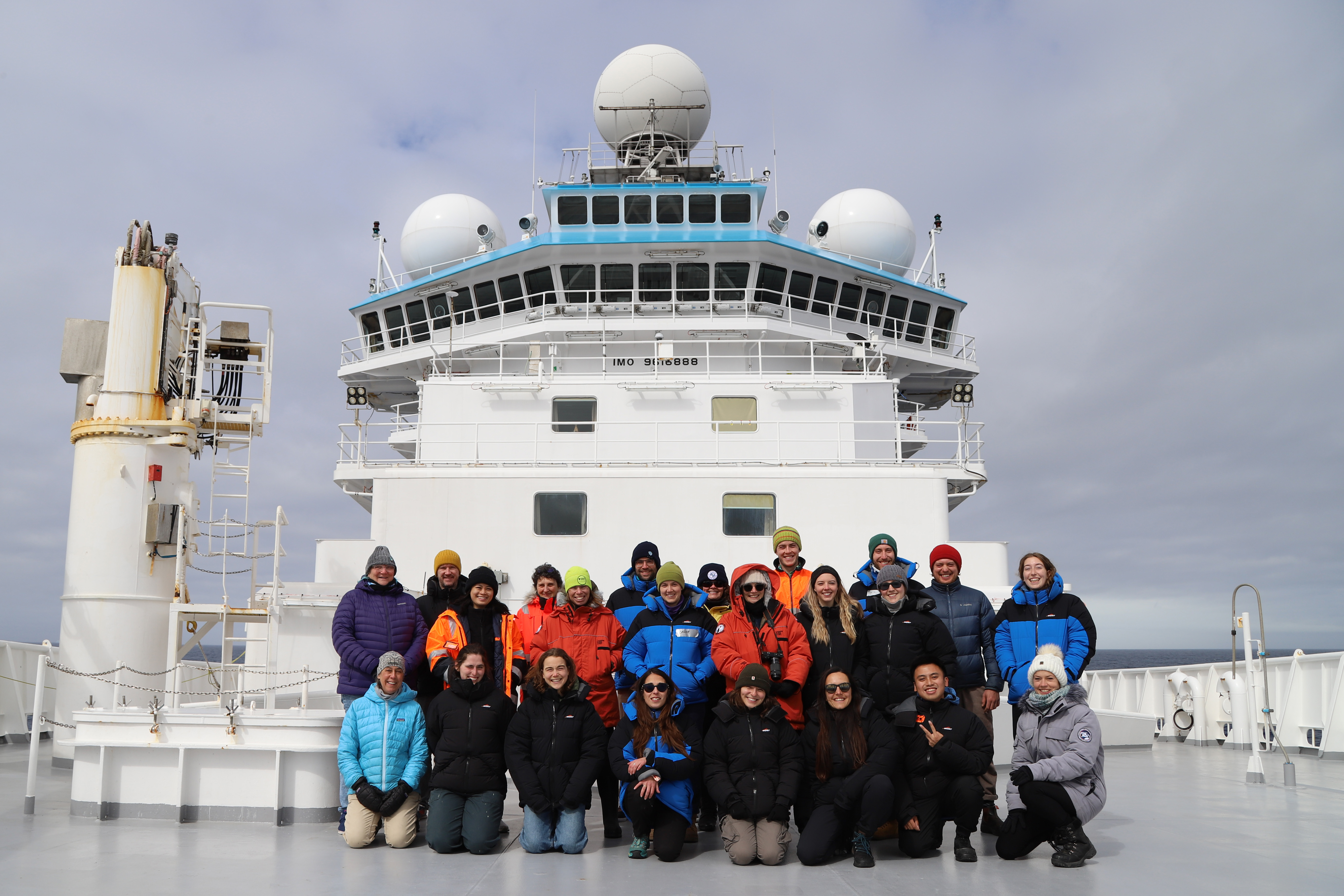
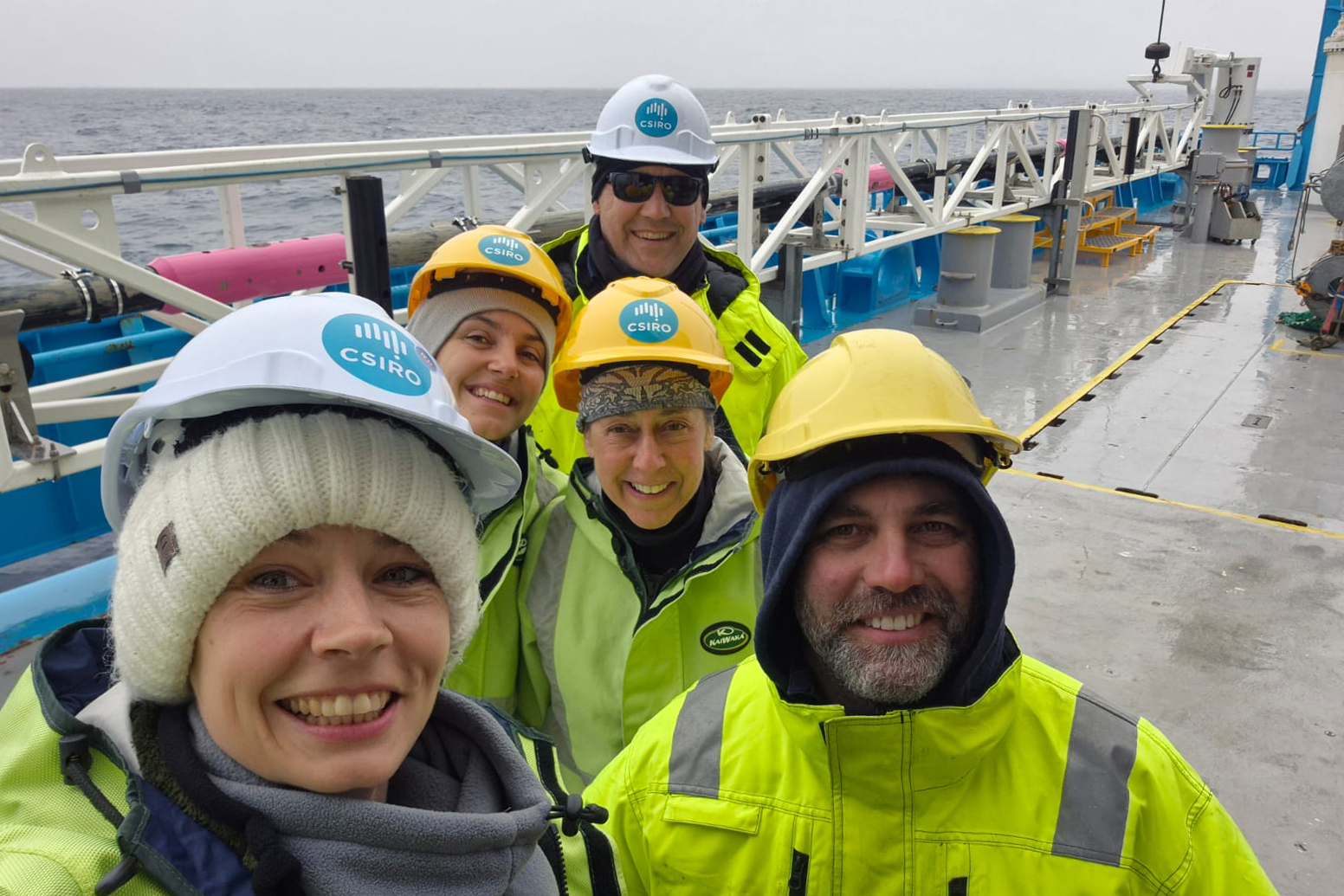
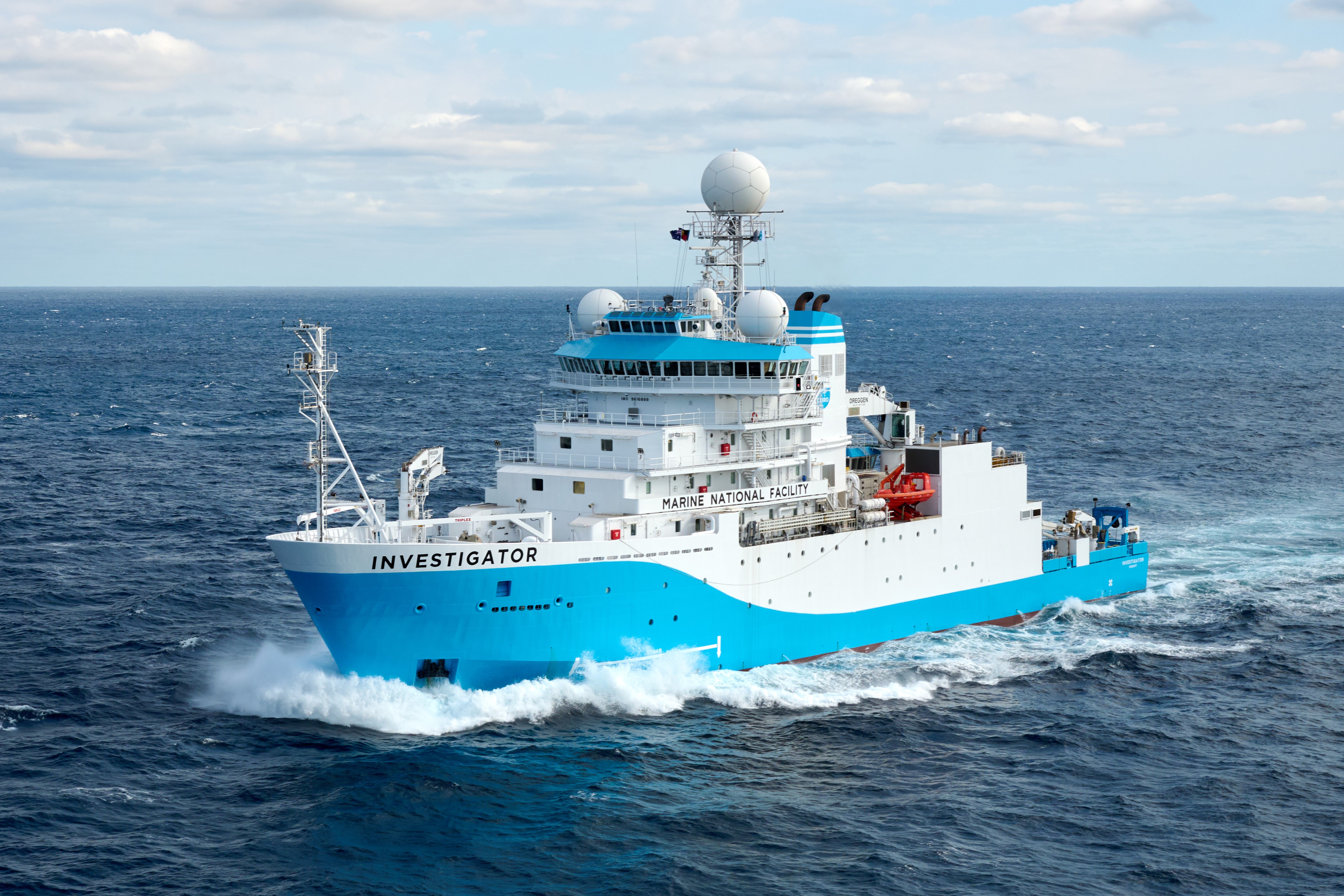
Led by scientists from the University of Tasmania’s Institute for Marine and Antarctic Studies (IMAS), the multinational team of 58 researchers and crew are on a landmark 56-day research voyage onboard CSIRO research vessel (RV) Investigator.
The research team has travelled more than 3,000 kilometres from Hobart to East Antarctica, where they are now collecting sediments from the seafloor, mapping the seabed, sampling the ocean and studying the marine biodiversity of the region, both past and present.
“We are investigating the region’s ice-sheet stability and ocean evolution, and how it has impacted marine ecosystem functions over the last one million years,” said Cook Ice Ecosystems and Sediments (COOKIES) voyage Chief Scientist and IMAS researcher, Dr Linda Armbrecht.
“Recent modelling suggests that the Cook Ice Shelf is especially vulnerable to climate change, with considerable ice mass loss projected to occur over the next 200 years. Yet there is a complete lack of oceanographic, bathymetric, biological and palaeo-data from this region.
“The research data we collect will generate long-term and contemporary baselines that are vital to understand and build resilience to the impacts of climate change in a key section of Australia's Antarctic Territory.”
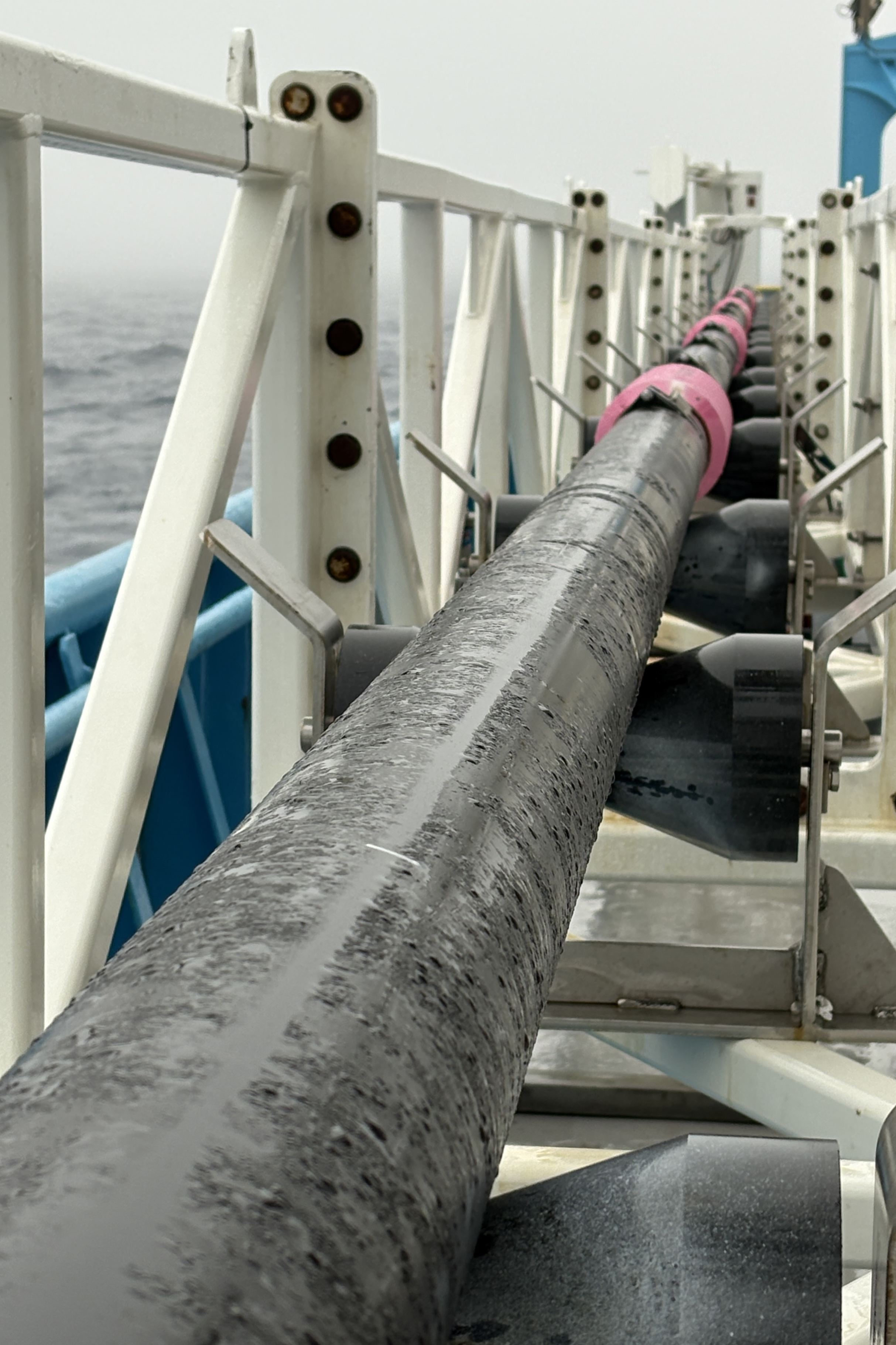
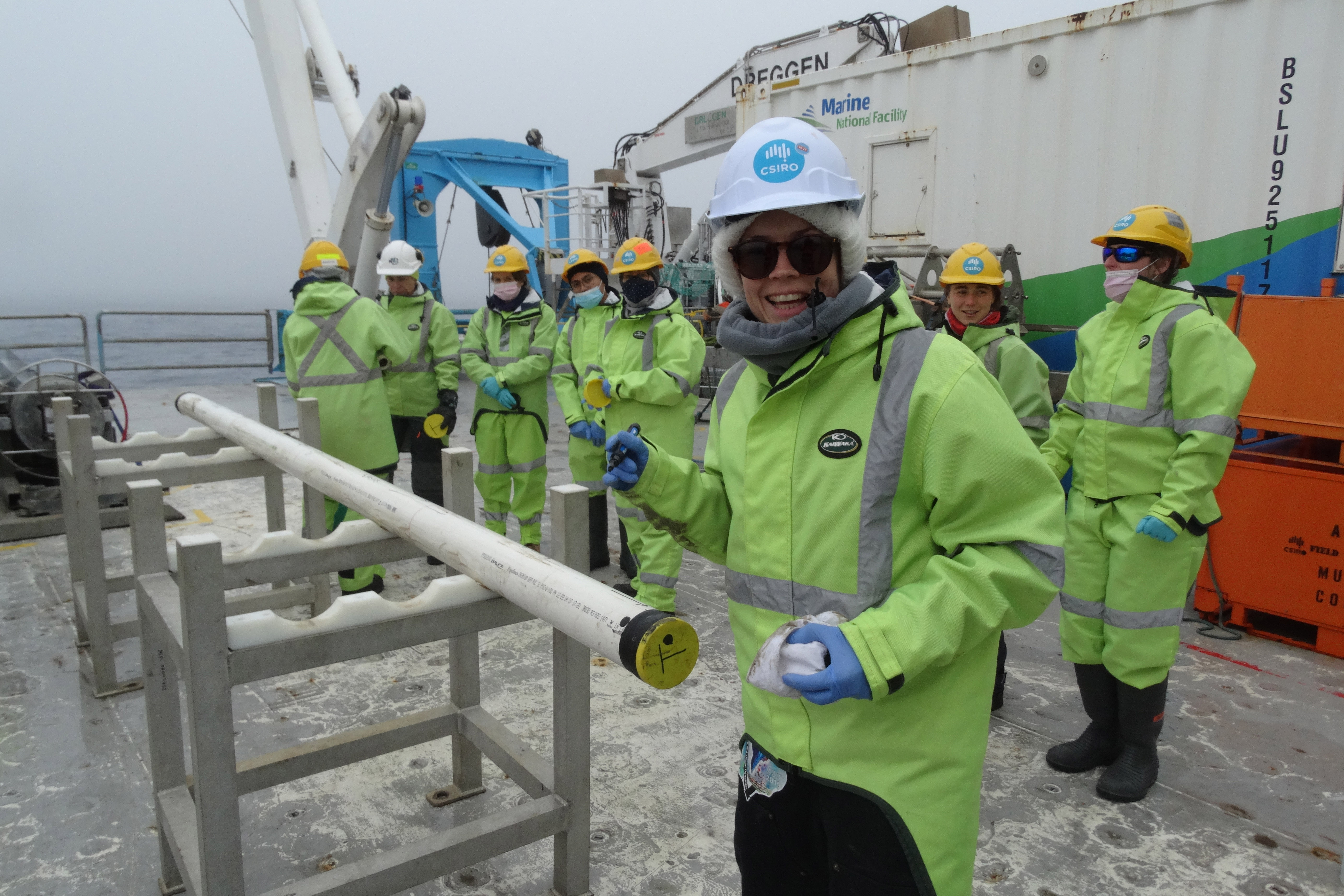
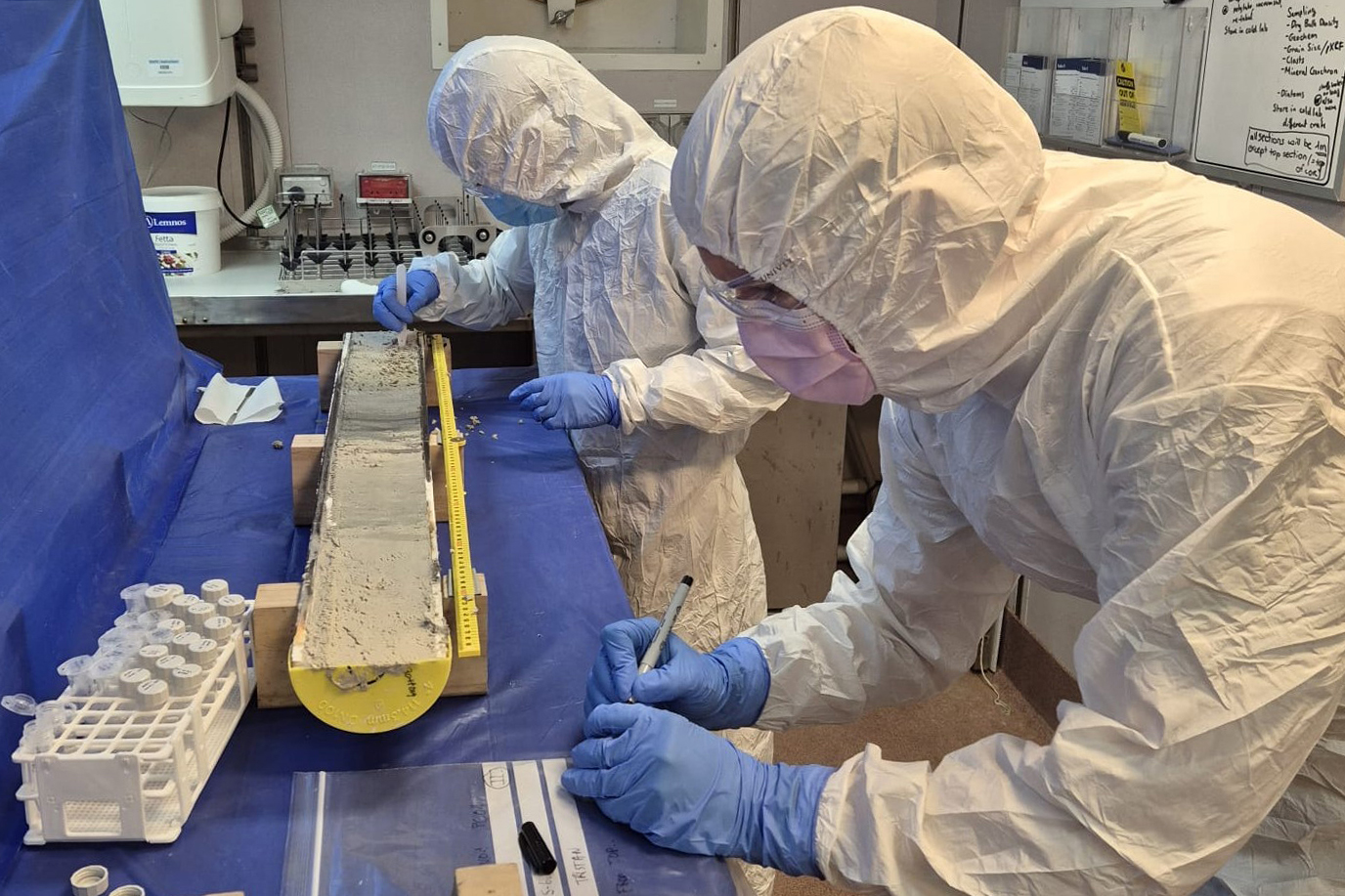
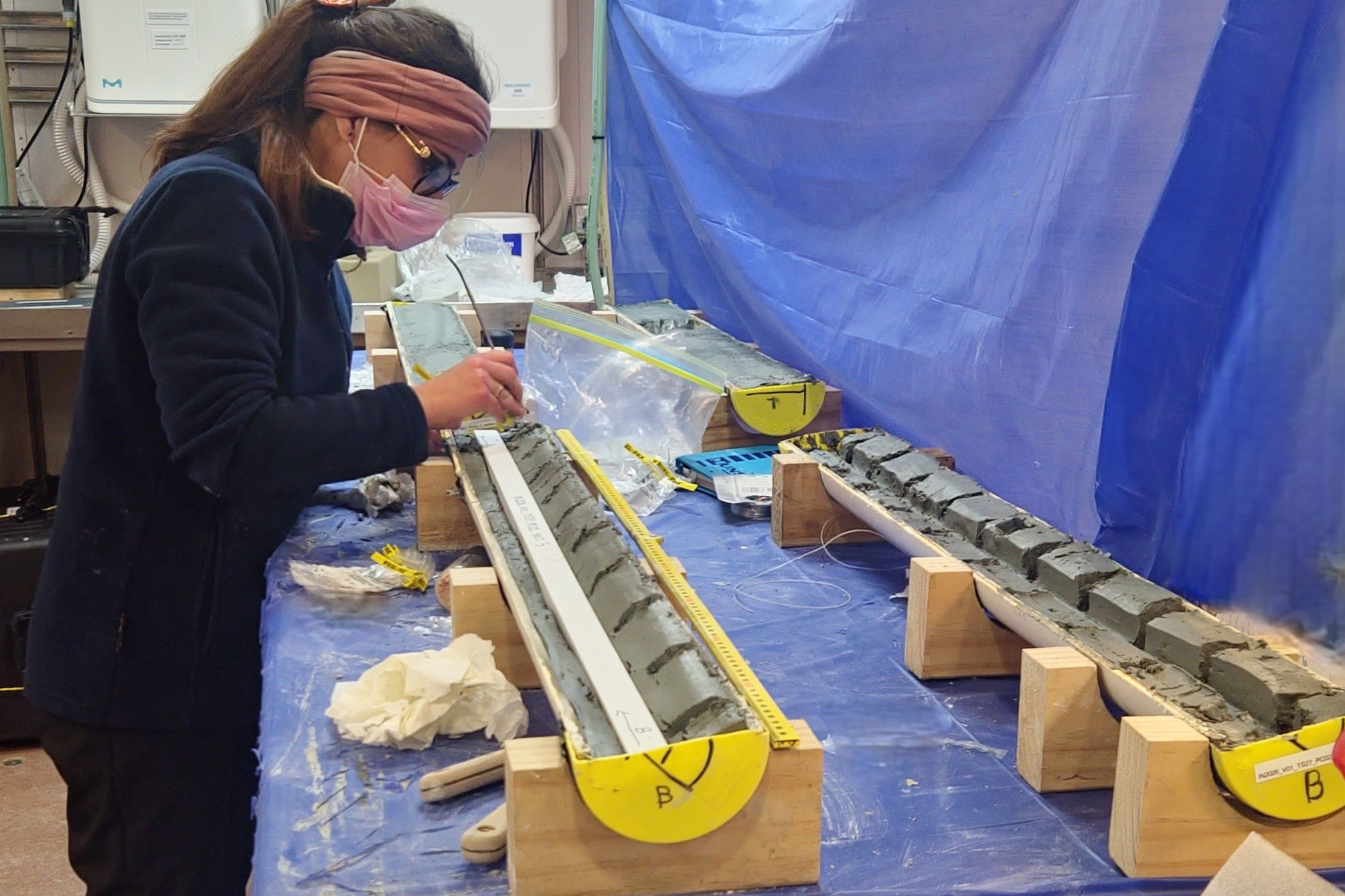
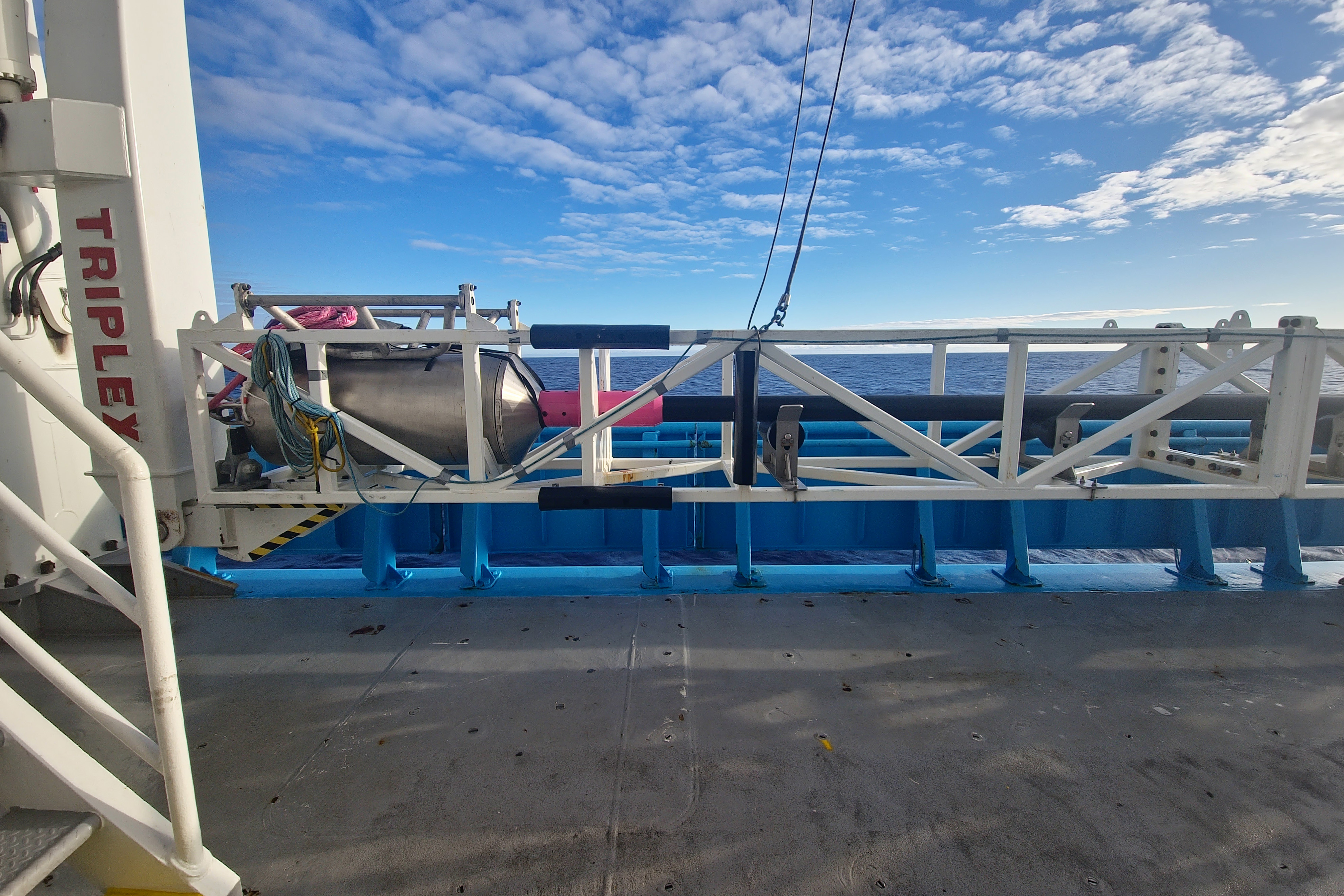
The team are using the suite of RV Investigator’s scientific equipment on the voyage including advanced multibeam echosounders, ocean profiling instruments, deep towed camera and eDNA samplers. They have also been putting the vessel's giant piston coring system to the test to recover massive 20-metre sediment cores from the seafloor many kilometres below them.
Scientists will analyse these sediments for the ancient DNA they contain, to reconstruct previous ocean conditions and ecosystems up to one million years into the past.
Researchers will also deploy ocean-monitoring robotic floats, and use an AI camera system called ‘Jonathan’ to count seabirds during the voyage.
Program Director from the CSIRO Marine National Facility, Andrew Martini, said the voyage is collecting important data to inform evidence-based decision making to protect Antarctica and its ecosystems in response to a warming climate.
“This is RV Investigator’s seventh dedicated Antarctic research voyage and applies the full range of our capabilities, equipment and expertise to collect large quantities of scientific data and samples from a poorly studied region in East Antarctica,” Mr Martini said.
“As Australia’s national science agency, we’re proud to operate the infrastructure to enable these incredible research efforts that bring together multinational teams of experts to address national challenges such as how to protect Australia’s unique environments from the impacts of climate change.”
The research will contribute crucial knowledge to the East Antarctic Marine Ice Sheet Instability (EA-MISI) initiative, which is part of the broader EU-Polarnet project that aims to enhance international research collaboration in polar regions.
“We are excited to be gathering knowledge on this epic voyage that will inform international scientific planning for the conservation and management of Antarctica,” Dr Armbrecht said.
The knowledge generated from the voyage will enhance international efforts to understand and protect Antarctica and its ecosystems, informing global climate models and conservation strategies for decades to come.
This research is supported by a grant of sea time on RV Investigator from the CSIRO Marine National Facility. It will contribute to various collaborative Antarctic research programs and is supported by the Australian Centre of Excellence in Antarctic Science (ACEAS) and Securing Antarctica's Environmental Future (SAEF).