
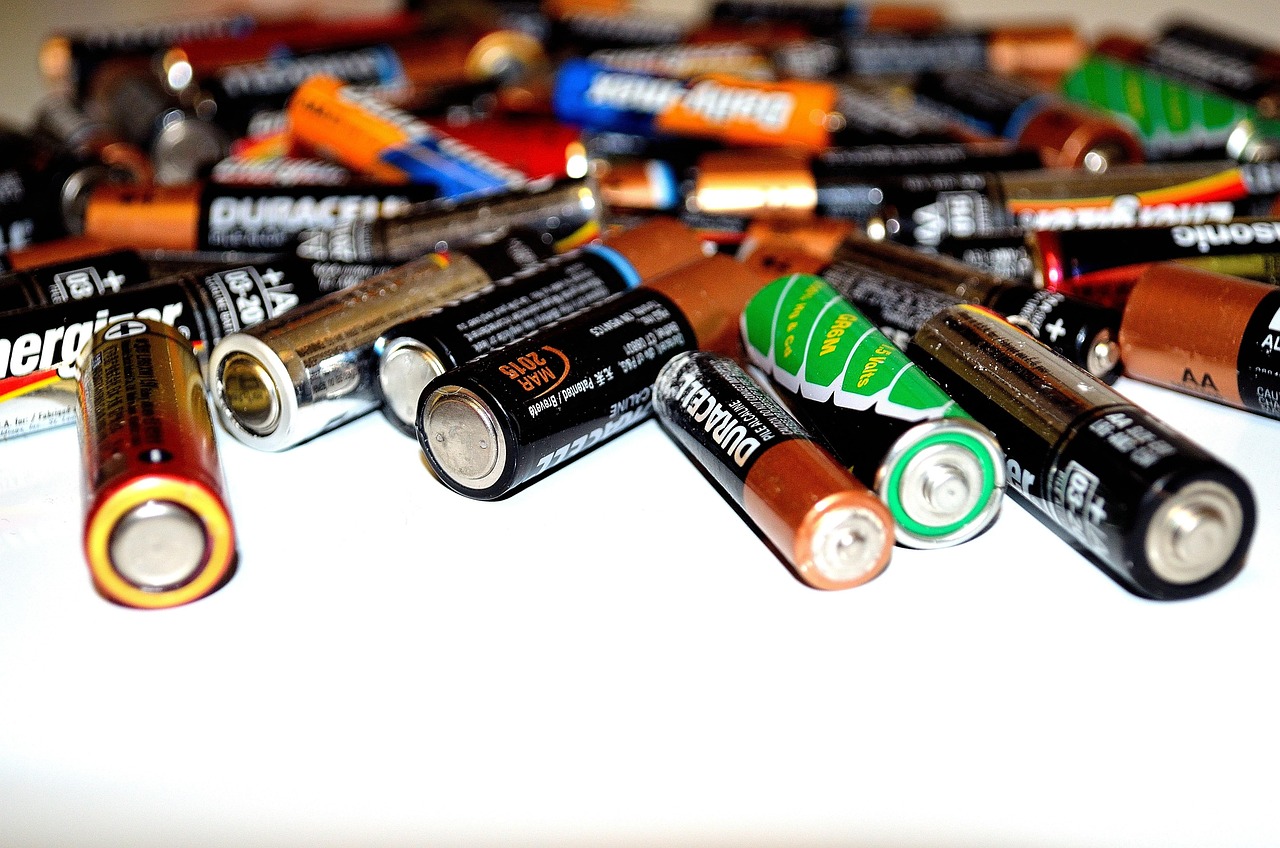
Australia stands on the brink of a significant opportunity in the global battery market, driven by the increasing demand for electric vehicles (EVs) and energy storage systems.
At the heart of this opportunity lies graphite, a critical material for lithium-ion batteries. As the world moves to cleaner energy solutions, graphite is becoming all the more important.
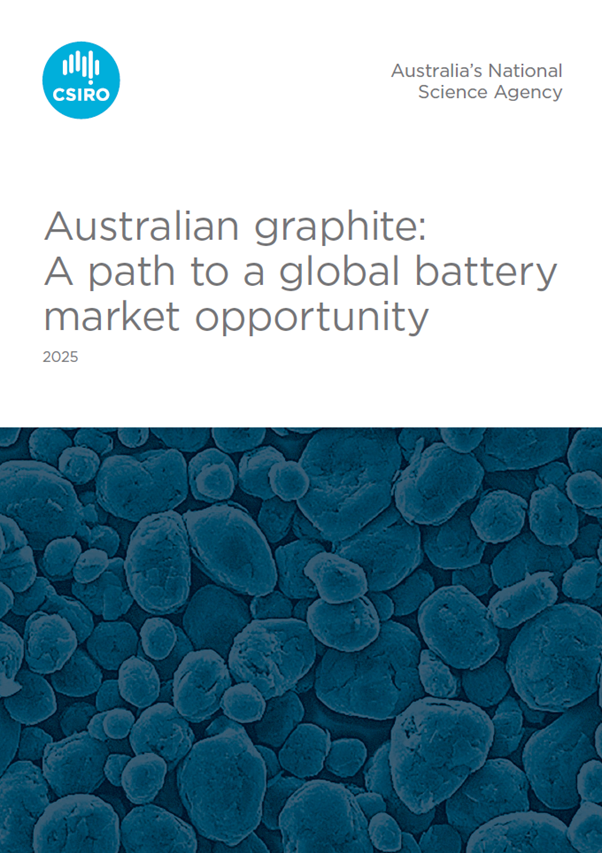
In our new report, Australian graphite: A path to a global battery market opportunity, co-authored by CSIRO, Geoscience Australia and Stanford University, we highlight the immense potential of Australia's graphite resources and the strategic importance of developing a robust graphite industry.
The strategic importance of graphite
Graphite is the primary anode material for lithium-ion batteries, which are essential for the rapidly expanding EV market. Graphite's unique properties, including high conductivity, mechanical stability and compatibility with battery cathodes, make it indispensable in battery production.
Despite holding substantial natural graphite resources, Australia currently lacks large-scale production capability for battery-grade graphite. Thus, we have a significant opportunity to establish domestic manufacturing capabilities and become a preferred supplier of graphite in the global market.
Australia's graphite resources
Geoscience Australia data, as of December 2023, ranks Australia 8th in the world for natural graphite with around 4% of the world's resource. Our graphite is predominantly located in South Australia, Western Australia and Queensland, with recent discoveries in the Northern Territory expected to add to the resource base.
However, Australia's current lack of large-scale production capability for battery-grade graphite shows the need for strategic investment and development.
Economic and market opportunities
The substantial price jump from graphite concentrate to anode materials highlights the economic potential of downstream processing. Developing domestic processing capabilities could add significant value to Australia's graphite resources.
Moreover, global market dynamics present a unique opportunity for Australia. China currently dominates 95 per cent of the downstream processing market for anode materials, posing a risk to supply chain stability.
So, enhancing our processing capabilities, international collaborations, support by targeted government initiatives, and industry-research partnerships will be essential to building a resilient and sustainable graphite supply chain.
Environmental and technological advancements
Integrating renewable energy into graphite processing could pose a competitive advantage for Australia. Technologies such as solar, wind and thermal storage could drive down the cost of the energy needed for graphite processing and deliver 'emissions-free' graphite. Additionally, advancements in artificial intelligence (AI) and machine learning could help identify graphite deposits, improving the efficiency and yield of mining operations. These innovations could not only make the graphite industry more sustainable but also position Australia as a leader in environmentally responsible mining practices.

A timely opportunity for action
In the report, we're encouraging industry leaders across Australia to recognise the strategic importance of developing a robust graphite industry. By investing in domestic processing capabilities, leveraging technological advancements and fostering strategic collaborations, Australia could secure a stable supply of critical battery materials. We’d be able to better support the growing energy storage systems and EV industries and position ourselves as a key player in the global battery anode market. Potential benefits include increased energy security, job creation and technological advancements in battery manufacturing.
In conclusion, the development of a graphite industry in Australia represents not just an economic opportunity but a strategic investment in a secure domestic supply chain and national resilience. The opportunity is here for the graphite industry to contribute to a sustainable and secure energy future.
Read the full report
Australian graphite: A path to a global battery market opportunity,
Dr Marzi Barghamadi is a senior research scientist at CSIRO, leading battery research projects.
Australia stands on the brink of a significant opportunity in the global battery market, driven by the increasing demand for electric vehicles (EVs) and energy storage systems.
At the heart of this opportunity lies graphite, a critical material for lithium-ion batteries. As the world moves to cleaner energy solutions, graphite is becoming all the more important.
In our new report, Australian graphite: A path to a global battery market opportunity PDF (1 MB), co-authored by CSIRO, Geoscience Australia and Stanford University, we highlight the immense potential of Australia's graphite resources and the strategic importance of developing a robust graphite industry.
The strategic importance of graphite
Graphite is the primary anode material for lithium-ion batteries, which are essential for the rapidly expanding EV market. Graphite's unique properties, including high conductivity, mechanical stability and compatibility with battery cathodes, make it indispensable in battery production.
Despite holding substantial natural graphite resources, Australia currently lacks large-scale production capability for battery-grade graphite. Thus, we have a significant opportunity to establish domestic manufacturing capabilities and become a preferred supplier of graphite in the global market.
Australia's graphite resources
Geoscience Australia data, as of December 2023, ranks Australia 8th in the world for natural graphite with around 4% of the world's resource. Our graphite is predominantly located in South Australia, Western Australia and Queensland, with recent discoveries in the Northern Territory expected to add to the resource base.
However, Australia's current lack of large-scale production capability for battery-grade graphite shows the need for strategic investment and development.
Economic and market opportunities
The substantial price jump from graphite concentrate to anode materials highlights the economic potential of downstream processing. Developing domestic processing capabilities could add significant value to Australia's graphite resources.
Moreover, global market dynamics present a unique opportunity for Australia. China currently dominates 95 per cent of the downstream processing market for anode materials, posing a risk to supply chain stability.
So, enhancing our processing capabilities, international collaborations, support by targeted government initiatives, and industry-research partnerships will be essential to building a resilient and sustainable graphite supply chain.
Environmental and technological advancements
Integrating renewable energy into graphite processing could pose a competitive advantage for Australia. Technologies such as solar, wind and thermal storage could drive down the cost of the energy needed for graphite processing and deliver 'emissions-free' graphite. Additionally, advancements in artificial intelligence (AI) and machine learning could help identify graphite deposits, improving the efficiency and yield of mining operations. These innovations could not only make the graphite industry more sustainable but also position Australia as a leader in environmentally responsible mining practices.
A timely opportunity for action
In the report, we're encouraging industry leaders across Australia to recognise the strategic importance of developing a robust graphite industry. By investing in domestic processing capabilities, leveraging technological advancements and fostering strategic collaborations, Australia could secure a stable supply of critical battery materials. We’d be able to better support the growing energy storage systems and EV industries and position ourselves as a key player in the global battery anode market. Potential benefits include increased energy security, job creation and technological advancements in battery manufacturing.
In conclusion, the development of a graphite industry in Australia represents not just an economic opportunity but a strategic investment in a secure domestic supply chain and national resilience. The opportunity is here for the graphite industry to contribute to a sustainable and secure energy future.
Read the full report
Australian graphite: A path to a global battery market opportunity PDF (1 MB),
Dr Marzi Barghamadi is a senior research scientist at CSIRO, leading battery research projects.