
Key points
- PVC Separation reports its patented chemical recycling process can separate more than 40 types of composite and laminated materials.
- The company worked with CSIRO through its Kick-Start program to independently characterise the wind turbine blade materials recovered through its process and evaluate the purity of the separated glass fibres.
- Testing found the process recovered glass fibre at 87 per cent purity, giving the company independent data to take the technology to industry and government.
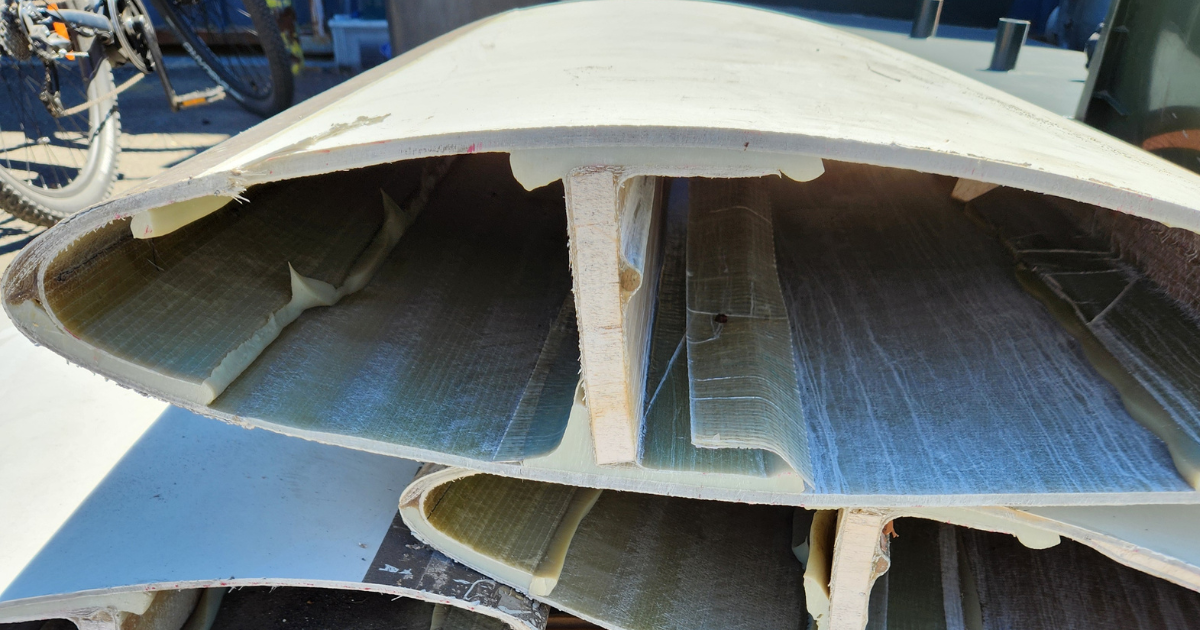
Made from glass fibre, timber and resin bonded together by design, wind turbine blades are built never to come apart. Burning the resin releases toxic fumes, so decommissioned blades are frequently buried near the turbine or sent to specialist incinerators.
Dennis Collins believes there is another way. His company, PVC Separation has developed a chemical recycling process that separates composite and laminated materials into their individual components. The company reports the patented method works across more than 40 material types, from Tetra Paks and coffee cups to fibreglass products, solar panels and composite flooring.
PVC Separation is now focused on applying the process to one of the harder end-of-life problems in renewable energy: what to do with a wind turbine when it reaches the end of its operational life.
Putting it to the test
To take the technology to industry and government, PVC Separation needed independent characterisation (analysis of the properties) of the materials its process recovered from wind turbine blades, including an evaluation of the purity of the glass fibres.
The company worked with CSIRO’s Kick-Start program, which provides dollar-matched funding for Australian start-ups and small to medium-sized enterprises to access CSIRO’s research expertise.
“To talk to industry and government, I needed independent results - not just my own. Kick-Start gave me a way to get that done,” Dennis said.
Inside the project
The project was led by Dr Ahmad Kandjani, Research Scientist at the Materials Upcycling and Sustainability Exploration (MUSE) Laboratories. The CSIRO team - Dr Ahmad Kandjani, Dr Adrian Trinchi, Dr Louis Kyratzis, Mr Nicholas Ebdon, Dr Mutah Mussa, Dr Farzaneh Mahmoodi, Dr Renee Webster and Mr David Renshaw - conducted independent characterisation studies of the materials recovered through the separation process.
“When I met the team at CSIRO, I found that they helped me and brought their knowledge to me in a way I could understand,” Dennis said.
The characterisation data gave PVC Separation the evidence base to refine key operating parameters for higher-purity recovery.
“With appropriate design and optimisation, this technology can be further extended to address the separation of a broader range of composite wastes, supporting the evolving needs of industries within the recycling sector,” said Dr Kandjani.
What the testing found
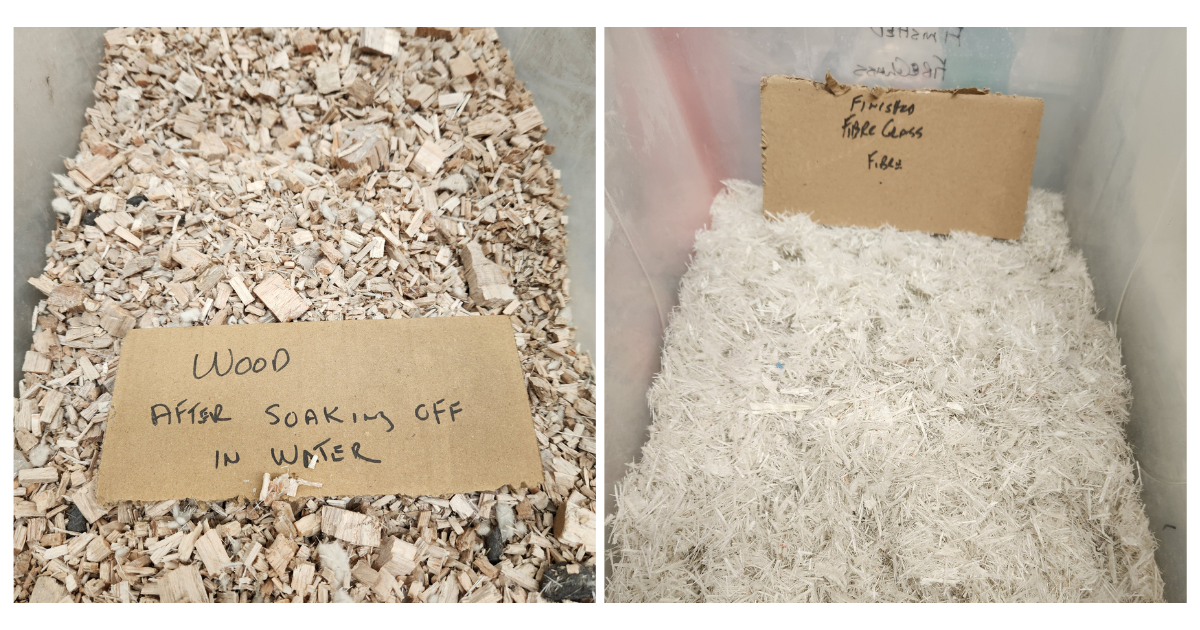
The testing found the process recovered glass fibre at 87 per cent purity. According to the company, fibre at this purity is suitable for reuse in the manufacture of products such as swimming pools and bathtubs, and the separated timber can be composted or used for soil enrichment.
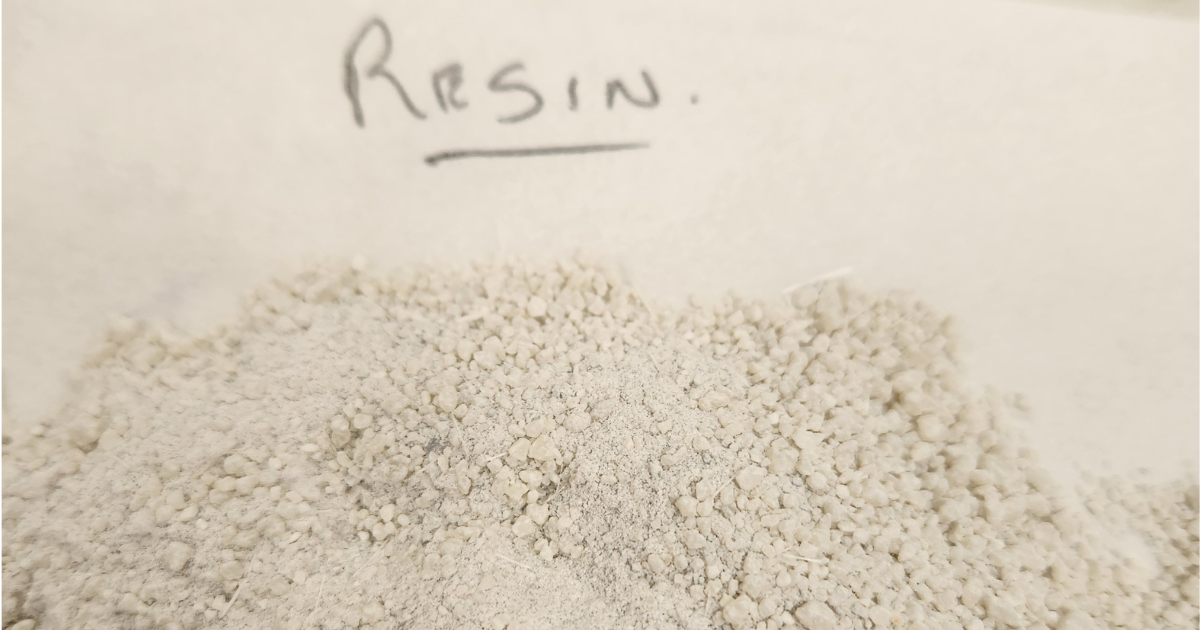
The remaining portion of resin is the focus of future work.
Learn more about CSIRO’s Kick-Start program.
Key points
- PVC Separation reports its patented chemical recycling process can separate more than 40 types of composite and laminated materials.
- The company worked with CSIRO through its Kick-Start program to independently characterise the wind turbine blade materials recovered through its process and evaluate the purity of the separated glass fibres.
- Testing found the process recovered glass fibre at 87 per cent purity, giving the company independent data to take the technology to industry and government.
Made from glass fibre, timber and resin bonded together by design, wind turbine blades are built never to come apart. Burning the resin releases toxic fumes, so decommissioned blades are frequently buried near the turbine or sent to specialist incinerators.
Dennis Collins believes there is another way. His company, PVC Separation has developed a chemical recycling process that separates composite and laminated materials into their individual components. The company reports the patented method works across more than 40 material types, from Tetra Paks and coffee cups to fibreglass products, solar panels and composite flooring.
PVC Separation is now focused on applying the process to one of the harder end-of-life problems in renewable energy: what to do with a wind turbine when it reaches the end of its operational life.
Putting it to the test
To take the technology to industry and government, PVC Separation needed independent characterisation (analysis of the properties) of the materials its process recovered from wind turbine blades, including an evaluation of the purity of the glass fibres.
The company worked with CSIRO’s Kick-Start program, which provides dollar-matched funding for Australian start-ups and small to medium-sized enterprises to access CSIRO’s research expertise.
“To talk to industry and government, I needed independent results - not just my own. Kick-Start gave me a way to get that done,” Dennis said.
Inside the project
The project was led by Dr Ahmad Kandjani, Research Scientist at the Materials Upcycling and Sustainability Exploration (MUSE) Laboratories. The CSIRO team - Dr Ahmad Kandjani, Dr Adrian Trinchi, Dr Louis Kyratzis, Mr Nicholas Ebdon, Dr Mutah Mussa, Dr Farzaneh Mahmoodi, Dr Renee Webster and Mr David Renshaw - conducted independent characterisation studies of the materials recovered through the separation process.
“When I met the team at CSIRO, I found that they helped me and brought their knowledge to me in a way I could understand,” Dennis said.
The characterisation data gave PVC Separation the evidence base to refine key operating parameters for higher-purity recovery.
“With appropriate design and optimisation, this technology can be further extended to address the separation of a broader range of composite wastes, supporting the evolving needs of industries within the recycling sector,” said Dr Kandjani.
What the testing found
The testing found the process recovered glass fibre at 87 per cent purity. According to the company, fibre at this purity is suitable for reuse in the manufacture of products such as swimming pools and bathtubs, and the separated timber can be composted or used for soil enrichment.
The remaining portion of resin is the focus of future work.
Learn more about CSIRO’s Kick-Start program.