
A Q&A with Kim Phillips from The House of Honey
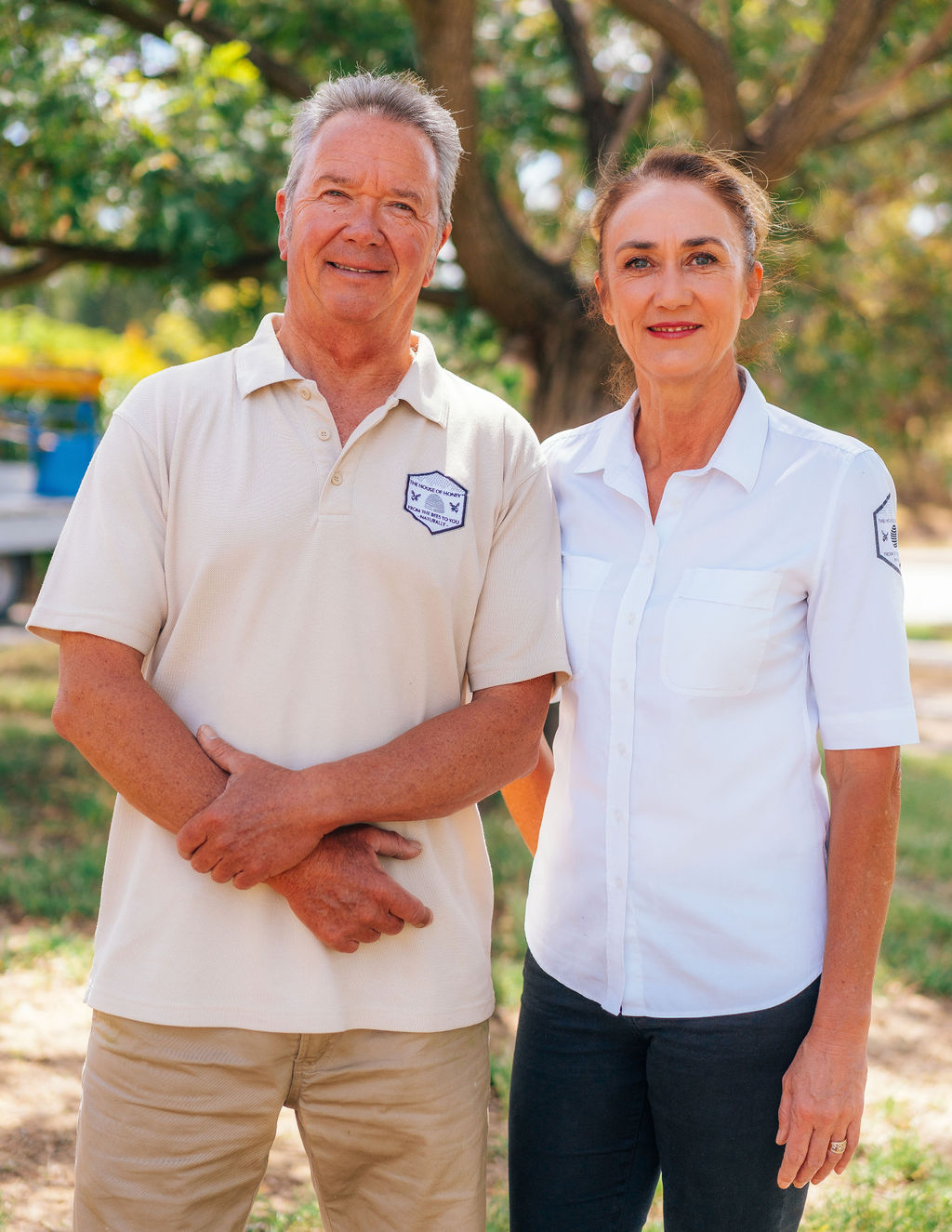 Kim Phillips nearly didn’t apply for CSIRO’s Innovate to Grow program.
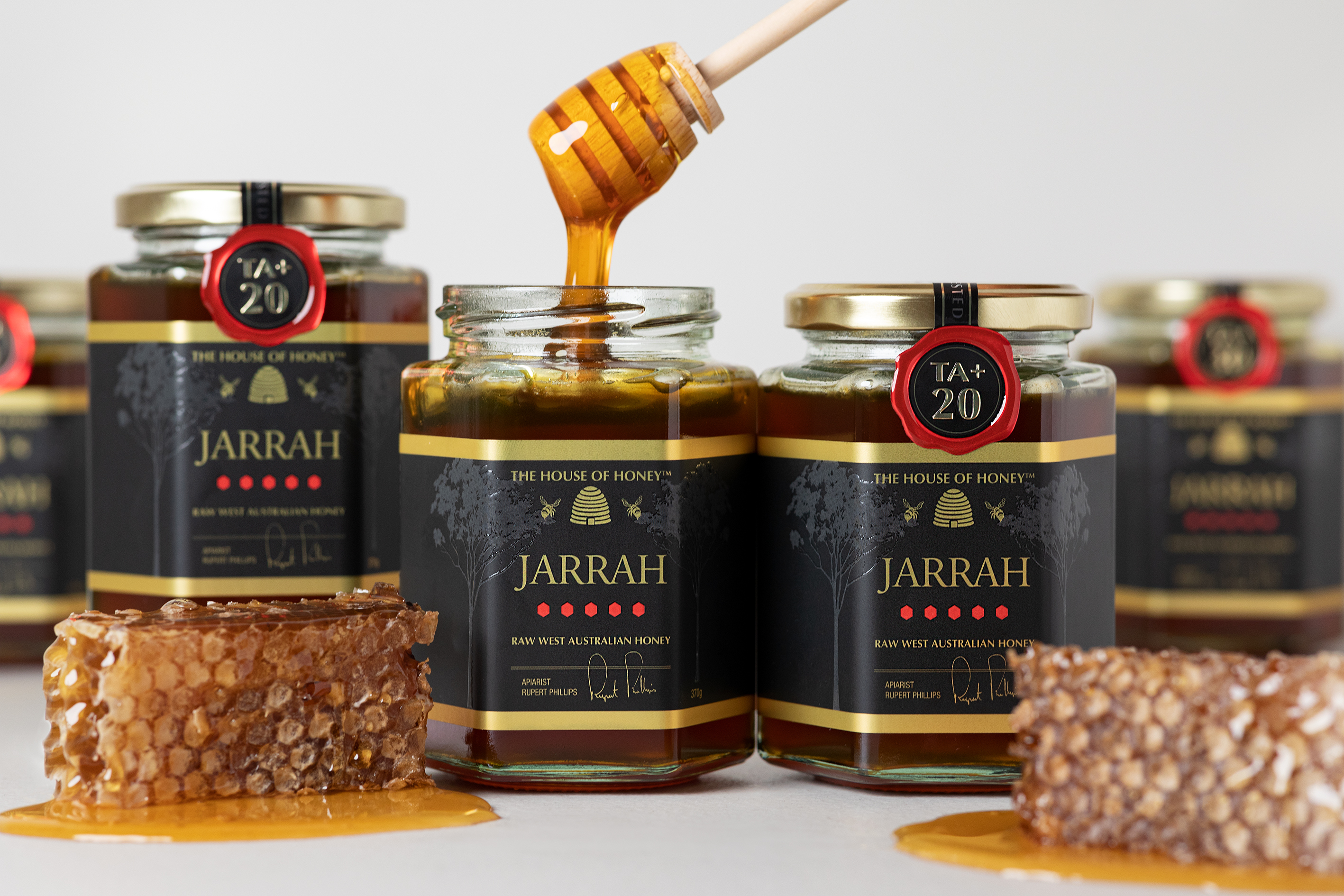
Kim is the Managing Director and co-owner of The House of Honey in Western Australia’s Swan Valley, which she has run with her husband Rupert for 16 years. The business manages around 600 hives and employs around 38 staff across honey production, retail, hospitality, agritourism, wholesale and export.
She joined Innovate to Grow - Agrifood and AgTech (Western Australia) in 2026 with a beeswax wax stream and no product in mind.
Here, she shares what held her back, what changed her mind, and what she’d say to anyone else who isn’t sure they’re ready.
What made you think you weren’t ready?
I had seen Innovate to Grow advertised a couple of times previously and didn’t apply because I did not have anything concrete, just wastewater.
I assumed you needed to have a well-developed R&D project or a sophisticated understanding of research before joining and/or a product. We didn’t have any of that. This time I decided to apply anyway, and I am very glad that I did. I spoke to the Innovate to Grow team to see if I fit the guidelines of the program. The staff were very supportive. I realised that not knowing how to undertake the R&D was actually one of the reasons to participate in the program, rather than a reason not to.
Where were you starting from?
When we refine beeswax, it is heated in a water bath. At the end of the process, we are left with water containing residual honey sugars and other organic material. That water is currently discarded, and I kept thinking there must be something more valuable that we could do with it. We are very experienced beekeepers and business operators, but we don’t have an R&D background.
Ultimately, I was hoping to find a way of reducing this waste and potentially create something that could benefit not only The House of Honey but the wider beekeeping industry.
What had the biggest impact on you?
 One of the program exercises, the Innovation Canvas scoring matrix, was particularly valuable. It made me consider areas I wouldn’t naturally have thought about so early in the process – the customer, market, regulations, risks, intellectual property, technical capability and commercialisation. It also highlighted what we knew, but more importantly, what we didn’t know.
When I repeated the scoring exercise at the end of the program, my scores were vastly different. I realised I had initially underestimated both my understanding and the potential of the concept. Meeting my R&D coach was another turning point. We very quickly began identifying possibilities for what this waste stream could become. Seeing their genuine excitement about the idea made me excited too.
How did the idea move forward?
We are interested in investigating whether the honey-rich water could be developed into a high value product. The science still needs to determine whether that is feasible, but we now have something much more tangible to investigate. The program has also helped me understand that we shouldn’t jump straight to making a product.
First, we need to characterise the wastewater and understand what is actually in it. I have learnt to start with the problem, ask the right questions and allow the research to determine the solution rather than deciding what the answer should be beforehand.
What would you say to other businesses considering Innovate to Grow?
I would say apply, even if your idea isn’t fully formed. If someone else is looking at the program and thinking, 'I have an idea, but I don’t know enough about R&D,' I would tell them not to let that stop them. You may have a problem in your business, a waste stream, an inefficient process or simply an idea that you think has potential. The program gives you a structure for taking that idea apart and examining it from different perspectives. It sets you up so you don’t over-invest in a product that may fail.
I went into Innovate to Grow with wastewater and a question. I came out with a potential product direction, a much clearer R&D pathway and an understanding of what we need to do next.
Learn more about CSIRO’s Innovate to Grow program.
Subscribe for updates to find out when your sector’s intake opens.
A Q&A with Kim Phillips from The House of Honey
Kim Phillips nearly didn’t apply for CSIRO’s Innovate to Grow program.
Kim is the Managing Director and co-owner of The House of Honey in Western Australia’s Swan Valley, which she has run with her husband Rupert for 16 years. The business manages around 600 hives and employs around 38 staff across honey production, retail, hospitality, agritourism, wholesale and export.
She joined Innovate to Grow - Agrifood and AgTech (Western Australia) in 2026 with a beeswax wax stream and no product in mind.
Here, she shares what held her back, what changed her mind, and what she’d say to anyone else who isn’t sure they’re ready.
What made you think you weren’t ready?
I had seen Innovate to Grow advertised a couple of times previously and didn’t apply because I did not have anything concrete, just wastewater.
I assumed you needed to have a well-developed R&D project or a sophisticated understanding of research before joining and/or a product. We didn’t have any of that. This time I decided to apply anyway, and I am very glad that I did. I spoke to the Innovate to Grow team to see if I fit the guidelines of the program. The staff were very supportive. I realised that not knowing how to undertake the R&D was actually one of the reasons to participate in the program, rather than a reason not to.
Where were you starting from?
When we refine beeswax, it is heated in a water bath. At the end of the process, we are left with water containing residual honey sugars and other organic material. That water is currently discarded, and I kept thinking there must be something more valuable that we could do with it. We are very experienced beekeepers and business operators, but we don’t have an R&D background.
Ultimately, I was hoping to find a way of reducing this waste and potentially create something that could benefit not only The House of Honey but the wider beekeeping industry.
What had the biggest impact on you?
One of the program exercises, the Innovation Canvas scoring matrix, was particularly valuable. It made me consider areas I wouldn’t naturally have thought about so early in the process – the customer, market, regulations, risks, intellectual property, technical capability and commercialisation. It also highlighted what we knew, but more importantly, what we didn’t know.
When I repeated the scoring exercise at the end of the program, my scores were vastly different. I realised I had initially underestimated both my understanding and the potential of the concept. Meeting my R&D coach was another turning point. We very quickly began identifying possibilities for what this waste stream could become. Seeing their genuine excitement about the idea made me excited too.
How did the idea move forward?
We are interested in investigating whether the honey-rich water could be developed into a high value product. The science still needs to determine whether that is feasible, but we now have something much more tangible to investigate. The program has also helped me understand that we shouldn’t jump straight to making a product.
First, we need to characterise the wastewater and understand what is actually in it. I have learnt to start with the problem, ask the right questions and allow the research to determine the solution rather than deciding what the answer should be beforehand.
What would you say to other businesses considering Innovate to Grow?
I would say apply, even if your idea isn’t fully formed. If someone else is looking at the program and thinking, 'I have an idea, but I don’t know enough about R&D,' I would tell them not to let that stop them. You may have a problem in your business, a waste stream, an inefficient process or simply an idea that you think has potential. The program gives you a structure for taking that idea apart and examining it from different perspectives. It sets you up so you don’t over-invest in a product that may fail.
I went into Innovate to Grow with wastewater and a question. I came out with a potential product direction, a much clearer R&D pathway and an understanding of what we need to do next.
Learn more about CSIRO’s Innovate to Grow program.
Subscribe for updates to find out when your sector’s intake opens.