
Reliable water is essential to mining, from ore processing and tailings management to cooling and dust suppression. Yet these activities can leave water saline, acidic or laden with dissolved minerals—conditions that are difficult and costly to treat.
Decades of working with the mining sector have given CSIRO deep expertise in treating complex water and managing it more efficiently in some of Australia’s toughest operating environments.
CSIRO is now applying that expertise beyond mining to help industries and communities overcome constraints such as variable groundwater quality, limited infrastructure and expensive waste disposal.
Several projects have demonstrated success recovering more usable water, reducing waste and strengthening water security.
Each solution is shaped around local water chemistry, operating conditions and user needs, rather than relying on a one-size-fits-all treatment system.

Designed around people and place
Water demand in communities are variable. For example, demand may rise sharply as people travel or gather for cultural. Access to water resources also varies and can be affected by seasonal weather events.
Water treatment must also account for different end uses. For example, water suitable for livestock may not meet the stricter standards required for safe drinking water for people.
CSIRO combines treatment science with local knowledge, training and practical design to create systems that suit their setting and can be operated and maintained locally. This turns specialist mining-water expertise into reliable solutions that users can manage with confidence.
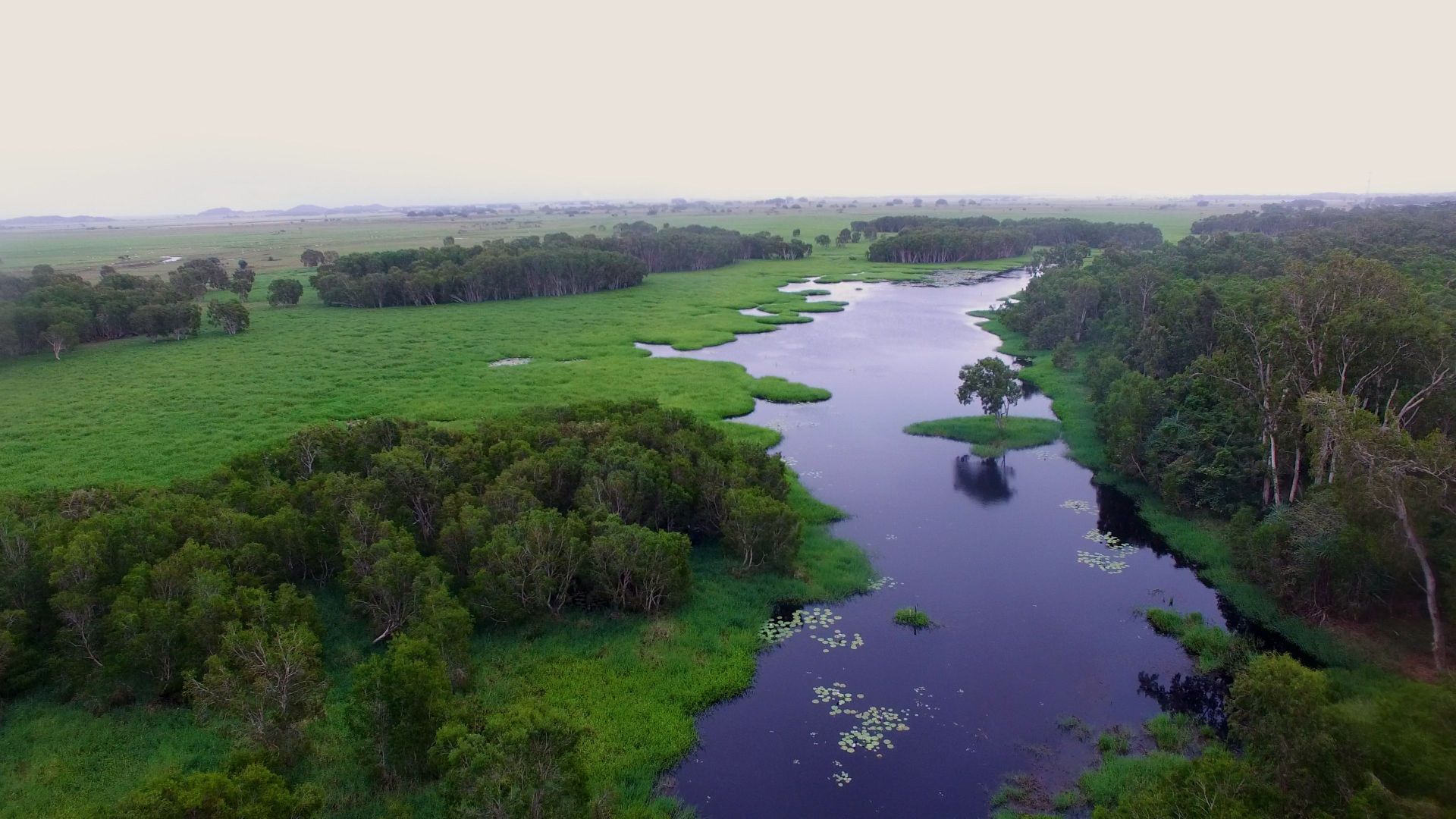
Case study: Building local water capability at Mungalla Station
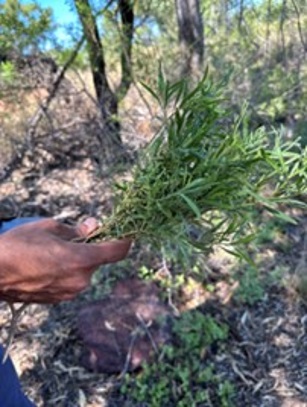
At Mungalla Station, on Nywaigi Country near Ingham in North Queensland, town water reaches the front gate but remains about 1.2 kilometres from the homestead. The Indigenous-owned cattle station and ecotourism destination trucks in water for guests, including tourists and school groups.
To help Mungalla secure more reliable potable water supply, CSIRO is working with the Nywaigi people on a nature-based treatment approach that combines water science with local ecological knowledge.
Indigenous partners identify suitable, locally-sourced plant material, while researchers investigate how it can be converted into structured carbon which will then be used to help clean water from the land.
Furthermore, the project is being designed for community handover. It includes local partners and training organisation On Common Country, with the aim of enabling local people to operate and maintain the system without ongoing outside support.
The work is building local capability while supporting a longer-term pathway to a reliable water supply.
Case study: Recovering water from abattoir waste in Tamworth by removing microbial contamination
Abattoir trade waste contains organic matter and microbes and requires treatment before the water can be safely reused. In drought-prone regional areas, disposing of that water also means losing a potentially valuable supply.
At Tamworth Regional Council’s treatment plant, CSIRO researchers trialled treatment of abattoir trade waste alongside biologically treated water.
The system combined forward osmosis, which draws water naturally across a membrane using a concentrated solution, with reverse osmosis to produce clean water suitable for irrigation.
The trial recovered more than 80 per cent of the water, with no microbes detected in the recovered water. It demonstrated how membrane expertise relevant to mine-affected water can support another water-intensive regional industry.
A full-scale plant is not yet operating in the region but this preliminary study has demonstrated how technology developed for one industry can be applied to another facing similar challenges.

Lifting water recovery using desalination in Western Australia
Desalination and advanced water treatment can leave significant volumes of water in concentrated waste streams. Water providers need practical ways to recover more usable water without adding large or inflexible infrastructure.
CSIRO is trialling its membrane technology with Water Corporation Western Australia, with co-funding through the Australian Government’s National Water Grid Fund.
A pilot unit housed in a 20-foot shipping container can produce up to 10 kilolitres of desalinated water a day.
At one site, researchers are testing whether adding forward osmosis can increase recovery. At another, the team is treating an existing waste stream from a process that already uses forward and reverse osmosis.
The trials are assessing how much additional water can be recovered under real operating conditions. The compact, transportable pilot also demonstrates how technology shaped by industrial water challenges can be adapted for public water infrastructure and deployed where treatment capacity is needed.
Case study: Turning difficult brine into an opportunity
Desalination concentrates removed salts into a brine waste stream. Coastal plants may discharge brine to the ocean, but inland communities and industries often have to store it in ponds or transport it long distances for disposal.
CSIRO developed a thermal membrane technology to reduce brine volumes. The approach is being trialled through the Australian Coal Association Research Program on coal mine brines and acidic mine water.
Researchers are also investigating whether brine can become a resource through a proof-of-concept project with CO2CRC that combines carbon dioxide captured from industrial flue gas with brine.
The thermal membrane technology has progressed from laboratory work to pilot and prototype units.
The CO2CRC project is testing a pathway to convert waste streams from two industries into a saleable product, with the potential to reduce disposal burdens and create new value.
Why it matters
Climate pressure, growing demand and local water-quality constraints are placing supplies under increasing strain.
By recovering more water from difficult sources and reducing concentrated waste, CSIRO’s expertise is helping to improve resilience, lower environmental and disposal burdens for water treatment, creating economic and community value well beyond the mine.
Reliable water is essential to mining, from ore processing and tailings management to cooling and dust suppression. Yet these activities can leave water saline, acidic or laden with dissolved minerals—conditions that are difficult and costly to treat.
Decades of working with the mining sector have given CSIRO deep expertise in treating complex water and managing it more efficiently in some of Australia’s toughest operating environments.
CSIRO is now applying that expertise beyond mining to help industries and communities overcome constraints such as variable groundwater quality, limited infrastructure and expensive waste disposal.
Several projects have demonstrated success recovering more usable water, reducing waste and strengthening water security.
Each solution is shaped around local water chemistry, operating conditions and user needs, rather than relying on a one-size-fits-all treatment system.

Designed around people and place
Water demand in communities are variable. For example, demand may rise sharply as people travel or gather for cultural. Access to water resources also varies and can be affected by seasonal weather events.
Water treatment must also account for different end uses. For example, water suitable for livestock may not meet the stricter standards required for safe drinking water for people.
CSIRO combines treatment science with local knowledge, training and practical design to create systems that suit their setting and can be operated and maintained locally. This turns specialist mining-water expertise into reliable solutions that users can manage with confidence.
Case study: Building local water capability at Mungalla Station
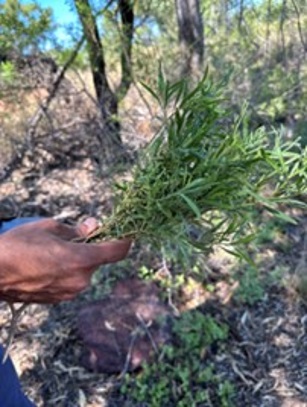
At Mungalla Station, on Nywaigi Country near Ingham in North Queensland, town water reaches the front gate but remains about 1.2 kilometres from the homestead. The Indigenous-owned cattle station and ecotourism destination trucks in water for guests, including tourists and school groups.
To help Mungalla secure more reliable potable water supply, CSIRO is working with the Nywaigi people on a nature-based treatment approach that combines water science with local ecological knowledge.
Indigenous partners identify suitable, locally-sourced plant material, while researchers investigate how it can be converted into structured carbon which will then be used to help clean water from the land.
Furthermore, the project is being designed for community handover. It includes local partners and training organisation On Common Country, with the aim of enabling local people to operate and maintain the system without ongoing outside support.
The work is building local capability while supporting a longer-term pathway to a reliable water supply.
Case study: Recovering water from abattoir waste in Tamworth by removing microbial contamination
Abattoir trade waste contains organic matter and microbes and requires treatment before the water can be safely reused. In drought-prone regional areas, disposing of that water also means losing a potentially valuable supply.
At Tamworth Regional Council’s treatment plant, CSIRO researchers trialled treatment of abattoir trade waste alongside biologically treated water.
The system combined forward osmosis, which draws water naturally across a membrane using a concentrated solution, with reverse osmosis to produce clean water suitable for irrigation.
The trial recovered more than 80 per cent of the water, with no microbes detected in the recovered water. It demonstrated how membrane expertise relevant to mine-affected water can support another water-intensive regional industry.
A full-scale plant is not yet operating in the region but this preliminary study has demonstrated how technology developed for one industry can be applied to another facing similar challenges.

Lifting water recovery using desalination in Western Australia
Desalination and advanced water treatment can leave significant volumes of water in concentrated waste streams. Water providers need practical ways to recover more usable water without adding large or inflexible infrastructure.
CSIRO is trialling its membrane technology with Water Corporation Western Australia, with co-funding through the Australian Government’s National Water Grid Fund.
A pilot unit housed in a 20-foot shipping container can produce up to 10 kilolitres of desalinated water a day.
At one site, researchers are testing whether adding forward osmosis can increase recovery. At another, the team is treating an existing waste stream from a process that already uses forward and reverse osmosis.
The trials are assessing how much additional water can be recovered under real operating conditions. The compact, transportable pilot also demonstrates how technology shaped by industrial water challenges can be adapted for public water infrastructure and deployed where treatment capacity is needed.
Case study: Turning difficult brine into an opportunity
Desalination concentrates removed salts into a brine waste stream. Coastal plants may discharge brine to the ocean, but inland communities and industries often have to store it in ponds or transport it long distances for disposal.
CSIRO developed a thermal membrane technology to reduce brine volumes. The approach is being trialled through the Australian Coal Association Research Program on coal mine brines and acidic mine water.
Researchers are also investigating whether brine can become a resource through a proof-of-concept project with CO2CRC that combines carbon dioxide captured from industrial flue gas with brine.
The thermal membrane technology has progressed from laboratory work to pilot and prototype units.
The CO2CRC project is testing a pathway to convert waste streams from two industries into a saleable product, with the potential to reduce disposal burdens and create new value.
Why it matters
Climate pressure, growing demand and local water-quality constraints are placing supplies under increasing strain.
By recovering more water from difficult sources and reducing concentrated waste, CSIRO’s expertise is helping to improve resilience, lower environmental and disposal burdens for water treatment, creating economic and community value well beyond the mine.