
Download the MNF Year in Review 2025-26:
CSIRO acknowledges the Traditional Owners of the land, sea and waters, of the area that we live and work on across Australia. We acknowledge their continuing connection to their culture and pay our respects to their Elders past and present.
View our vision towards reconciliation.
CSIRO Marine National Facility
Year-in-Review 2025-26
About the MNF
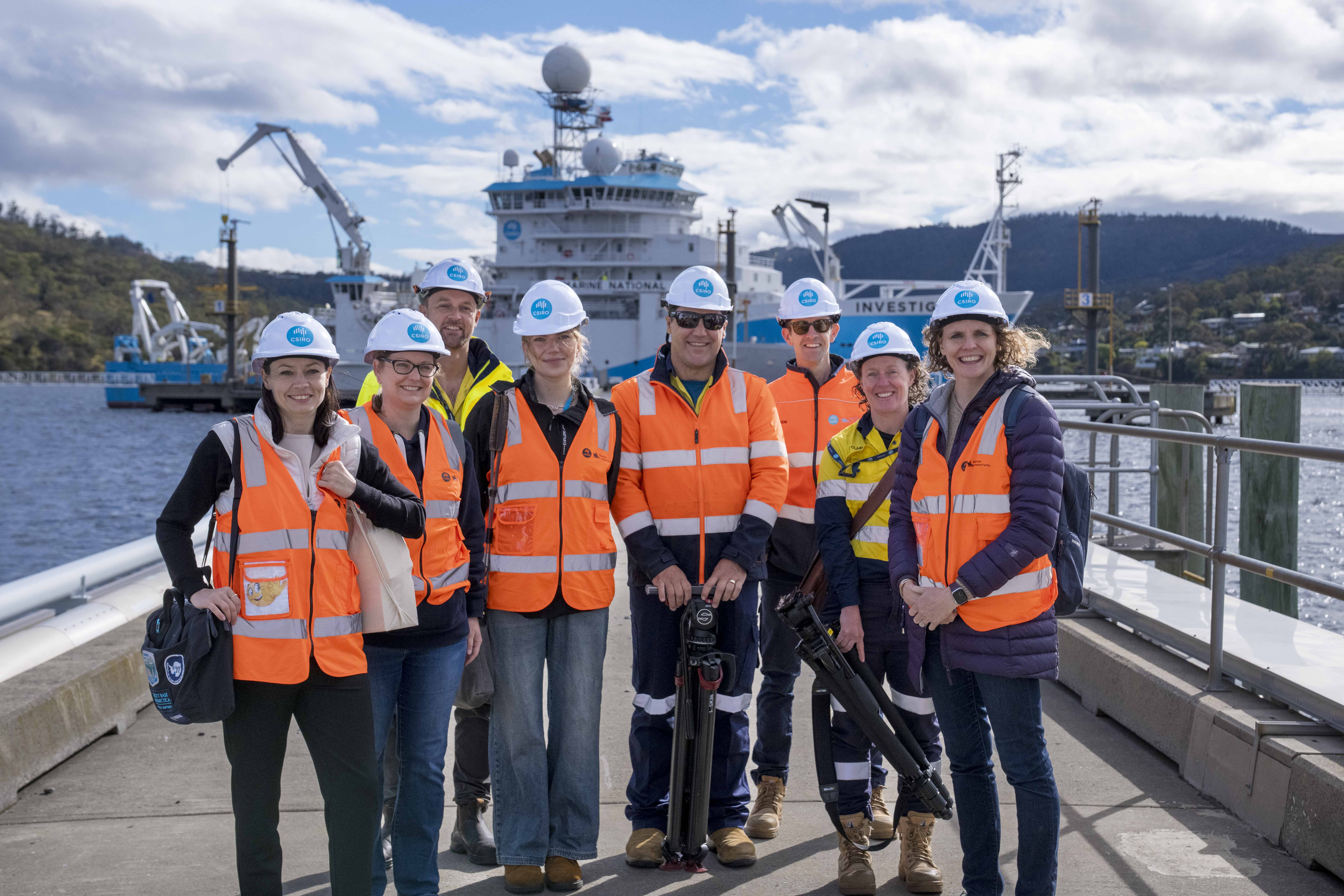 The CSIRO Marine National Facility (MNF) is Australia’s dedicated ocean research capability, enabling vital marine and atmospheric research across our vast marine estate. Funded by the Australian Government, including support from the National Collaborative Research Infrastructure Strategy (NCRIS), the MNF is operated by CSIRO, Australia’s national science agency, on behalf of the nation.
The MNF includes the advanced ocean‑class research vessel (RV) Investigator, a suite of specialist scientific equipment, technical staff and expertise, and more than 40 years of marine data. Operation of the MNF is overseen by an independent Steering Committee that reports to the CSIRO Board and sea time on RV Investigator is awarded by independent advisory committees through an annual competitive application process.
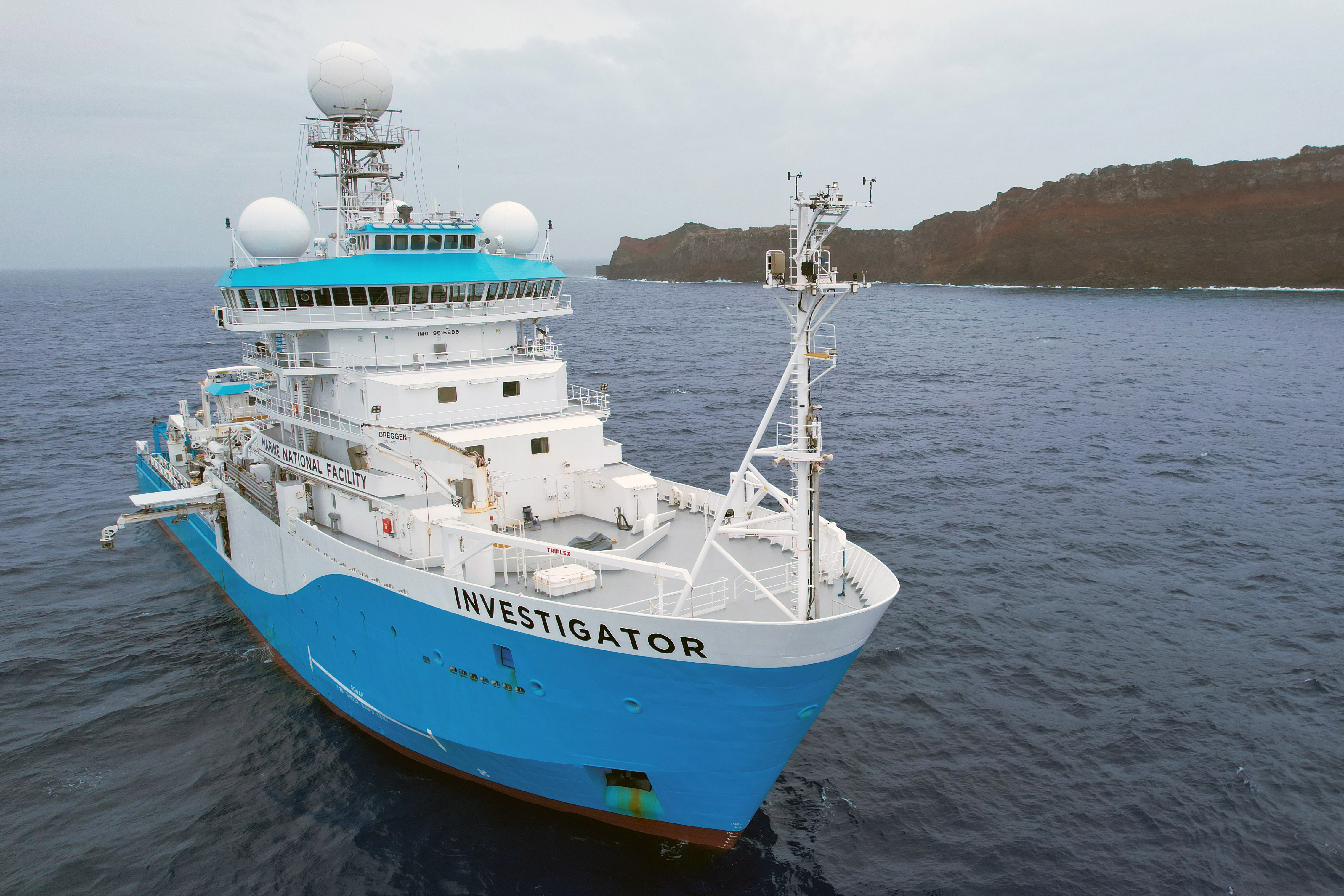
RV Investigator is landmark research infrastructure, serving as Australia's only dedicated ocean research vessel. It provides a turn-key solution to meet the diverse and multidisciplinary science needs of the marine research community to enable research for national benefit. The vessel offers an impressive capability and capacity for oceanographic, biological, atmospheric and geophysical research, as well as maritime heritage studies. In addition, RV Investigator provides a unique platform for technology testing and development, delivers crucial training opportunities for our future marine experts, and inspires public interest in the marine environment through engaging outreach and education initiatives.
RV Investigator was designed to accommodate research teams of 40 people, stay at sea for 60 days, and travel up to 10,000 nautical miles per voyage. The vessel is a hub for collaboration and enables multidisciplinary research from the Antarctic ice edge to the tropics. Through its 10-year strategy, MNF 2030, the MNF is fulfilling its mission to facilitate safe and excellent marine research to address the challenges facing Australia’s society, economy and environment.
RV Investigator is funded to deliver full year research operations until 2027–28.
From the Chair
 Australia has the third largest marine jurisdiction of any country, encompassing vast and diverse ocean environments that are critical to the nation’s climate, biodiversity, culture, economy and security. Effective stewardship of this marine estate requires access to world-class research infrastructure capable of operating safely and reliably across remote and often challenging ocean environments.
The CSIRO Marine National Facility (MNF) provides this capability for Australia and continues to demonstrate its incredible return on investment. The MNF operates in an incredibly challenging physical and logistical environment requiring highly specialised operational and logistics expertise. The team delivers complex voyage schedules that include multidisciplinary research projects, partners and collaborators. Many of these voyages are conducted in some of the most remote and extreme environments on the planet.
In my third year as Chair of the MNF Steering Committee, I continue to be impressed by the achievements and output of the MNF, its partners and collaborators. Through a nationally coordinated access model and a commitment to open data, the MNF ensures strong integration with national environmental research infrastructure and science programs.
As this Year in Review highlights, this model supports research spanning marine biodiversity, climate change, ocean and atmospheric monitoring, natural hazard resilience and seabed mapping. While the MNF enables this research, it doesn’t deliver it alone. The MNF’s success is built on the strength of Australia’s marine research ecosystem, and the ability to bring together government agencies, universities, research organisations and industry to address shared challenges for national benefit.
Reflecting on the past 12 months, the achievements captured in this Year in Review once again demonstrate why the MNF is one of Australia’s most important pieces of national research infrastructure, delivering essential marine data to support long‑term scientific research and policy development. These benefits extend from researchers and their institutions to governments, industry and the wider community.
These achievements would not be possible without the skill, dedication and professionalism of the MNF team, ship officers and crew working together with researchers and collaborators from Australia and around the world. I commend and thank all who have contributed to the success of the past year.
I am excited to be able to share with you the CSIRO Marine National Facility Year in Review 2025–26.
Anne-Marie Lansdown
Chair, MNF Steering Committee
From the Director
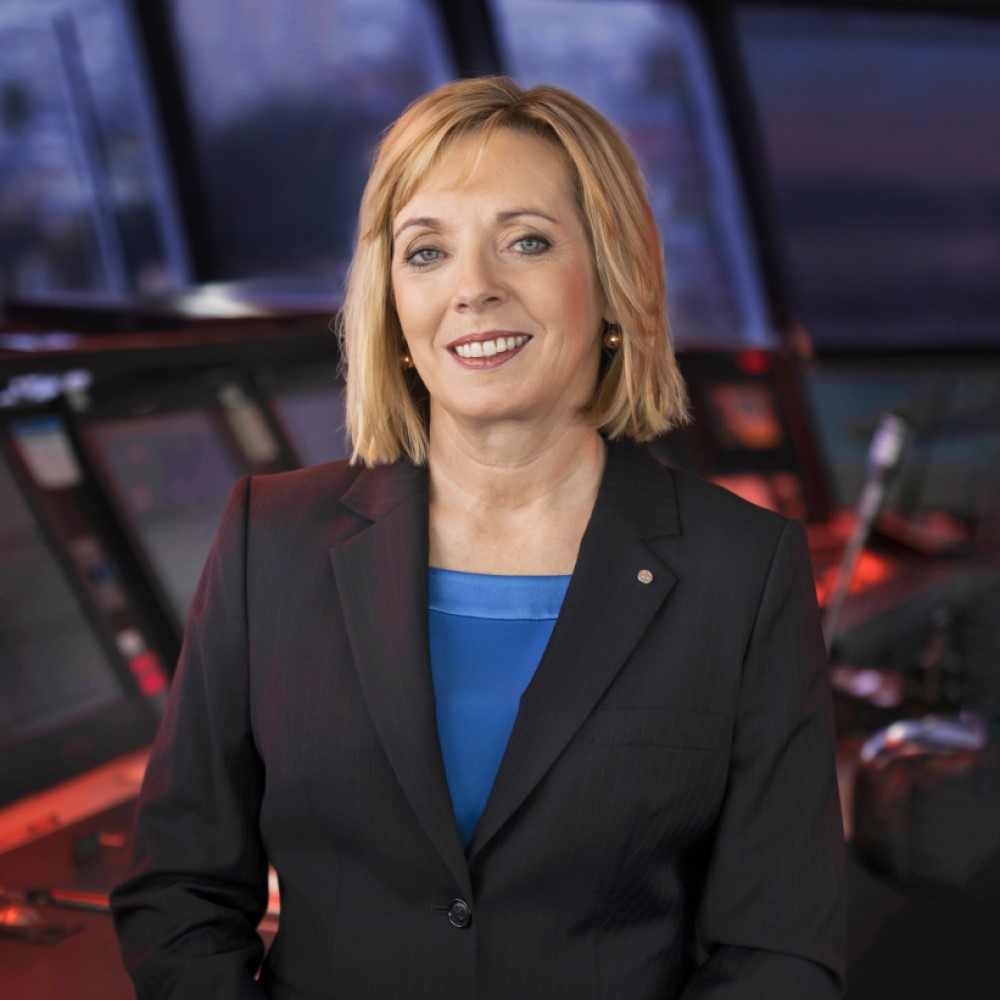 From the Antarctic ice edge to tropical islands in the Pacific Ocean and spanning the seas and oceans from Australia’s east to west coasts, the past year has delivered marine science that deepens our understanding of the ocean and benefits communities across Australia and beyond.
The CSIRO Marine National Facility (MNF) represents a fundamental national capability combining a purpose-built research vessel, specialist expertise, advanced scientific systems and integrated data management within a single integrated facility. The MNF excels in enabling complex scientific operations in harsh and remote environments, and never has this been more clearly illustrated than in the voyages delivered in 2025–26.
The MNF operates within a dynamic strategic environment shaped by emerging national priorities in biodiversity conservation, climate resilience, sustainable ocean management and marine technology. Through long-term capability planning, strong governance, stakeholder engagement, and ongoing investment in infrastructure and scientific capability, the MNF remains responsive to evolving research needs while maximising national benefit from public investment.
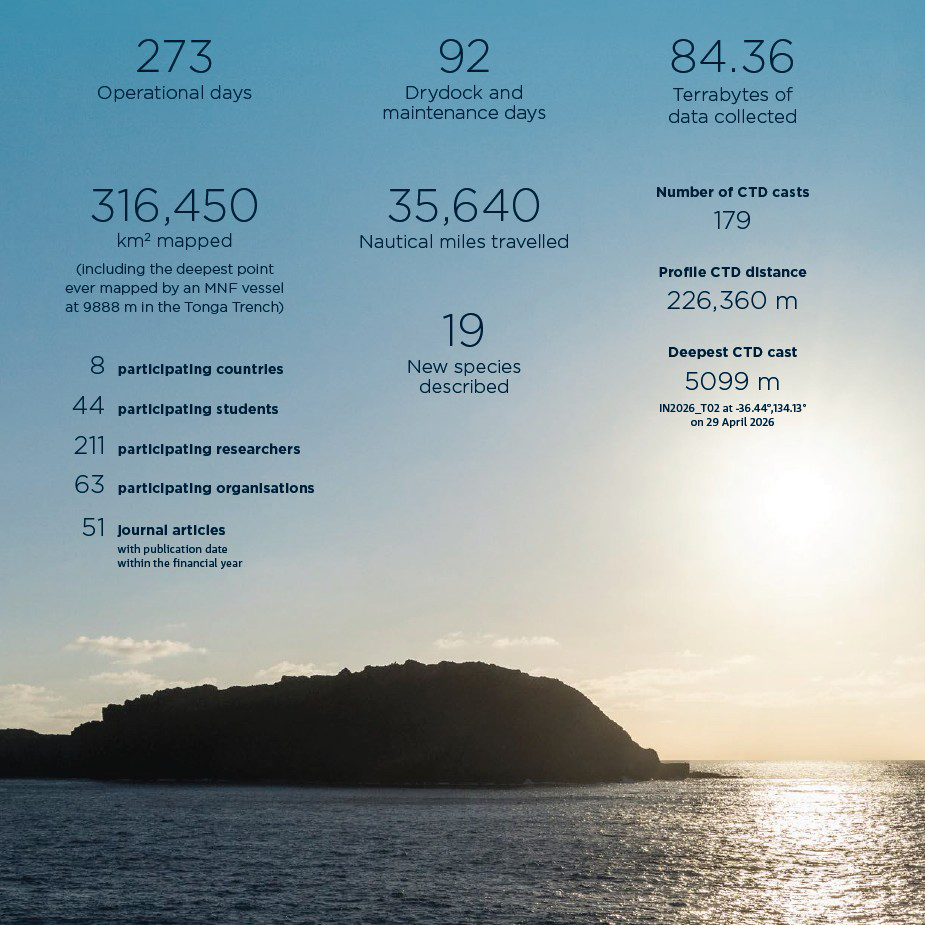
It has been a busy year for the MNF team. We welcomed 211 researchers and 44 students onboard RV Investigator, including participants from eight countries. RV Investigator travelled over 35,000 nautical miles collecting more than 84 terabytes of data and mapping more than 300,000 km2 of seafloor, including mapping to a depth of 9,888 metres in the Tonga Trench, the deepest point mapped by any MNF vessel.
Despite operating in dynamic and unpredictable conditions, the MNF team, ship officers and crew, in partnership with our voyage partners, continue to safely deliver an incredibly complex program of marine research, which this year included navigating around a tropical cyclone.
In a year of both incredible challenges and achievements, the MNF maintained a primary focus on looking after the health and safety of our people and the environment. I commend all our people in this commitment. This enables our teams, partners and collaborators to deliver robust, high-impact science and generate knowledge to support Australia’s people, economy and environment.
The MNF is committed to creating meaningful opportunities for Aboriginal and Torres Strait Islander peoples to participate in, influence and lead marine research. Through our Indigenous Time at Sea Scholarship, which offers at sea training for Indigenous students, as well as co-designing voyages with Traditional Owners, we are building greater participation in marine science and strengthening connections with Indigenous knowledge holders. We are also developing a Marine Science on Sea Country Framework, an important step towards elevating traditional knowledge systems and respecting Indigenous rights across the way we plan, undertake and support marine research.
Over the past year, we have collaborated closely with our stakeholders, partners and the research community to ensure the MNF continues to deliver maximum benefit for Australia. Together, we have strengthened national and research partnerships, inspired the next generation of marine scientists, and contributed to environmental management, biodiversity conservation, climate resilience and sustainable ocean use.
It is with great pride that I share with you the CSIRO Marine National Facility Year in Review 2025–26. I hope you enjoy hearing about the incredible achievements from our collaborative efforts over the past 12 months. Congratulations and thank you to all those on ship and on shore who made this year possible.
Toni Moate
Director, CSIRO Marine National Facility
Celebrating 20 years of collaboration with IMOS
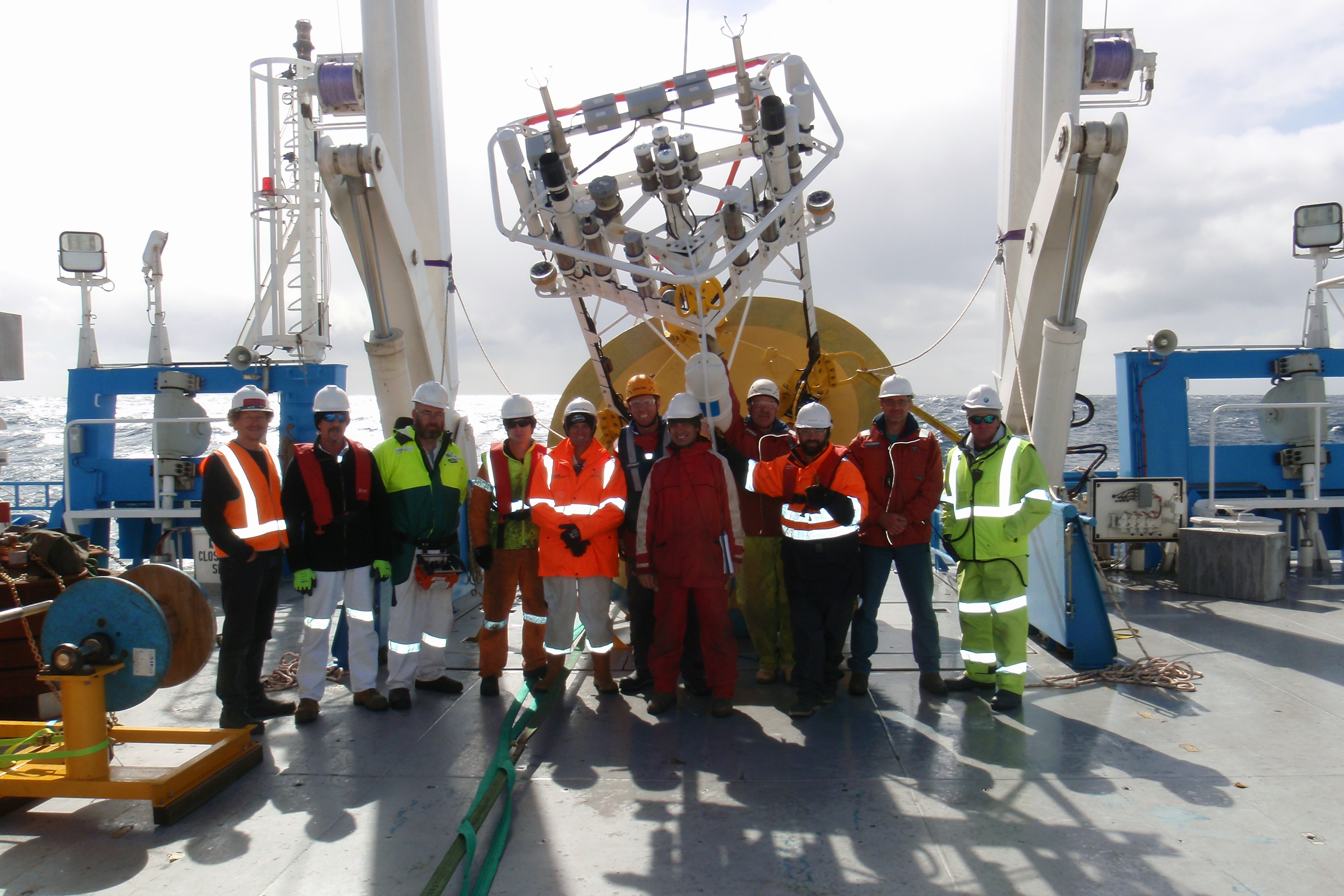 A significant milestone was reached during the past year as we celebrated 20 years of scientific collaboration between the Integrated Marine Observing System (IMOS) and the MNF.
For two decades, IMOS has provided the foundation for sustained Australian marine and climate observations, including via the vital Southern Ocean Time Series (SOTS) observatory which is operated in collaboration with the MNF.
The SOTS observatory has sustained the longest time series of Southern Ocean observations by any nation, contributing to the global effort to monitor for climate change, ocean acidification, and biological carbon cycling. It is maintained through ongoing grants of sea time on RV Investigator from the MNF and delivers crucial data in this under-sampled region to ensure we understand Southern Ocean dynamics and their role in climate and responses to anthropogenic emissions.
IMOS and the MNF are national research infrastructure supported by the Australian Government through the National Collaborative Research Infrastructure Strategy (NCRIS).
Enhancing our future capability
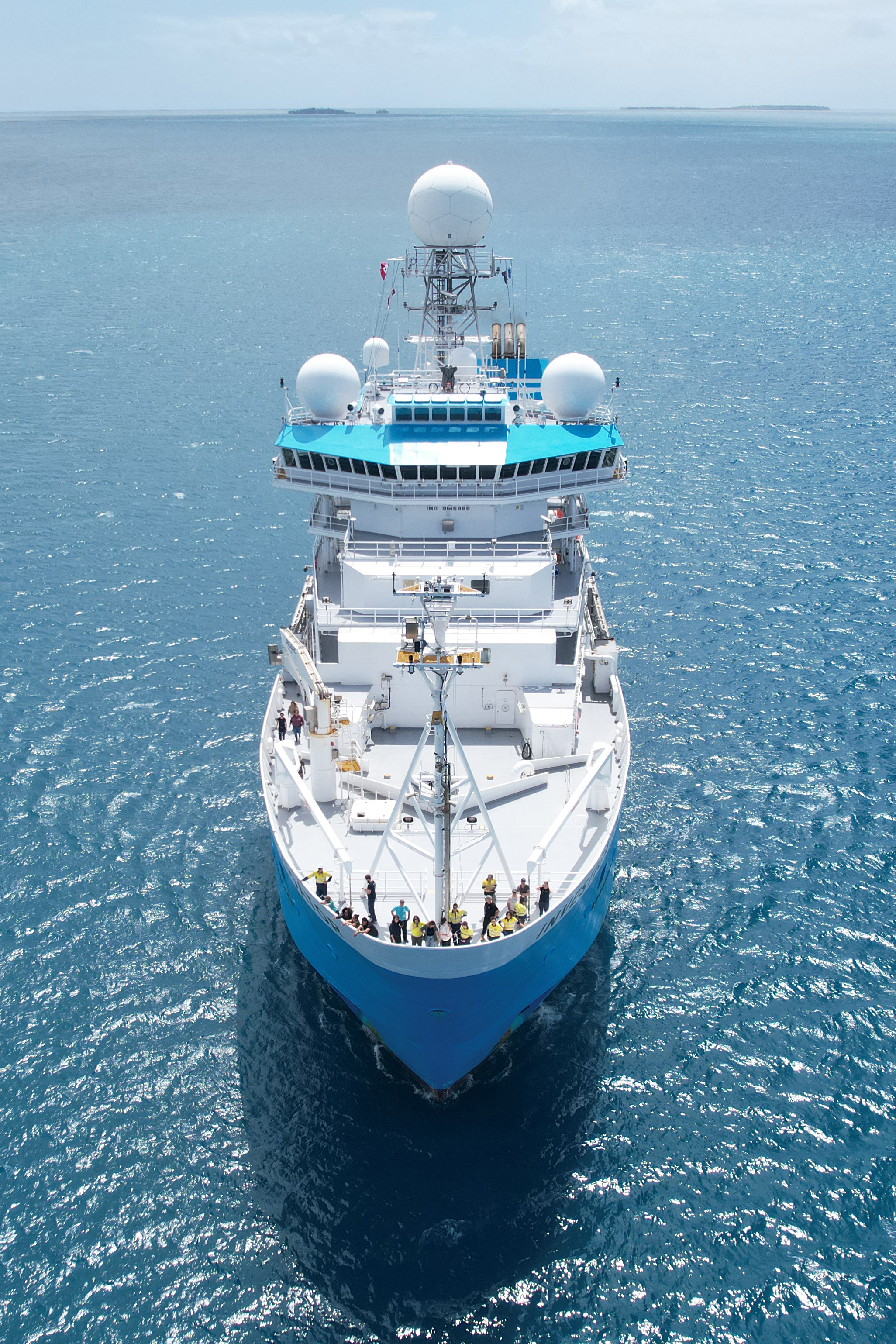 In 2025–26, the MNF continued a program of capability upgrades to enhance operational performance and scientific support offered by RV Investigator.
Upgrades in 2025–26 included closing out RV Investigator’s Middle of Life Refit activities across key science and vessel spaces, with the following completed:
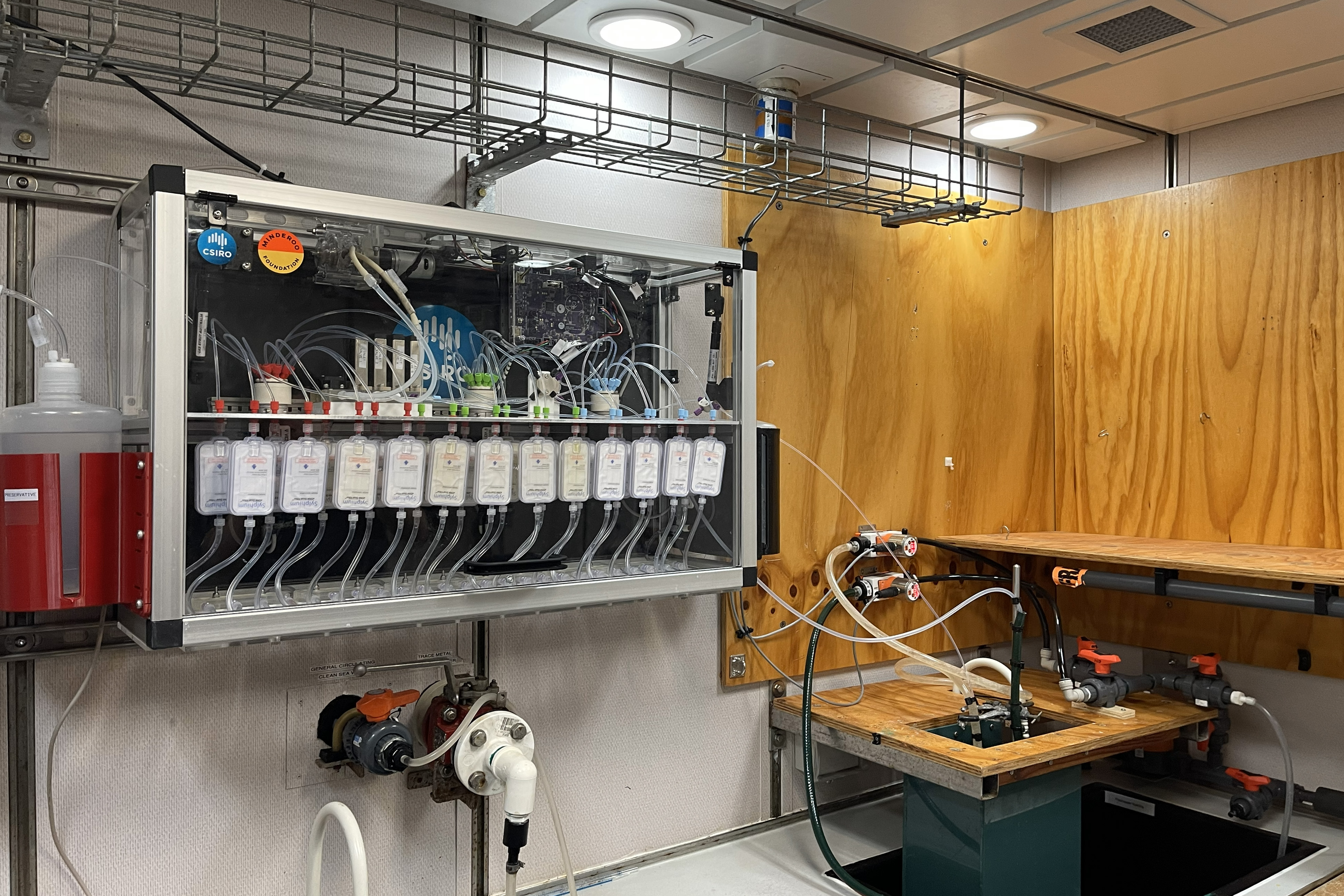
- General Purpose Wet Laboratory (Dirty) and Preservation Laboratory refurbishment to improve safety and functionality
Sheltered Science Area improvement works - watertight door sill replacements (with removeable inserts) to improve accessibility and manual workflow while maintaining safety of operations
- Main Deck improvements to enhance utility and operational workflow
- development, in collaboration with Minderoo Foundation, of an onboard environmental DNA (eDNA) sampling system to map marine species distribution and abundance while underway
- commissioning works for several instrument systems including the deep-sea side scan sonar donated by Fugro and CSIRO Deep Towed Camera MkII, capable of deployment to 6,000 metres.
Works also continued to enhance the vessel’s cyber security systems, including an uplift of digital capabilities, further enhancing and ensuring the security of the scientific services we offer the research community.
Looking over the horizon, the MNF Technology and Innovation Advisory Group (TIAG) is making a vital contribution to future capability planning and gathering input from the research community for capability priorities. TIAG provides the expertise to ensure MNF capability and infrastructure continue to meet the needs and priorities of the Australian Government and research community, now and into the future.
2025-26 snapshot
Delivering research for national impact
 RV Investigator delivered a notable range of research during 2025–26, in both scientific and geographic scope. Voyages were conducted from the east to west coasts of Australia, across the Southern Ocean to Antarctica and across the Pacific Ocean to Tonga. Research teams investigated the impact of natural disasters on island nations, the response of Antarctic ecosystems to climate change, how ocean dynamics shape our marine environments, and the abundance and diversity of life in our offshore waters.
As Australia’s only dedicated ocean research vessel, designed to be a turn-key solution to enable multidisciplinary research for national benefit, RV Investigator continues to meet its assignment.
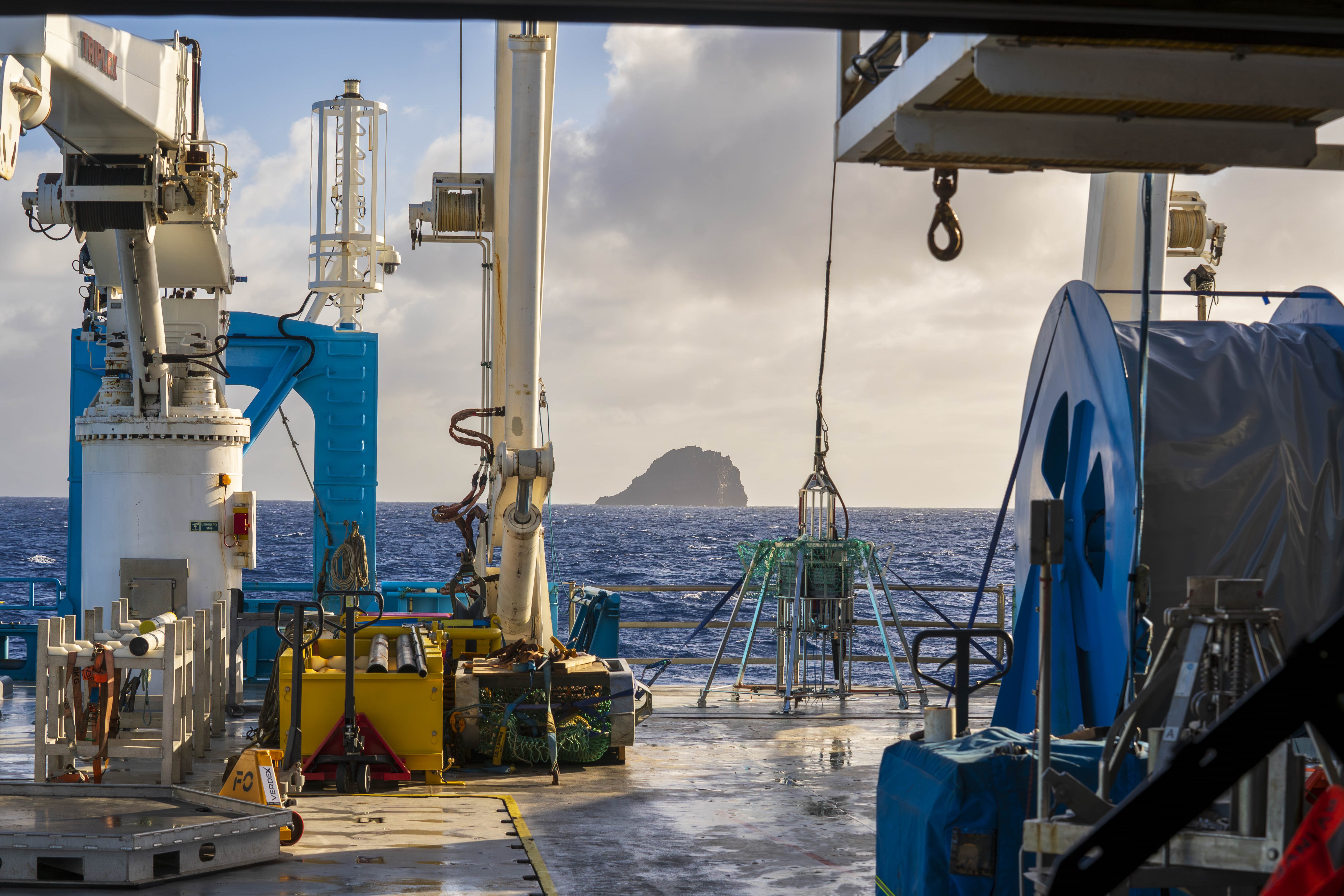
During 2025–26, the vessel travelled more than 35,000 nautical miles to deliver 11 voyages: 6 research voyages, 3 transit voyages and 2 sea trial and calibration voyages. Research voyages included primary projects related to biological, geoscience and oceanographic research, along with additional projects related to these disciplines, atmospheric science and cultural and maritime heritage research.
In addition, all voyages include sustained observations via distributed sensors on RV Investigator which gather atmospheric, biological, geoscience and oceanographic data while underway. These data contribute to national and global scientific initiatives, increasing our understanding of the global marine environment. The MNF also continued to offer foundational training opportunities to develop future generations of marine experts for Australia, including via the Collaborative Australian Postgraduate Sea Training Alliance Network (CAPSTAN) tertiary sea training program and the Indigenous Time at Sea Scholarship.
Infrastructure delivering impact
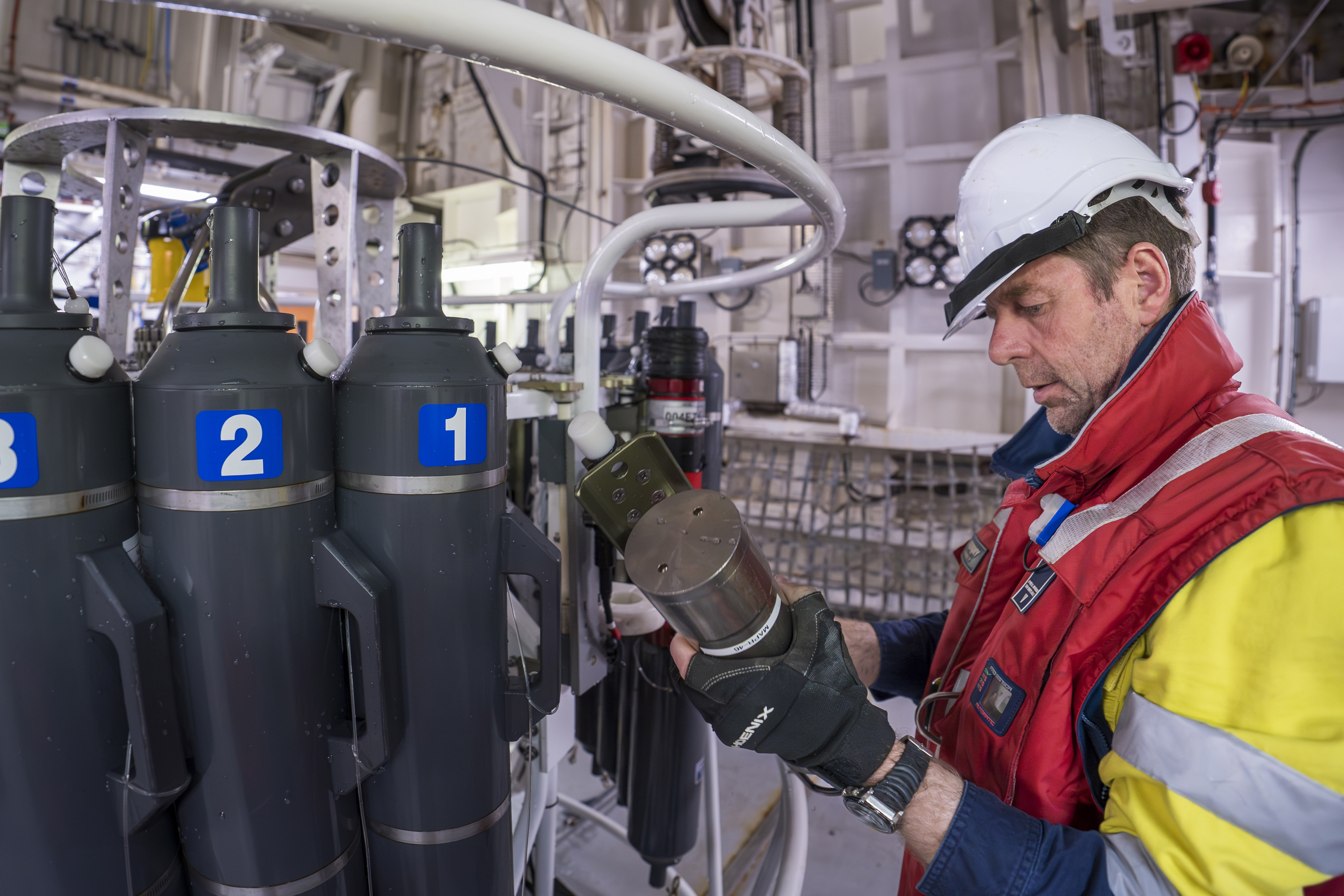 Since commissioning in 2014, RV Investigator has delivered 129 voyages to 30 June 2026. These voyages cover the full length, breadth and depth of Australia’s marine jurisdiction – from the Antarctic ice edge to the tropical northern waters to Australia’s remote offshore territories including Heard Island, the Indian Ocean Territories of Christmas and Cocos (Keeling) Islands and Macquarie Island, and east into the Pacific Ocean.
The research delivered by RV Investigator in 2025–26, and the knowledge it generates, will have diverse and far-reaching impacts including:
- supporting Pacific Island nations in managing natural disaster risks, protecting fisheries and food security and safeguarding submarine communications infrastructure
- improving ocean forecasting off Australia’s west coast to better support search and rescue, safe and efficient navigation, pollution response and marine management
- increasing our knowledge of underwater cultural heritage along the east coast of Australia, as well as elevating and respecting the role of Traditional Owners in the delivery of marine science on Sea Country
- sustaining long-term observations of the Southern Ocean to monitor for climate change, ocean acidification, and biological carbon cycling
understanding the biodiversity and ecosystems of the Australian Marine Park network to help inform conservation management planning.
Supporting the translation of data to knowledge to action, 51 peer‑reviewed research publications were recorded in 2025–26 using data generated from RV Investigator voyages, contributing to the growing body of research helping to deepen our understanding of Australia’s marine environment.
During 2025–26, the tally of species new to science that RV Investigator voyages have helped describe reached 187, with 19 new species added to the list. Scientists also announced they had identified several hundred new marine species from three recent voyages including the 2025 Coral Sea Frontier voyage. These species are now awaiting description and naming by marine taxonomists.
RV Investigator’s impressive capabilities for deep‑sea exploration continue to turn wonder into discovery and capture the public interest.
CASE STUDY 1: Delivering Antarctic science for Australia
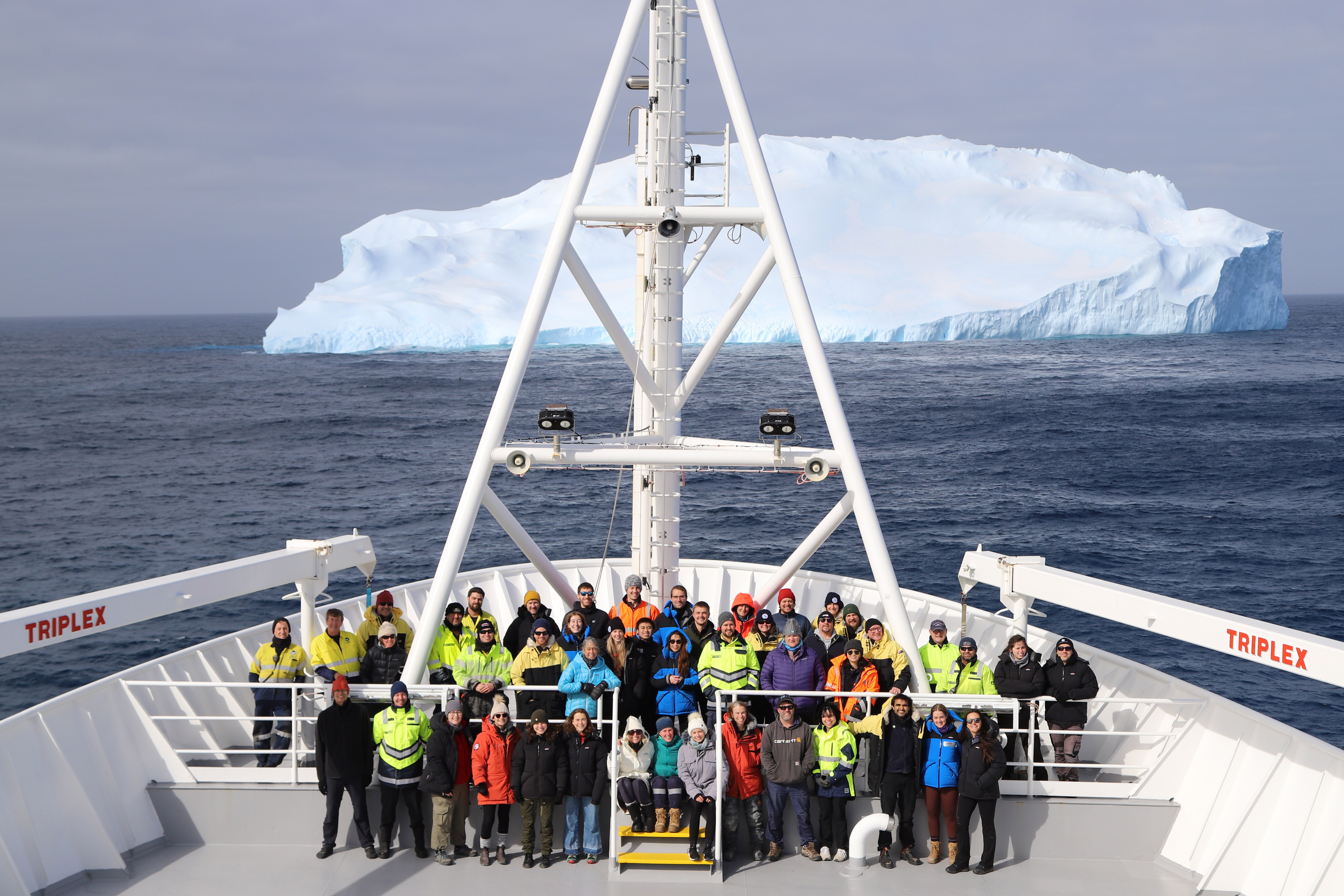
Navigating monolithic icebergs, massive ocean waves and sub-zero snowstorms, RV Investigator is a workhorse for Antarctic science. Since coming into operation in 2014, the vessel has delivered seven dedicated Antarctic voyages, spending the equivalent of one full year at sea delivering crucial research in the Antarctic region. These voyages have extended Australia’s understanding of the biology, geology, ocean dynamics and atmosphere in this remote region, and contributed to initiatives including the Australian Antarctic Program Partnership, Australian Centre for Excellence in Antarctic Science and Securing Antarctica’s Environmental Future.
The most recent voyage, the 2026 Cook Ice Ecosystems and Sediments (COOKIES) voyage has provided fundamental data on bathymetry, oceanography, biodiversity and productivity in the Cook Ice Shelf marine region, a little studied region vulnerable to climate change in East Antarctica. Voyage data will inform ice sheet models for understanding sea level impacts on Australia and improve Antarctic ecosystem management.
Read more: A milestone voyage for Antarctic science
Voyage map
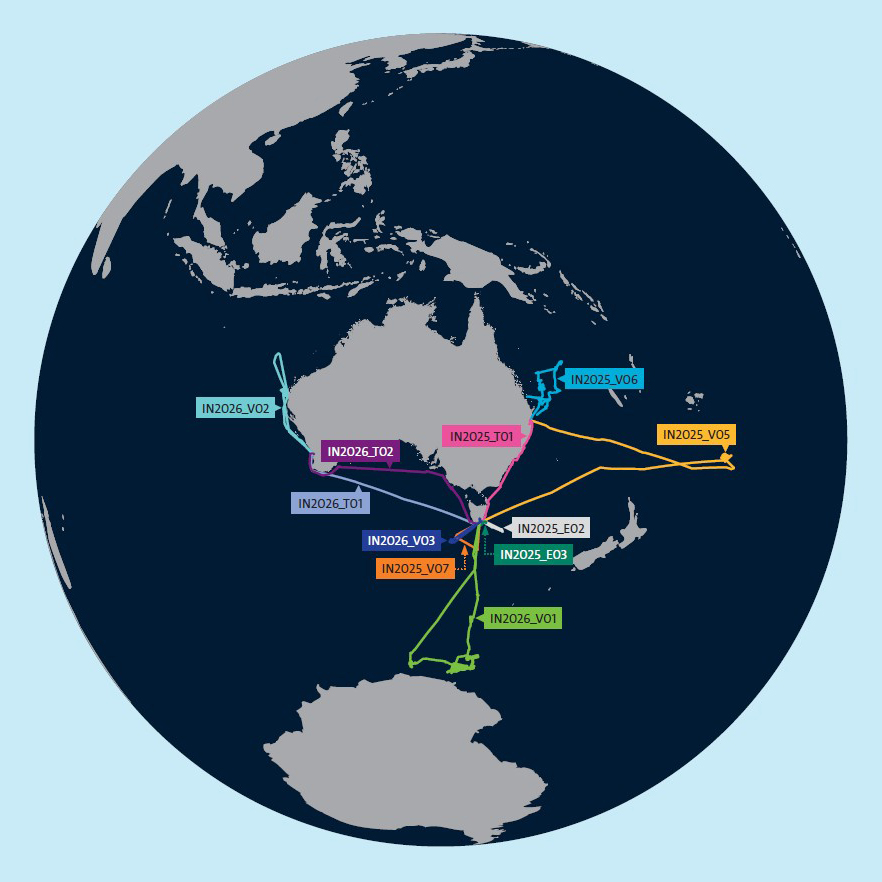
Voyages delivered
JULY 2025
IN2025_V07 Mooring recovery from the Southern Ocean
1 July to 6 July 2025 | Unscheduled voyage | Hobart to Hobart | MNF
RV Investigator conducted an unscheduled 6-day voyage to recover the Southern Ocean Flux Station (SOFS) mooring that had broken loose from its anchored location in the Southern Ocean. The voyage was successfully planned and safely delivered at short notice, demonstrating the expertise, capability and flexibility of the MNF team.
AUGUST 2025
IN2025_V05 Tonga’s eruption of the century
 10 August to 1 October 2025 | Geoscience | Hobart to Brisbane | University of Tasmania
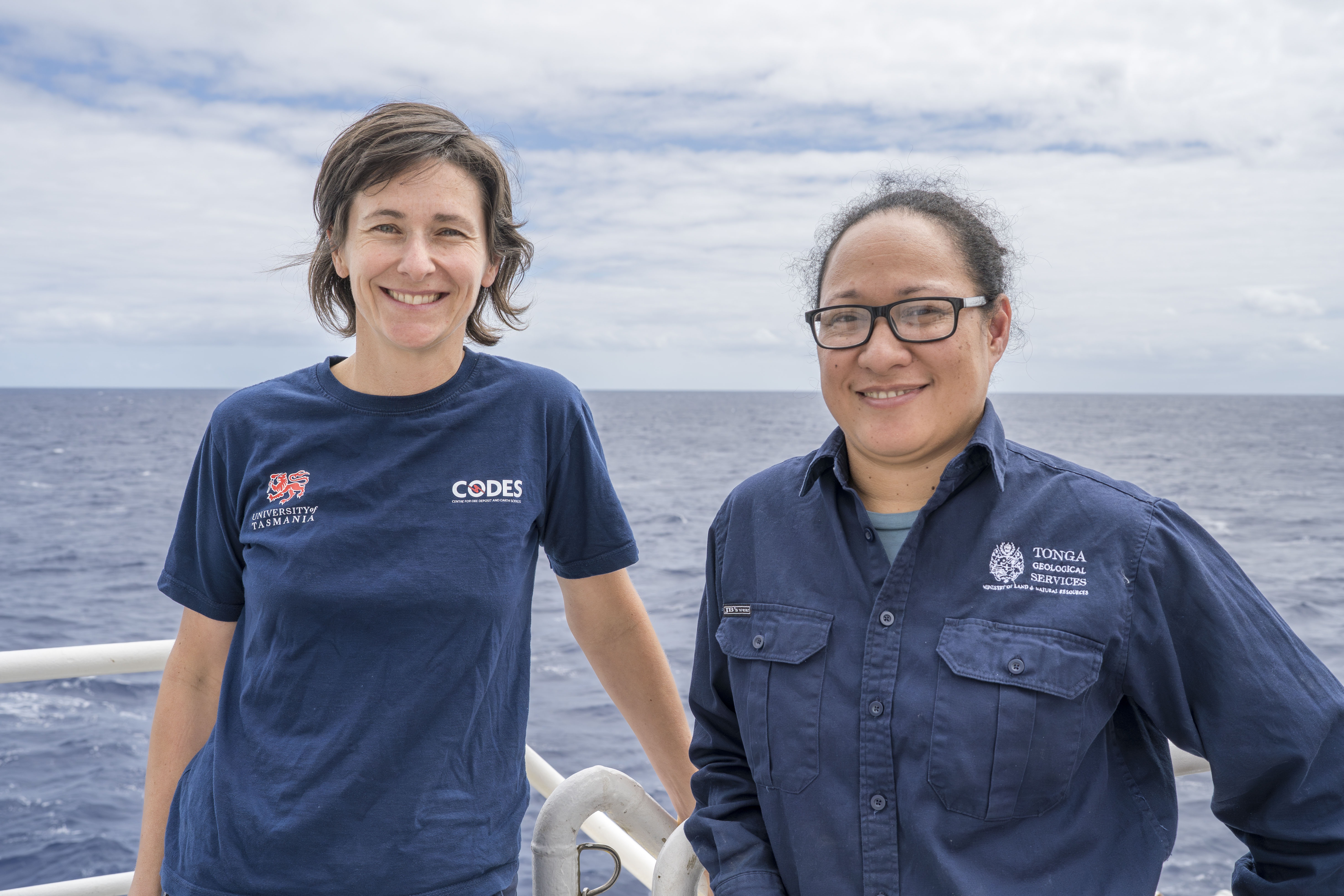
Led by Dr Rebecca Carey, an international research team investigated the eruption, destruction and seafloor ecosystem recovery following the 2022 eruption of the Hunga Volcano in Tonga. The 54-day voyage included representatives from the Tonga Geological Services, as well as researchers from Fiji, New Zealand, the United Kingdom and the United States.
The research has established new biodiversity and ecosystem-recovery baselines for Pacific fisheries and supports Pacific resilience by providing frontier knowledge of submarine eruption, crater formation and collapse processes to inform volcanic and tsunami hazard assessment. The voyage strengthened Australia’s regional scientific leadership and has laid the foundation for future engagement with Pacific neighbours.
OCTOBER 2025
IN2025_V06 The Coral Sea frontier
10 October to 14 November 2025 | Biological | Brisbane to Brisbane | CSIRO
The Coral Sea Marine Park is the largest marine park in Australian waters and reaches depths of 6,000 metres. Managed by Parks Australia, the marine park protects 34 vast reef areas and 67 cays and islets but is one of Australia’s least studied marine regions, especially in its deeper waters.
Led by Dr William White, a collaborative team of Australian researchers collected critical baseline data on biodiversity and seafloor habitats in the Coral Sea during this 36-day voyage. Over 6,000 fishes and 80,000 invertebrates were collected, and extensive mapping of the seafloor was undertaken. More than 110 species of fish and invertebrates have already been identified as new to science, and this number is likely to grow over time.
NOVEMBER 2025
IN2025_T01 Transit voyage: Brisbane to Hobart
 20 November to 27 November 2025 | Underwater Cultural Heritage | Brisbane to Hobart | MNF
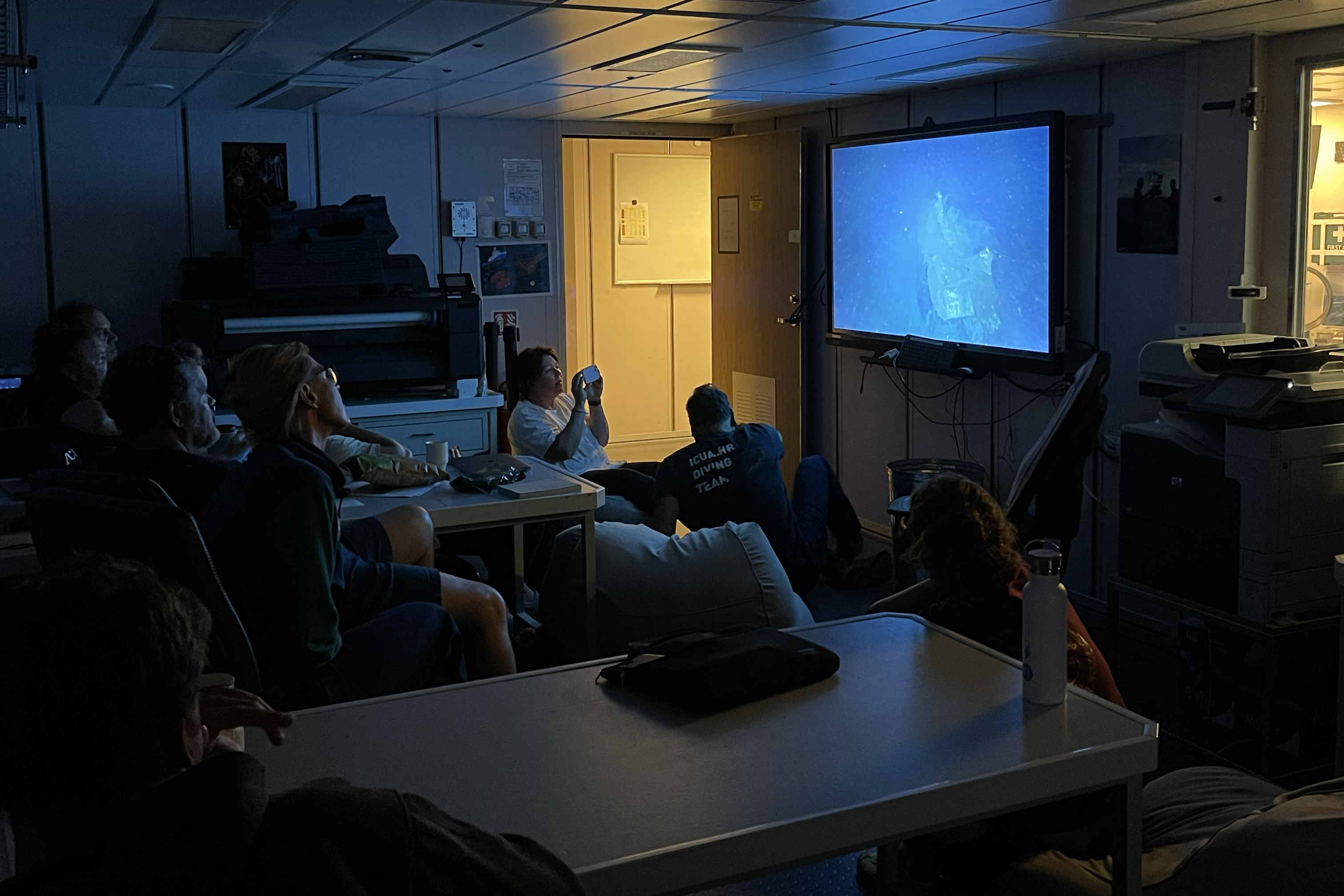
RV Investigator undertook an 8-day transit voyage from Brisbane to Hobart to relocate the vessel in preparation for its next research voyage. The transit was used as an opportunity to survey several shipwrecks along Australia’s east coast and explore two underwater Indigenous cultural landscapes in NSW waters in partnership with Traditional Owners of Sea Country and maritime heritage agencies at both state and national levels.
The voyage provided an important opportunity for the MNF to partner with key stakeholders with the potential to benefit from the advanced seafloor mapping capabilities offered by RV Investigator. The practical experience from this real-world research collaboration also assisted the MNF in the development of operational frameworks for underwater cultural heritage surveys, while concurrently generating lasting benefits for Traditional Owners and continuing custodians of Sea Country.
JANUARY 2026
IN2026_V01 Cook Ice Ecosystems and Sediments (COOKIES)
2 January to 26 February 2026 | Geoscience | Hobart to Hobart | University of Tasmania
Led by Dr Linda Armbrecht, a multinational research team undertook a 56-day voyage to the Cook Ice Shelf marine region in East Antarctica, a globally significant but little studied region that modelling suggests is especially vulnerable to climate change. Researchers investigated the region’s ice-sheet stability and ocean evolution, and how it has impacted marine ecosystem functions over the last one million years.
An extensive range of data and samples were collected during the voyage, including ocean and seafloor sediment samples for environmental and ancient DNA analysis. These fundamental data provide a new understanding of the bathymetry, oceanography, biodiversity and productivity in the Cook Ice Shelf marine region. They provide new insights into the seafloor life and ecosystems of East Antarctica, as well as identifying potential glacial refugia sites and allowing investigations into vulnerable marine ecosystems.
MARCH 2026
IN2026_T01 Transit voyage: Hobart to Fremantle
 6 March to 14 March 2026 | Sea trials and calibrations | Hobart to Fremantle | MNF
RV Investigator undertook a 9-day transit voyage from Hobart to Fremantle to relocate the vessel in preparation for its next research voyage. The transit was used as an opportunity to conduct staff training and capability development activities, principally with the vessel’s advanced multibeam echosounder suite which was upgraded during the 2024 dry docking.
Further development of two systems that have the potential to enhance RV Investigator’s underway science capabilities was also conducted: the ‘Jonathan’ automated seabird detecting camera and ‘GLOMBO’ (Globalising Marine Biodiversity Observations) autonomous genomic sampler system. These are being integrated into the vessel’s underway observation systems to improve the quality, breadth and accessibility of marine observations and datasets.
MARCH 2026
IN2026_V02 Quantifying the fine scale ocean dynamics of the Ningaloo Coast
16 March to 17 April 2026 | Oceanographic | Fremantle to Fremantle | University of Western Australia
Led by Dr Nicole Jones, a team of Australian researchers undertook a 33-day voyage to study the fine scale ocean dynamics of the Ningaloo Coast in Western Australia. Using RV Investigator’s extensive scientific capabilities, researchers were able to make accurate observations of fine scale ocean currents and combine these with novel real-time observation technologies to track these circulations through time, increasing our understanding of Ningaloo coast ocean dynamics and processes impacting reef productivity and health.
The outcomes from this research will directly support national interests in operational ocean forecasting, environmental management, search and rescue modelling, and offshore industry planning. The voyage data will be used to develop new algorithms for estimating surface currents from satellites, prototype high resolution current maps for the Ningaloo region, open access mooring and ship-based datasets, and improving ocean and climate models.
APRIL 2026
IN2026_T02 CAPSTAN sea training program
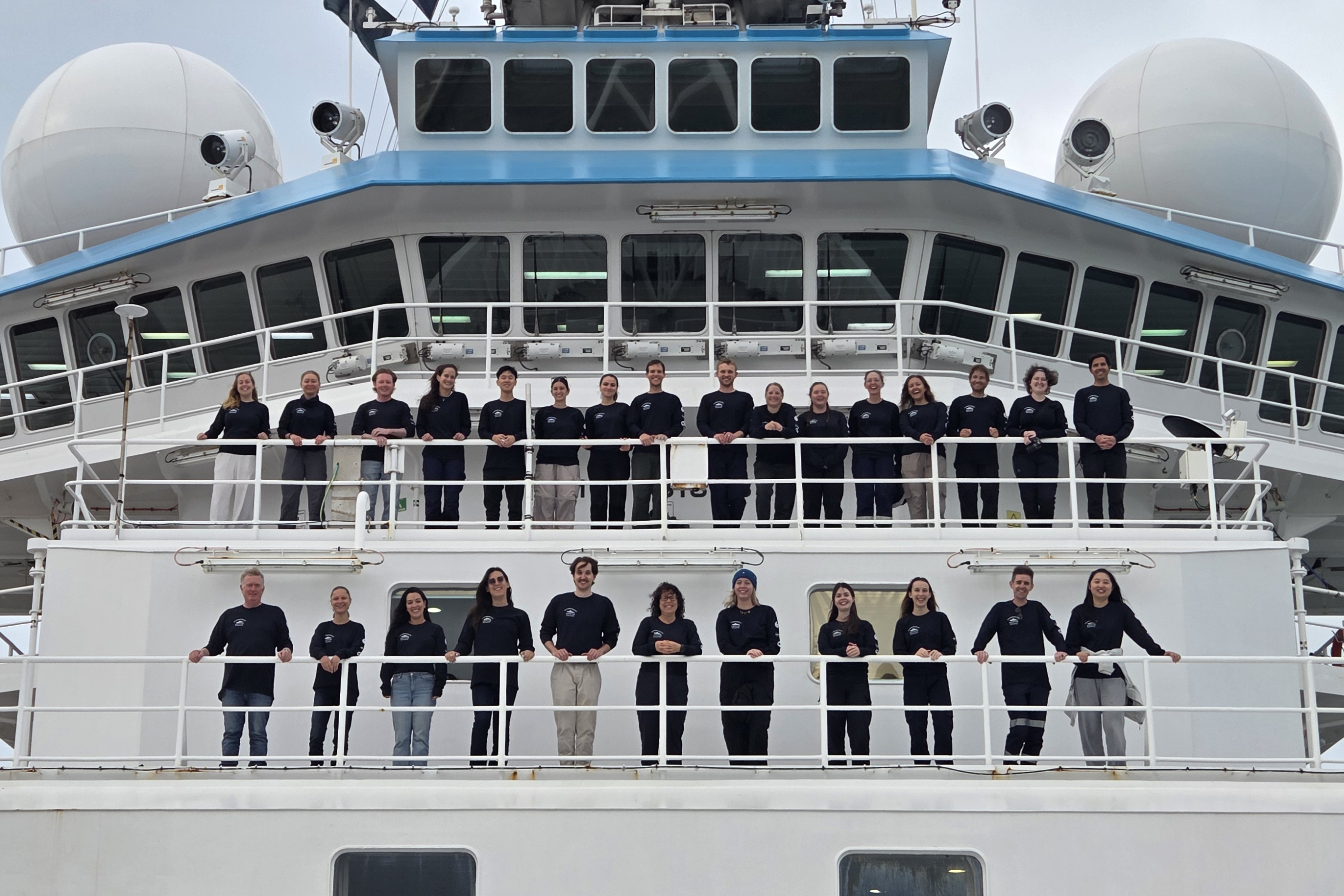 23 April to 5 May 2026 | Maritime training | Fremantle to Hobart | MNF
The Collaborative Australian Postgraduate Sea Training Alliance Network (CAPSTAN) is a maritime education and training initiative of CSIRO, the University of Tasmania’s Institute for Marine and Antarctic Studies (IMAS) and the Australian and New Zealand International Scientific Drilling Consortium (ANZIC). This voyage, the fifth in the program, provided 20 university students and 6 trainers with direct experience with the equipment, systems and techniques on board RV Investigator, as well as the opportunity to develop professional networks and experience life at sea.
During the voyage, students contributed to real-world research programs while learning how science is conducted at sea. Of note, offshore ocean data was collected to contribute to research into a persistent harmful algal bloom near Kangaroo Island in South Australia to support ongoing research by the South Australian Research and Development Institute. The voyage provided students with invaluable practical skills and insight into how large-scale marine science is conducted and has helped develop and inspire the next generation of ocean experts for Australia.
MAY 2026
IN2026_V03 SOTS: automated moorings for climate and carbon cycle studies in the Southern Ocean
14 May to 22 May 2026 | Oceanographic | Hobart to Hobart | Integrated Marine Observing System (IMOS)
The Southern Ocean is a key region in the global climate system but data from the region is limited and restricts our knowledge of how the ocean and atmosphere interact. Improved understanding is essential to enhance advice to the Australian Government on the impact of climate variability, develop future scenarios and impact assessments, and make optimal decisions to ensure the best future outcomes for Australia.
Led by CSIRO’s Dr Elizabeth Shadwick, this 9‑day voyage, part of a multi‑voyage collaboration between IMOS and CSIRO, maintained the Southern Ocean Time Series (SOTS) deep‑water moorings, the longest time series of Southern Ocean observations operated by any nation. The outcomes of this program make a significant contribution to the global effort to understand ocean dynamics and their role in climate and responses to anthropogenic emissions.
CASE STUDY 2: Building partnerships, knowledge and resilience in the Pacific
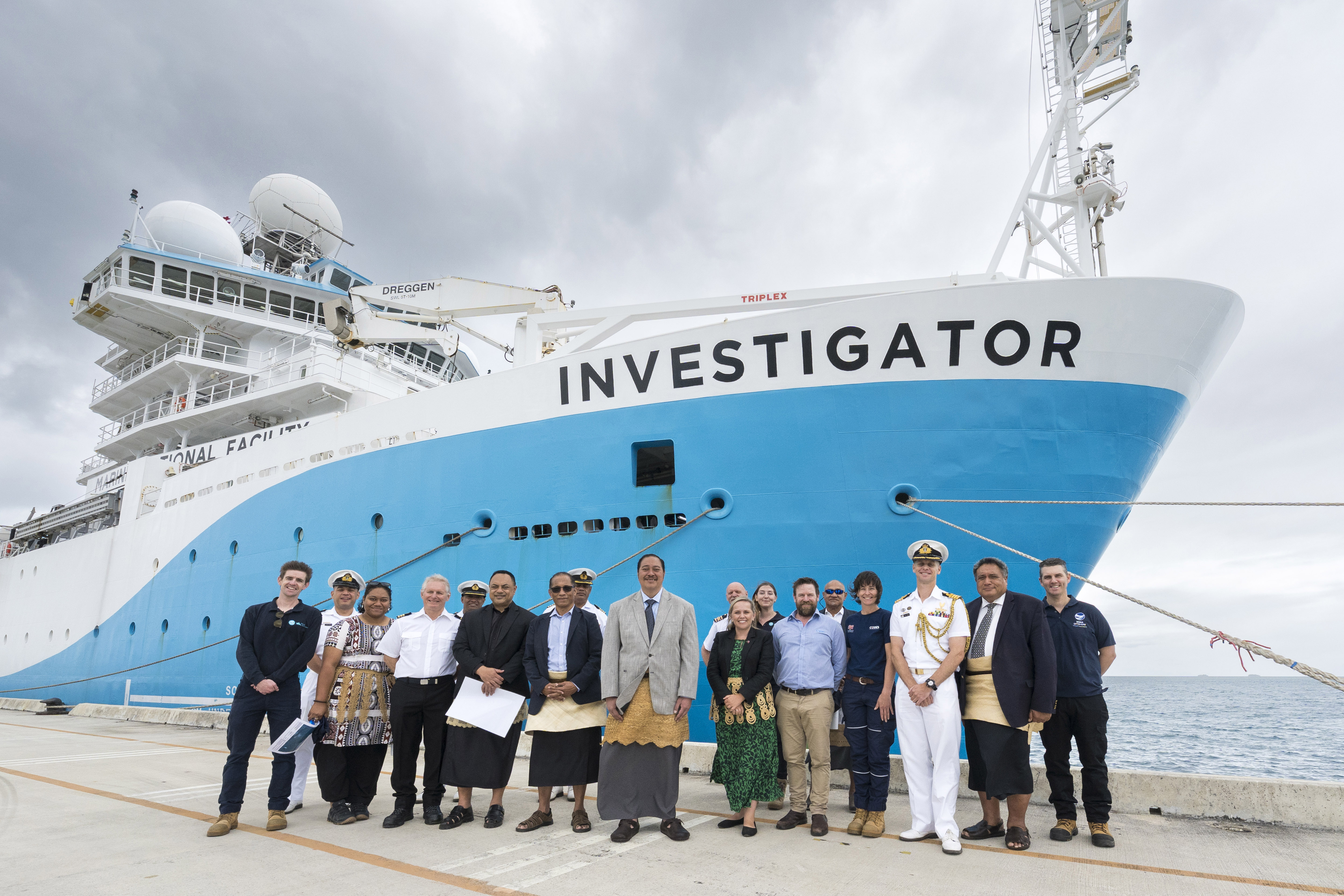
Australia is deeply committed to taking impactful and significant climate action at home and in partnership with our region. This includes Australia and Pacific Island countries working together in initiatives and research that seeks to understand the ocean that we share and to protect its health and resilience in the face of climate change, natural disasters and other challenges. Australia’s commitment to building regional resilience was illustrated in the 2025 voyage to Tonga to study the 2022 eruption of the Hunga Volcano.
Led by the University of Tasmania, the research was conducted in collaboration with the Tonga Geological Services and other Australian and international partners. The research outcomes are delivering crucial knowledge to support Pacific Island nations in managing natural disaster risks, including improving understanding of volcano-generated tsunami hazards, protecting fisheries and food security, and safeguarding submarine communications infrastructure that ensures Pacific Island nations remain connected to the wider world.
Read more: Scientists return with clues to uncover what led to the ‘eruption of the century’
Collaboration for national benefit
Collaboration is integral to the success of the MNF. In 2025–26, our research partners included:
National
- Australian Antarctic Division
- Australian Antarctic Program
- Australian Antarctic Program Partnership
- Australian Centre for Excellence in Antarctic Science
- Australian Government Department of Climate Change, Energy, the Environment and Water
- Australian Institute of Marine Science
- Australian Museum
- Australian National Maritime Museum
- Australian National University
- Bureau of Meteorology
- CSIRO
- Curtin University
- Deakin University
- Dunghutti Community
- Flinders University
- Geoscience Australia
- Griffith University
- Heritage South Australia
- Heritage Victoria
- Institute for Marine and Antarctic Studies
- Integrated Marine Observing System
- James Cook University
- Macquarie University
- Monash University
- Museums Victoria
- NSW Office of Environment and Heritage
- Ngambaa Community
- Nippon Foundation-Nekton Ocean Census
- Parks Australia
- Queensland University of Technology
- Securing Antarctica’s Environmental Future
- Tasmania Parks and Wildlife Services
- The University of Queensland
- University of Adelaide
- University of New South Wales
- University of Sydney
- University of Tasmania
- University of Technology Sydney
- University of Western Australia
- University of Wollongong
- University of the Sunshine Coast
- Western Australian Department of Biodiversity, Conservation and Attractions
- Western Australian Museum
International
- Auckland University of Technology (NZ)
- Colgate University (USA)
- Instituto di Scienze Polari (Italy)
- National Institute of Oceanography and Experimental Geophysics (Italy)
- National Institute of Water and Atmospheric Research (NZ)
- NORCE Research (Norway)
- San Jose State University (USA)
- Scripps Institution of Oceanography (USA)
- Social Empowerment and Education Programme (Fiji)
- Tonga Geological Services (Tonga)
- University of Auckland (NZ)
- University of California at Berkeley (USA)
- University of Exeter (UK)
- University of Otago (NZ)
- University of Rhode Island (USA)
- University of Siena (Italy)
- University of Southampton (UK)
- University of the South Pacific (Fiji)
- Vanderbilt University (USA)
CASE STUDY 3: Accelerating research impact through sustained observation and FAIR data
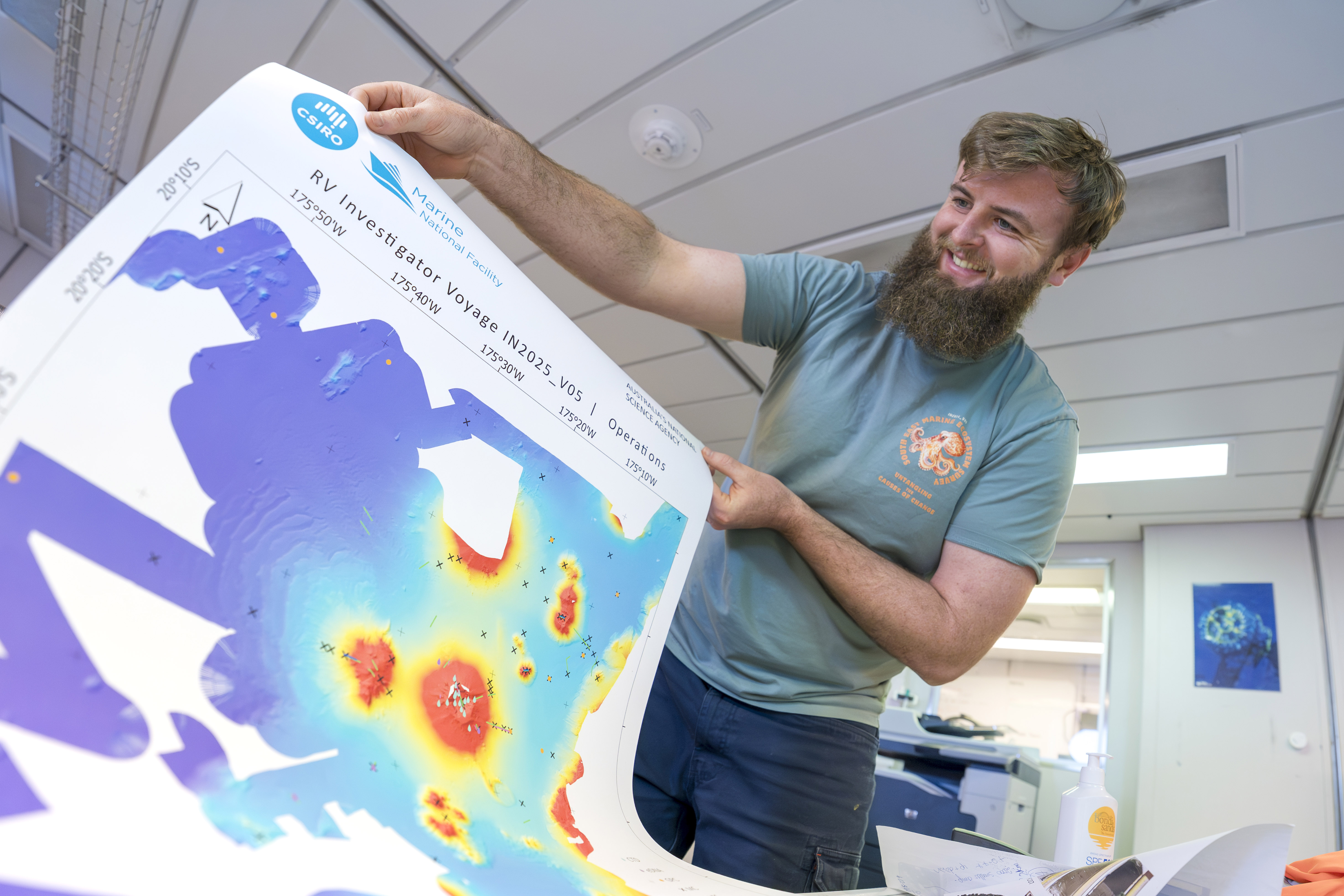
Every RV Investigator voyage delivers dual value to Australia through sustained collection of ocean and atmosphere observations, in tandem with research-led data collection. These observations contribute to national and international programs, steadily expanding our knowledge of Australia’s marine estate over time.
Twelve Essential Climate Variables (ECVs), which underpin the characterisation of Earth’s climate system, are routinely collected by RV Investigator, providing data required to understand climate change at a global scale. Collectively, they provide the empirical evidence to support climate science and better predict future change. Data collected from the Southern Ocean and Australia’s remote offshore regions are especially valuable because those regions have sparse observational records.
The MNF manages an extensive data repository. Data collected by RV Investigator and previous MNF vessels contributes to a range of national and international data repositories and programs, including the Australian Government’s AusSeabed, the Ocean Biodiversity Information System (OBIS), the Global Ocean Ship-Based Hydrographic Investigators Program (GO‑SHIP) and Intergovernmental Panel on Climate Change (IPCC) assessments.
All data gathered during voyages is archived and then made public once it has been processed and quality controlled in accordance with FAIR Principles. The MNF adopted FAIR Data Principles, and supporting standards, vocabularies and identifiers, almost a decade ago. FAIR Principles ensure that data and metadata are Findable, Accessible, Interoperable and Reusable and that it can be found, aggregated, and used to make new discoveries, through the harvest and analysis of multiple datasets and outputs.
Read more: Data through to information – Australia’s digital marine commons
Connecting with Australians
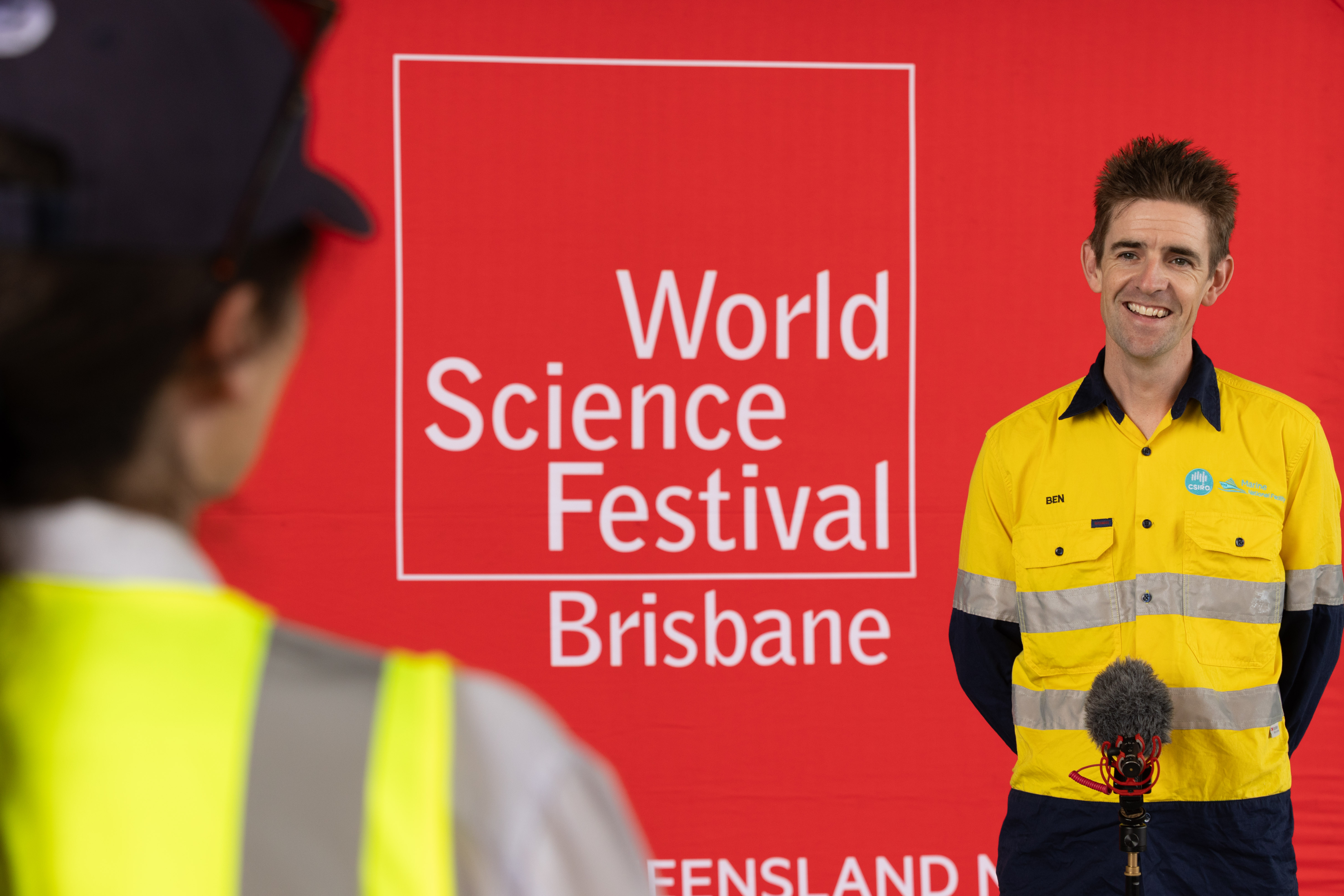 The MNF is committed to increasing scientific literacy within the community and deepening public understanding and appreciation of the marine environment. Every voyage offers opportunities to share stories about the people, activities, innovation, technology and engineering that combine to produce incredible science, discoveries and knowledge.
During the past year, we brought Australian audiences onboard every voyage, sharing amazing discoveries and providing behind the scenes access to what – and who – goes into delivering voyages aboard a 94-metre world-class ocean research vessel. Highlights included a 2.5 hour afternoon radio show broadcast from onboard RV Investigator, ship public open days in Hobart and Brisbane that saw more than 1,250 people explore above and below decks, and countless crosses to scientists at sea to share their voyage research and experiences with media, students and the wider public.
Across the journey, we earned more than 1,500 media items and reached an audience of more than 30 million people through media engagement alone, with social media, web content and education activities further extending audience reach. In collaboration with our many research partners, we shared the story of not just the incredible people, outcomes and discoveries from our voyages but also the many challenges – environmental, societal and economic – that the research helps to address, demonstrating how we all benefit from the knowledge generated.
Thank you to all our collaborators and contributors in 2025-26
Download the MNF Year in Review 2025-26:
CSIRO acknowledges the Traditional Owners of the land, sea and waters, of the area that we live and work on across Australia. We acknowledge their continuing connection to their culture and pay our respects to their Elders past and present.
View our vision towards reconciliation.
CSIRO Marine National Facility
Year-in-Review 2025-26
About the MNF
The CSIRO Marine National Facility (MNF) is Australia’s dedicated ocean research capability, enabling vital marine and atmospheric research across our vast marine estate. Funded by the Australian Government, including support from the National Collaborative Research Infrastructure Strategy (NCRIS), the MNF is operated by CSIRO, Australia’s national science agency, on behalf of the nation.
The MNF includes the advanced ocean‑class research vessel (RV) Investigator, a suite of specialist scientific equipment, technical staff and expertise, and more than 40 years of marine data. Operation of the MNF is overseen by an independent Steering Committee that reports to the CSIRO Board and sea time on RV Investigator is awarded by independent advisory committees through an annual competitive application process.
RV Investigator is landmark research infrastructure, serving as Australia's only dedicated ocean research vessel. It provides a turn-key solution to meet the diverse and multidisciplinary science needs of the marine research community to enable research for national benefit. The vessel offers an impressive capability and capacity for oceanographic, biological, atmospheric and geophysical research, as well as maritime heritage studies. In addition, RV Investigator provides a unique platform for technology testing and development, delivers crucial training opportunities for our future marine experts, and inspires public interest in the marine environment through engaging outreach and education initiatives.
RV Investigator was designed to accommodate research teams of 40 people, stay at sea for 60 days, and travel up to 10,000 nautical miles per voyage. The vessel is a hub for collaboration and enables multidisciplinary research from the Antarctic ice edge to the tropics. Through its 10-year strategy, MNF 2030, the MNF is fulfilling its mission to facilitate safe and excellent marine research to address the challenges facing Australia’s society, economy and environment.
RV Investigator is funded to deliver full year research operations until 2027–28.
From the Chair
Australia has the third largest marine jurisdiction of any country, encompassing vast and diverse ocean environments that are critical to the nation’s climate, biodiversity, culture, economy and security. Effective stewardship of this marine estate requires access to world-class research infrastructure capable of operating safely and reliably across remote and often challenging ocean environments.
The CSIRO Marine National Facility (MNF) provides this capability for Australia and continues to demonstrate its incredible return on investment. The MNF operates in an incredibly challenging physical and logistical environment requiring highly specialised operational and logistics expertise. The team delivers complex voyage schedules that include multidisciplinary research projects, partners and collaborators. Many of these voyages are conducted in some of the most remote and extreme environments on the planet.
In my third year as Chair of the MNF Steering Committee, I continue to be impressed by the achievements and output of the MNF, its partners and collaborators. Through a nationally coordinated access model and a commitment to open data, the MNF ensures strong integration with national environmental research infrastructure and science programs.
As this Year in Review highlights, this model supports research spanning marine biodiversity, climate change, ocean and atmospheric monitoring, natural hazard resilience and seabed mapping. While the MNF enables this research, it doesn’t deliver it alone. The MNF’s success is built on the strength of Australia’s marine research ecosystem, and the ability to bring together government agencies, universities, research organisations and industry to address shared challenges for national benefit.
Reflecting on the past 12 months, the achievements captured in this Year in Review once again demonstrate why the MNF is one of Australia’s most important pieces of national research infrastructure, delivering essential marine data to support long‑term scientific research and policy development. These benefits extend from researchers and their institutions to governments, industry and the wider community.
These achievements would not be possible without the skill, dedication and professionalism of the MNF team, ship officers and crew working together with researchers and collaborators from Australia and around the world. I commend and thank all who have contributed to the success of the past year.
I am excited to be able to share with you the CSIRO Marine National Facility Year in Review 2025–26.
Anne-Marie Lansdown
Chair, MNF Steering Committee
From the Director
From the Antarctic ice edge to tropical islands in the Pacific Ocean and spanning the seas and oceans from Australia’s east to west coasts, the past year has delivered marine science that deepens our understanding of the ocean and benefits communities across Australia and beyond.
The CSIRO Marine National Facility (MNF) represents a fundamental national capability combining a purpose-built research vessel, specialist expertise, advanced scientific systems and integrated data management within a single integrated facility. The MNF excels in enabling complex scientific operations in harsh and remote environments, and never has this been more clearly illustrated than in the voyages delivered in 2025–26.
The MNF operates within a dynamic strategic environment shaped by emerging national priorities in biodiversity conservation, climate resilience, sustainable ocean management and marine technology. Through long-term capability planning, strong governance, stakeholder engagement, and ongoing investment in infrastructure and scientific capability, the MNF remains responsive to evolving research needs while maximising national benefit from public investment.
It has been a busy year for the MNF team. We welcomed 211 researchers and 44 students onboard RV Investigator, including participants from eight countries. RV Investigator travelled over 35,000 nautical miles collecting more than 84 terabytes of data and mapping more than 300,000 km2 of seafloor, including mapping to a depth of 9,888 metres in the Tonga Trench, the deepest point mapped by any MNF vessel.
Despite operating in dynamic and unpredictable conditions, the MNF team, ship officers and crew, in partnership with our voyage partners, continue to safely deliver an incredibly complex program of marine research, which this year included navigating around a tropical cyclone.
In a year of both incredible challenges and achievements, the MNF maintained a primary focus on looking after the health and safety of our people and the environment. I commend all our people in this commitment. This enables our teams, partners and collaborators to deliver robust, high-impact science and generate knowledge to support Australia’s people, economy and environment.
The MNF is committed to creating meaningful opportunities for Aboriginal and Torres Strait Islander peoples to participate in, influence and lead marine research. Through our Indigenous Time at Sea Scholarship, which offers at sea training for Indigenous students, as well as co-designing voyages with Traditional Owners, we are building greater participation in marine science and strengthening connections with Indigenous knowledge holders. We are also developing a Marine Science on Sea Country Framework, an important step towards elevating traditional knowledge systems and respecting Indigenous rights across the way we plan, undertake and support marine research.
Over the past year, we have collaborated closely with our stakeholders, partners and the research community to ensure the MNF continues to deliver maximum benefit for Australia. Together, we have strengthened national and research partnerships, inspired the next generation of marine scientists, and contributed to environmental management, biodiversity conservation, climate resilience and sustainable ocean use.
It is with great pride that I share with you the CSIRO Marine National Facility Year in Review 2025–26. I hope you enjoy hearing about the incredible achievements from our collaborative efforts over the past 12 months. Congratulations and thank you to all those on ship and on shore who made this year possible.
Toni Moate
Director, CSIRO Marine National Facility
Celebrating 20 years of collaboration with IMOS
A significant milestone was reached during the past year as we celebrated 20 years of scientific collaboration between the Integrated Marine Observing System (IMOS) and the MNF.
For two decades, IMOS has provided the foundation for sustained Australian marine and climate observations, including via the vital Southern Ocean Time Series (SOTS) observatory which is operated in collaboration with the MNF.
The SOTS observatory has sustained the longest time series of Southern Ocean observations by any nation, contributing to the global effort to monitor for climate change, ocean acidification, and biological carbon cycling. It is maintained through ongoing grants of sea time on RV Investigator from the MNF and delivers crucial data in this under-sampled region to ensure we understand Southern Ocean dynamics and their role in climate and responses to anthropogenic emissions.
IMOS and the MNF are national research infrastructure supported by the Australian Government through the National Collaborative Research Infrastructure Strategy (NCRIS).
Enhancing our future capability
In 2025–26, the MNF continued a program of capability upgrades to enhance operational performance and scientific support offered by RV Investigator.
Upgrades in 2025–26 included closing out RV Investigator’s Middle of Life Refit activities across key science and vessel spaces, with the following completed:
- General Purpose Wet Laboratory (Dirty) and Preservation Laboratory refurbishment to improve safety and functionality
Sheltered Science Area improvement works - watertight door sill replacements (with removeable inserts) to improve accessibility and manual workflow while maintaining safety of operations
- Main Deck improvements to enhance utility and operational workflow
- development, in collaboration with Minderoo Foundation, of an onboard environmental DNA (eDNA) sampling system to map marine species distribution and abundance while underway
- commissioning works for several instrument systems including the deep-sea side scan sonar donated by Fugro and CSIRO Deep Towed Camera MkII, capable of deployment to 6,000 metres.
Works also continued to enhance the vessel’s cyber security systems, including an uplift of digital capabilities, further enhancing and ensuring the security of the scientific services we offer the research community.
Looking over the horizon, the MNF Technology and Innovation Advisory Group (TIAG) is making a vital contribution to future capability planning and gathering input from the research community for capability priorities. TIAG provides the expertise to ensure MNF capability and infrastructure continue to meet the needs and priorities of the Australian Government and research community, now and into the future.
2025-26 snapshot
Delivering research for national impact
RV Investigator delivered a notable range of research during 2025–26, in both scientific and geographic scope. Voyages were conducted from the east to west coasts of Australia, across the Southern Ocean to Antarctica and across the Pacific Ocean to Tonga. Research teams investigated the impact of natural disasters on island nations, the response of Antarctic ecosystems to climate change, how ocean dynamics shape our marine environments, and the abundance and diversity of life in our offshore waters.
As Australia’s only dedicated ocean research vessel, designed to be a turn-key solution to enable multidisciplinary research for national benefit, RV Investigator continues to meet its assignment.
During 2025–26, the vessel travelled more than 35,000 nautical miles to deliver 11 voyages: 6 research voyages, 3 transit voyages and 2 sea trial and calibration voyages. Research voyages included primary projects related to biological, geoscience and oceanographic research, along with additional projects related to these disciplines, atmospheric science and cultural and maritime heritage research.
In addition, all voyages include sustained observations via distributed sensors on RV Investigator which gather atmospheric, biological, geoscience and oceanographic data while underway. These data contribute to national and global scientific initiatives, increasing our understanding of the global marine environment. The MNF also continued to offer foundational training opportunities to develop future generations of marine experts for Australia, including via the Collaborative Australian Postgraduate Sea Training Alliance Network (CAPSTAN) tertiary sea training program and the Indigenous Time at Sea Scholarship.
Infrastructure delivering impact
Since commissioning in 2014, RV Investigator has delivered 129 voyages to 30 June 2026. These voyages cover the full length, breadth and depth of Australia’s marine jurisdiction – from the Antarctic ice edge to the tropical northern waters to Australia’s remote offshore territories including Heard Island, the Indian Ocean Territories of Christmas and Cocos (Keeling) Islands and Macquarie Island, and east into the Pacific Ocean.
The research delivered by RV Investigator in 2025–26, and the knowledge it generates, will have diverse and far-reaching impacts including:
- supporting Pacific Island nations in managing natural disaster risks, protecting fisheries and food security and safeguarding submarine communications infrastructure
- improving ocean forecasting off Australia’s west coast to better support search and rescue, safe and efficient navigation, pollution response and marine management
- increasing our knowledge of underwater cultural heritage along the east coast of Australia, as well as elevating and respecting the role of Traditional Owners in the delivery of marine science on Sea Country
- sustaining long-term observations of the Southern Ocean to monitor for climate change, ocean acidification, and biological carbon cycling
understanding the biodiversity and ecosystems of the Australian Marine Park network to help inform conservation management planning.
Supporting the translation of data to knowledge to action, 51 peer‑reviewed research publications were recorded in 2025–26 using data generated from RV Investigator voyages, contributing to the growing body of research helping to deepen our understanding of Australia’s marine environment.
During 2025–26, the tally of species new to science that RV Investigator voyages have helped describe reached 187, with 19 new species added to the list. Scientists also announced they had identified several hundred new marine species from three recent voyages including the 2025 Coral Sea Frontier voyage. These species are now awaiting description and naming by marine taxonomists.
RV Investigator’s impressive capabilities for deep‑sea exploration continue to turn wonder into discovery and capture the public interest.
CASE STUDY 1: Delivering Antarctic science for Australia
Navigating monolithic icebergs, massive ocean waves and sub-zero snowstorms, RV Investigator is a workhorse for Antarctic science. Since coming into operation in 2014, the vessel has delivered seven dedicated Antarctic voyages, spending the equivalent of one full year at sea delivering crucial research in the Antarctic region. These voyages have extended Australia’s understanding of the biology, geology, ocean dynamics and atmosphere in this remote region, and contributed to initiatives including the Australian Antarctic Program Partnership, Australian Centre for Excellence in Antarctic Science and Securing Antarctica’s Environmental Future.
The most recent voyage, the 2026 Cook Ice Ecosystems and Sediments (COOKIES) voyage has provided fundamental data on bathymetry, oceanography, biodiversity and productivity in the Cook Ice Shelf marine region, a little studied region vulnerable to climate change in East Antarctica. Voyage data will inform ice sheet models for understanding sea level impacts on Australia and improve Antarctic ecosystem management.
Read more: A milestone voyage for Antarctic science
Voyage map
Voyages delivered
JULY 2025
IN2025_V07 Mooring recovery from the Southern Ocean
1 July to 6 July 2025 | Unscheduled voyage | Hobart to Hobart | MNF
RV Investigator conducted an unscheduled 6-day voyage to recover the Southern Ocean Flux Station (SOFS) mooring that had broken loose from its anchored location in the Southern Ocean. The voyage was successfully planned and safely delivered at short notice, demonstrating the expertise, capability and flexibility of the MNF team.
AUGUST 2025
IN2025_V05 Tonga’s eruption of the century
10 August to 1 October 2025 | Geoscience | Hobart to Brisbane | University of Tasmania
Led by Dr Rebecca Carey, an international research team investigated the eruption, destruction and seafloor ecosystem recovery following the 2022 eruption of the Hunga Volcano in Tonga. The 54-day voyage included representatives from the Tonga Geological Services, as well as researchers from Fiji, New Zealand, the United Kingdom and the United States.
The research has established new biodiversity and ecosystem-recovery baselines for Pacific fisheries and supports Pacific resilience by providing frontier knowledge of submarine eruption, crater formation and collapse processes to inform volcanic and tsunami hazard assessment. The voyage strengthened Australia’s regional scientific leadership and has laid the foundation for future engagement with Pacific neighbours.
OCTOBER 2025
IN2025_V06 The Coral Sea frontier
10 October to 14 November 2025 | Biological | Brisbane to Brisbane | CSIRO
The Coral Sea Marine Park is the largest marine park in Australian waters and reaches depths of 6,000 metres. Managed by Parks Australia, the marine park protects 34 vast reef areas and 67 cays and islets but is one of Australia’s least studied marine regions, especially in its deeper waters.
Led by Dr William White, a collaborative team of Australian researchers collected critical baseline data on biodiversity and seafloor habitats in the Coral Sea during this 36-day voyage. Over 6,000 fishes and 80,000 invertebrates were collected, and extensive mapping of the seafloor was undertaken. More than 110 species of fish and invertebrates have already been identified as new to science, and this number is likely to grow over time.
NOVEMBER 2025
IN2025_T01 Transit voyage: Brisbane to Hobart
20 November to 27 November 2025 | Underwater Cultural Heritage | Brisbane to Hobart | MNF
RV Investigator undertook an 8-day transit voyage from Brisbane to Hobart to relocate the vessel in preparation for its next research voyage. The transit was used as an opportunity to survey several shipwrecks along Australia’s east coast and explore two underwater Indigenous cultural landscapes in NSW waters in partnership with Traditional Owners of Sea Country and maritime heritage agencies at both state and national levels.
The voyage provided an important opportunity for the MNF to partner with key stakeholders with the potential to benefit from the advanced seafloor mapping capabilities offered by RV Investigator. The practical experience from this real-world research collaboration also assisted the MNF in the development of operational frameworks for underwater cultural heritage surveys, while concurrently generating lasting benefits for Traditional Owners and continuing custodians of Sea Country.
JANUARY 2026
IN2026_V01 Cook Ice Ecosystems and Sediments (COOKIES)
2 January to 26 February 2026 | Geoscience | Hobart to Hobart | University of Tasmania
Led by Dr Linda Armbrecht, a multinational research team undertook a 56-day voyage to the Cook Ice Shelf marine region in East Antarctica, a globally significant but little studied region that modelling suggests is especially vulnerable to climate change. Researchers investigated the region’s ice-sheet stability and ocean evolution, and how it has impacted marine ecosystem functions over the last one million years.
An extensive range of data and samples were collected during the voyage, including ocean and seafloor sediment samples for environmental and ancient DNA analysis. These fundamental data provide a new understanding of the bathymetry, oceanography, biodiversity and productivity in the Cook Ice Shelf marine region. They provide new insights into the seafloor life and ecosystems of East Antarctica, as well as identifying potential glacial refugia sites and allowing investigations into vulnerable marine ecosystems.
MARCH 2026
IN2026_T01 Transit voyage: Hobart to Fremantle
6 March to 14 March 2026 | Sea trials and calibrations | Hobart to Fremantle | MNF
RV Investigator undertook a 9-day transit voyage from Hobart to Fremantle to relocate the vessel in preparation for its next research voyage. The transit was used as an opportunity to conduct staff training and capability development activities, principally with the vessel’s advanced multibeam echosounder suite which was upgraded during the 2024 dry docking.
Further development of two systems that have the potential to enhance RV Investigator’s underway science capabilities was also conducted: the ‘Jonathan’ automated seabird detecting camera and ‘GLOMBO’ (Globalising Marine Biodiversity Observations) autonomous genomic sampler system. These are being integrated into the vessel’s underway observation systems to improve the quality, breadth and accessibility of marine observations and datasets.
MARCH 2026
IN2026_V02 Quantifying the fine scale ocean dynamics of the Ningaloo Coast
16 March to 17 April 2026 | Oceanographic | Fremantle to Fremantle | University of Western Australia
Led by Dr Nicole Jones, a team of Australian researchers undertook a 33-day voyage to study the fine scale ocean dynamics of the Ningaloo Coast in Western Australia. Using RV Investigator’s extensive scientific capabilities, researchers were able to make accurate observations of fine scale ocean currents and combine these with novel real-time observation technologies to track these circulations through time, increasing our understanding of Ningaloo coast ocean dynamics and processes impacting reef productivity and health.
The outcomes from this research will directly support national interests in operational ocean forecasting, environmental management, search and rescue modelling, and offshore industry planning. The voyage data will be used to develop new algorithms for estimating surface currents from satellites, prototype high resolution current maps for the Ningaloo region, open access mooring and ship-based datasets, and improving ocean and climate models.
APRIL 2026
IN2026_T02 CAPSTAN sea training program
23 April to 5 May 2026 | Maritime training | Fremantle to Hobart | MNF
The Collaborative Australian Postgraduate Sea Training Alliance Network (CAPSTAN) is a maritime education and training initiative of CSIRO, the University of Tasmania’s Institute for Marine and Antarctic Studies (IMAS) and the Australian and New Zealand International Scientific Drilling Consortium (ANZIC). This voyage, the fifth in the program, provided 20 university students and 6 trainers with direct experience with the equipment, systems and techniques on board RV Investigator, as well as the opportunity to develop professional networks and experience life at sea.
During the voyage, students contributed to real-world research programs while learning how science is conducted at sea. Of note, offshore ocean data was collected to contribute to research into a persistent harmful algal bloom near Kangaroo Island in South Australia to support ongoing research by the South Australian Research and Development Institute. The voyage provided students with invaluable practical skills and insight into how large-scale marine science is conducted and has helped develop and inspire the next generation of ocean experts for Australia.
MAY 2026
IN2026_V03 SOTS: automated moorings for climate and carbon cycle studies in the Southern Ocean
14 May to 22 May 2026 | Oceanographic | Hobart to Hobart | Integrated Marine Observing System (IMOS)
The Southern Ocean is a key region in the global climate system but data from the region is limited and restricts our knowledge of how the ocean and atmosphere interact. Improved understanding is essential to enhance advice to the Australian Government on the impact of climate variability, develop future scenarios and impact assessments, and make optimal decisions to ensure the best future outcomes for Australia.
Led by CSIRO’s Dr Elizabeth Shadwick, this 9‑day voyage, part of a multi‑voyage collaboration between IMOS and CSIRO, maintained the Southern Ocean Time Series (SOTS) deep‑water moorings, the longest time series of Southern Ocean observations operated by any nation. The outcomes of this program make a significant contribution to the global effort to understand ocean dynamics and their role in climate and responses to anthropogenic emissions.
CASE STUDY 2: Building partnerships, knowledge and resilience in the Pacific
Australia is deeply committed to taking impactful and significant climate action at home and in partnership with our region. This includes Australia and Pacific Island countries working together in initiatives and research that seeks to understand the ocean that we share and to protect its health and resilience in the face of climate change, natural disasters and other challenges. Australia’s commitment to building regional resilience was illustrated in the 2025 voyage to Tonga to study the 2022 eruption of the Hunga Volcano.
Led by the University of Tasmania, the research was conducted in collaboration with the Tonga Geological Services and other Australian and international partners. The research outcomes are delivering crucial knowledge to support Pacific Island nations in managing natural disaster risks, including improving understanding of volcano-generated tsunami hazards, protecting fisheries and food security, and safeguarding submarine communications infrastructure that ensures Pacific Island nations remain connected to the wider world.
Read more: Scientists return with clues to uncover what led to the ‘eruption of the century’
Collaboration for national benefit
Collaboration is integral to the success of the MNF. In 2025–26, our research partners included:
National
- Australian Antarctic Division
- Australian Antarctic Program
- Australian Antarctic Program Partnership
- Australian Centre for Excellence in Antarctic Science
- Australian Government Department of Climate Change, Energy, the Environment and Water
- Australian Institute of Marine Science
- Australian Museum
- Australian National Maritime Museum
- Australian National University
- Bureau of Meteorology
- CSIRO
- Curtin University
- Deakin University
- Dunghutti Community
- Flinders University
- Geoscience Australia
- Griffith University
- Heritage South Australia
- Heritage Victoria
- Institute for Marine and Antarctic Studies
- Integrated Marine Observing System
- James Cook University
- Macquarie University
- Monash University
- Museums Victoria
- NSW Office of Environment and Heritage
- Ngambaa Community
- Nippon Foundation-Nekton Ocean Census
- Parks Australia
- Queensland University of Technology
- Securing Antarctica’s Environmental Future
- Tasmania Parks and Wildlife Services
- The University of Queensland
- University of Adelaide
- University of New South Wales
- University of Sydney
- University of Tasmania
- University of Technology Sydney
- University of Western Australia
- University of Wollongong
- University of the Sunshine Coast
- Western Australian Department of Biodiversity, Conservation and Attractions
- Western Australian Museum
International
- Auckland University of Technology (NZ)
- Colgate University (USA)
- Instituto di Scienze Polari (Italy)
- National Institute of Oceanography and Experimental Geophysics (Italy)
- National Institute of Water and Atmospheric Research (NZ)
- NORCE Research (Norway)
- San Jose State University (USA)
- Scripps Institution of Oceanography (USA)
- Social Empowerment and Education Programme (Fiji)
- Tonga Geological Services (Tonga)
- University of Auckland (NZ)
- University of California at Berkeley (USA)
- University of Exeter (UK)
- University of Otago (NZ)
- University of Rhode Island (USA)
- University of Siena (Italy)
- University of Southampton (UK)
- University of the South Pacific (Fiji)
- Vanderbilt University (USA)
CASE STUDY 3: Accelerating research impact through sustained observation and FAIR data
Every RV Investigator voyage delivers dual value to Australia through sustained collection of ocean and atmosphere observations, in tandem with research-led data collection. These observations contribute to national and international programs, steadily expanding our knowledge of Australia’s marine estate over time.
Twelve Essential Climate Variables (ECVs), which underpin the characterisation of Earth’s climate system, are routinely collected by RV Investigator, providing data required to understand climate change at a global scale. Collectively, they provide the empirical evidence to support climate science and better predict future change. Data collected from the Southern Ocean and Australia’s remote offshore regions are especially valuable because those regions have sparse observational records.
The MNF manages an extensive data repository. Data collected by RV Investigator and previous MNF vessels contributes to a range of national and international data repositories and programs, including the Australian Government’s AusSeabed, the Ocean Biodiversity Information System (OBIS), the Global Ocean Ship-Based Hydrographic Investigators Program (GO‑SHIP) and Intergovernmental Panel on Climate Change (IPCC) assessments.
All data gathered during voyages is archived and then made public once it has been processed and quality controlled in accordance with FAIR Principles. The MNF adopted FAIR Data Principles, and supporting standards, vocabularies and identifiers, almost a decade ago. FAIR Principles ensure that data and metadata are Findable, Accessible, Interoperable and Reusable and that it can be found, aggregated, and used to make new discoveries, through the harvest and analysis of multiple datasets and outputs.
Read more: Data through to information – Australia’s digital marine commons
Connecting with Australians
The MNF is committed to increasing scientific literacy within the community and deepening public understanding and appreciation of the marine environment. Every voyage offers opportunities to share stories about the people, activities, innovation, technology and engineering that combine to produce incredible science, discoveries and knowledge.
During the past year, we brought Australian audiences onboard every voyage, sharing amazing discoveries and providing behind the scenes access to what – and who – goes into delivering voyages aboard a 94-metre world-class ocean research vessel. Highlights included a 2.5 hour afternoon radio show broadcast from onboard RV Investigator, ship public open days in Hobart and Brisbane that saw more than 1,250 people explore above and below decks, and countless crosses to scientists at sea to share their voyage research and experiences with media, students and the wider public.
Across the journey, we earned more than 1,500 media items and reached an audience of more than 30 million people through media engagement alone, with social media, web content and education activities further extending audience reach. In collaboration with our many research partners, we shared the story of not just the incredible people, outcomes and discoveries from our voyages but also the many challenges – environmental, societal and economic – that the research helps to address, demonstrating how we all benefit from the knowledge generated.
Thank you to all our collaborators and contributors in 2025-26