
CSIRO’s people and research have quietly reshaped how we live, work and prosper. Our legacy is measured not only in our discoveries, but in the healthier lives lived, the resilient systems built, the reduced risks of harm to people and planet and in the success of industries that did not exist before science made them possible.
Australia’s first scientists
Aboriginal and Torres Strait Islander peoples hold knowledge systems developed over more than 65,000 years on Country, grounded in observation, stewardship and adaptation across diverse and often extreme landscapes.
There has been a significant shift in how Indigenous knowledge is recognised in science endeavours. Once largely absent in our early research, we now recognise and value the important contributions Indigenous science brings across the spectrum.
Through our Indigenous Science and Engagement commitments, we proudly partner with Aboriginal and Torres Strait Islander communities to learn from Indigenous knowledges, ensuring Indigenous Cultural and Intellectual Property is respected, and enabling Indigenous people to lead research that benefits their community and all Australians.
Some of the resulting work includes co-developed resources to support land and sea management, like seasonal calendars and Our Knowledge Our Way guidelines. In addition, dedicated programs support education (such as Living STEM and the Young Indigenous Women’s STEM Academy), and entrepreneurial partnerships combine Indigenous knowledge with cutting edge science and technology to create career pathways and opportunities for the next generation of Aboriginal and Torres Strait Islander STEM professionals.
Deep roots in the land
Solving the major challenges affecting Australia’s farming industries was the driving force behind CSIRO’s formation. From controlling the prickly pear invasion of the 1920s and restoring vast areas of farmland, to developing My Climate View to help farmers plan for the next 50 years, CSIRO innovation has supported food security, productivity, biodiversity and land management while strengthening the Australian economy.
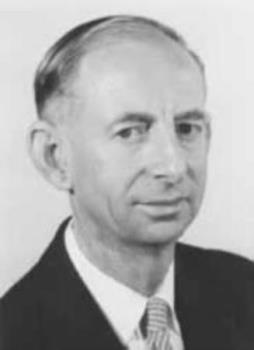
"No-one should underestimate the threat posed by insects. They inhabited the earth 300 million years or more before man and will probably inhabit it after the last vertebrate has perished. We do well to prepare for a prolonged contest."
- Doug Waterhouse, entomologist. He worked within the CSIRO Division of Entomology for over 60 years including 21 years as Chief.
Another early priority was to address the blowflies devastating Australia’s vitally important sheep industry. The success of the treatment solutions were early examples that established CSIRO’s long-running expertise in pest biology and control methods. That blowfly research evolved into a life saving mosquito repellent for allied troops during the Second World War, before its next iteration as Aerogard, famously worn by Queen Elizabeth II during her visit to Australia in 1963, and a mainstay at every Aussie barbeque.
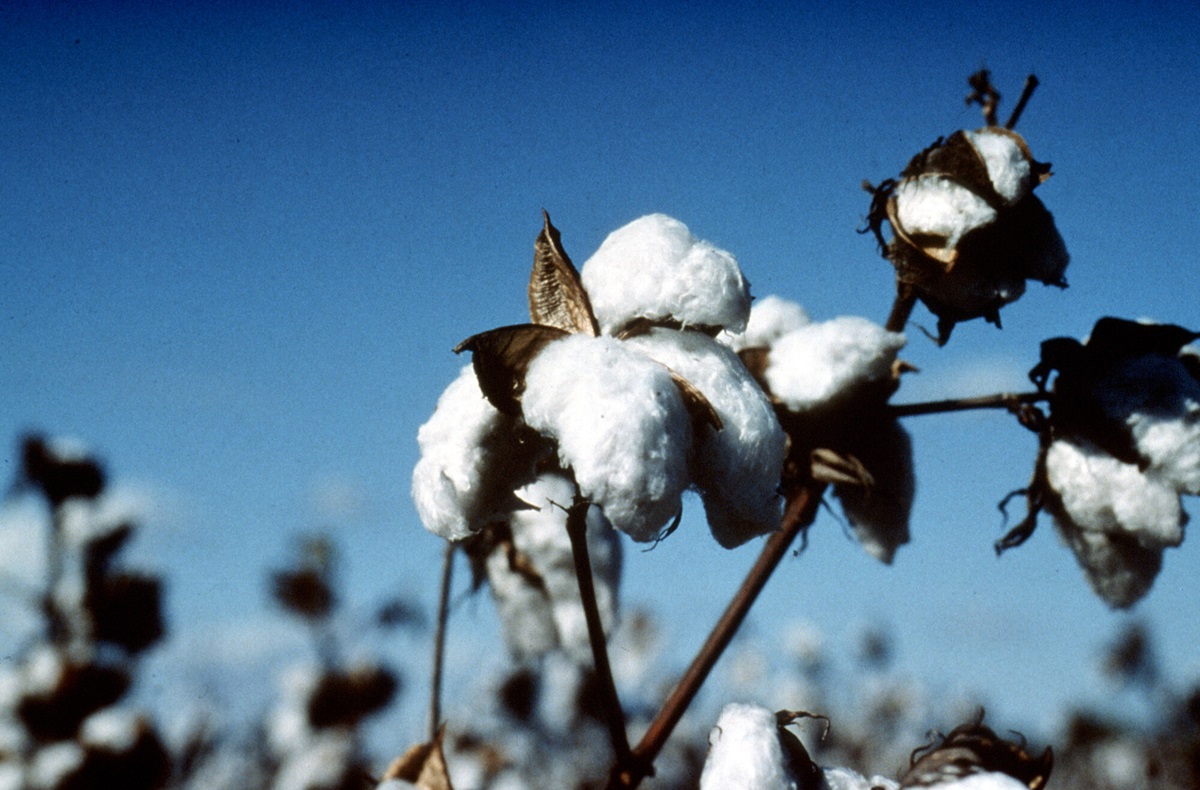
From those beginnings, every decade has been marked by new agricultural advances. We've developed 100 varieties of cotton to help Australian farmers save water, reduce costs and cut insecticide use by 85 per cent.
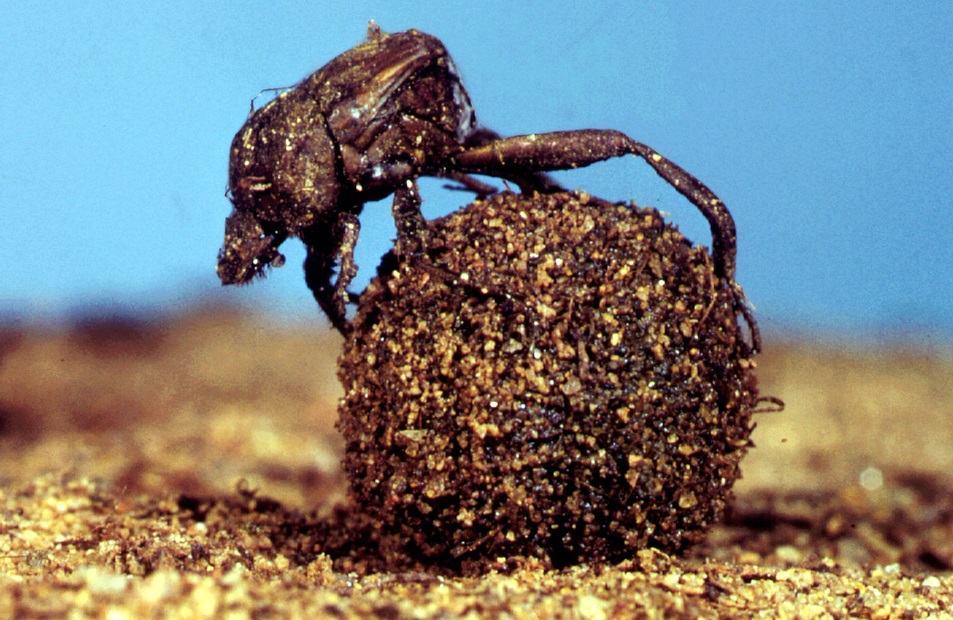
Cattle breeders have benefited, with the release of 44 introduced species of dung beetles in 1960 to process cow pats into nutrients and manage fly populations.
More recently our scientists have built software that uses AI to monitor cattle behaviours to ensure their well-being in yards.
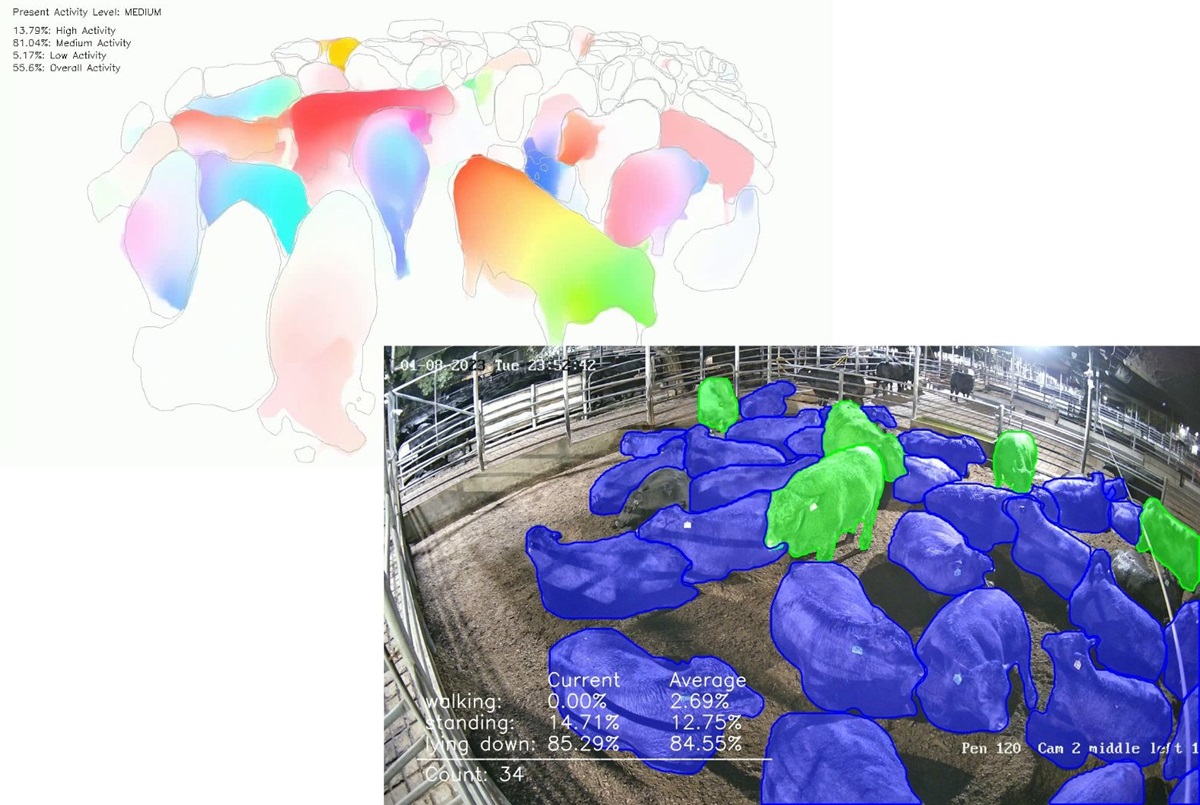
CSIRO researchers have developed AI that can detect individual animals and their activity. The smart algorithm can detect when individual animals are standing, walking, or lying down.
Plant pathogens - organisms which cause plant diseases - greatly reduce agricultural productivity and are a persistent threat to global food security. Annually, rust pathogens lead to crop losses of US$1 billion worldwide, but we’ve been central to developing rust‑resistant cereal and horticultural crops for several decades, combining genetics, plant pathology and breeding partnerships.
We’ve also enhanced crop products, including developing a High Fibre Wheat that yields flour with six times the fibre of regular flour, and BARLEYmaxTM, a low GI supergrain which boasts four times the resistant starch and twice the dietary fibre of regular grains. Both are now used in a range of commercially available food products, as well as being recognised by international health bodies.

Healthy lives, backed by science
Our early work translated plant science into pharmaceutical research and development. During World War II our experimental cultivation of opium poppies and new processes to extract medical grade morphine addressed the urgent need for pain relief for injured soldiers.
Today our heath research spans prevention, diagnosis and treatment of disease, and includes digital health technologies, biomedical research and diagnostics, infectious disease research and vaccine development.
Our nutrition research has been hugely influential, supporting millions of Australians to improve their health and wellbeing. The CSIRO Total Wellbeing Diet is one of the organisation’s most recognised publications, translating research into everyday healthy meal planning, with over one million copies sold and an online version now available.

A woman enjoys a meal from the CSIRO Total Wellbeing Diet. Credit: Digital Wellness.
We are a leader in infectious disease research, particularly through a specialised focus on zoonotic diseases (pathogens that jump from animals to humans). In our early days, we tackled threats such as influenza following the 1918–1919 pandemic. In a landmark breakthrough, Peter Colman and colleagues determined the structure of the influenza neuraminidase protein, enabling development of the first effective anti influenza drug, zanamivir (Relenza®), released globally in 1999.

This expertise has been repeatedly called on, including in 2020 when CSIRO supported Australia’s COVID-19 response through vaccine development, testing and national preparedness.
Much of our work in infectious disease has taken place at the Australian Centre for Disease Preparedness (ACDP, formerly the Australian Animal Health Laboratory).
This high-containment facility is designed to safely study the world’s most dangerous infectious agents and protect Australia’s multi-billion-dollar livestock and aquaculture industries, as well as the general public, from emerging infectious disease threats.
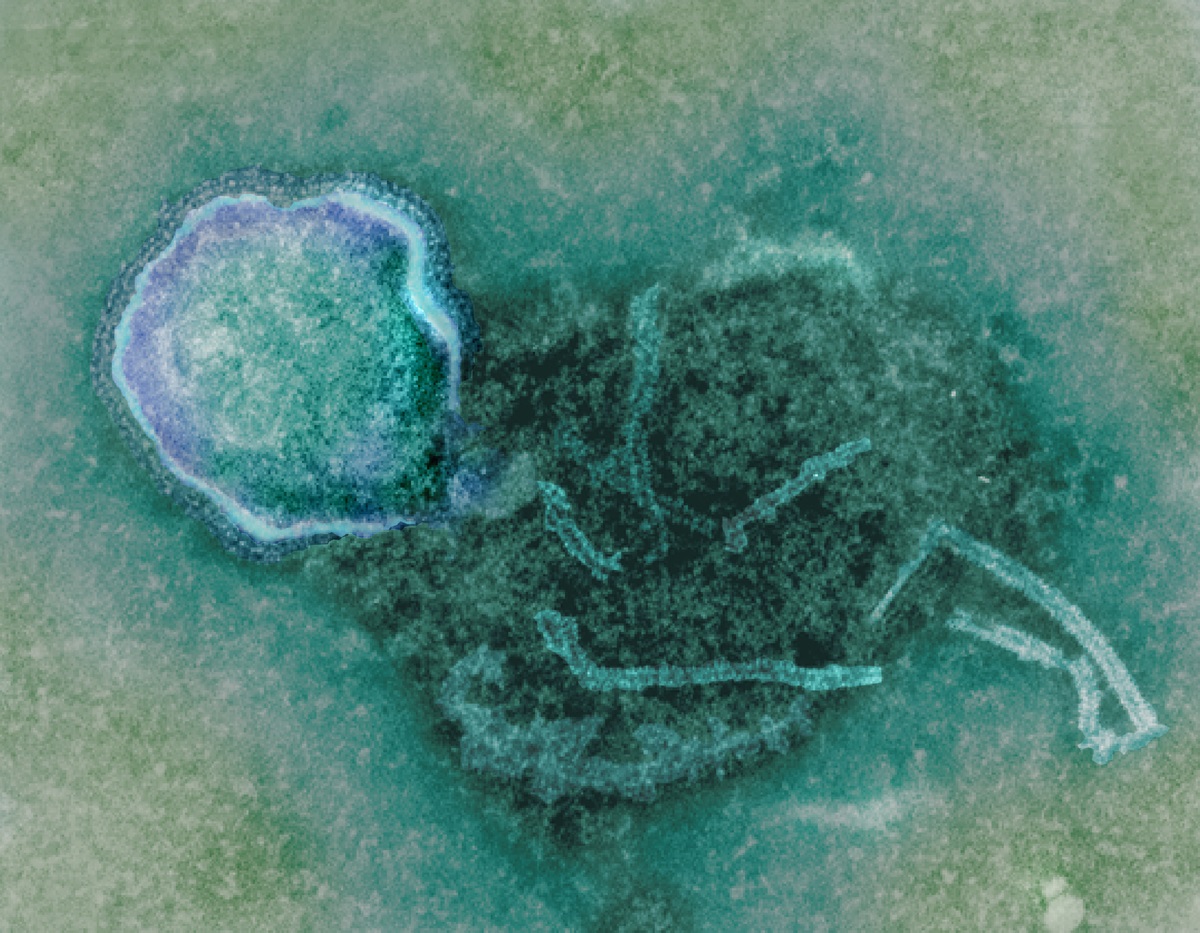
We identified the deadly Hendra virus in 1994 and helped develop a vaccine in 2012, protecting horses and people. In 2021, we discovered a new type of Hendra found in flying foxes across a broad region of Australia. We continue to study bat-borne viruses, discovering the new Salt Gully Virus in 2025.
Knowledge that shapes our understanding of the world
Curiosity about the world around us draws many people into science, driving them to explore, question and better understand how things work.
Our research spans the globe, from mapping minerals underground, to sampling the air we breathe.
Our water research runs through rivers, reefs, groundwater basins, coasts, oceans and sea floors.
From managing threats to biodiversity in some of the most arid locations, to monitoring melting ice shelves in Antarctica, our scientists’ fieldwork ventures into all of nature’s extremes.
Advanced modelling across multiple research areas contributes to the Australian Climate Service’s National Climate Risk Assessment, and the biennial State of the Climate report (first released in March 2010 by CSIRO and the Bureau of Meteorology), which highlights long-term climate trends to help make informed decisions about our future.
Our environmental research delivers benefits that extend beyond the population; we also play a critical role in protecting wildlife. We count koala populations, sharks, sequenced the first genome of the Night Parrot, help conserve the Spotted Handfish, and have named hundreds of new insect species, including the RuPaul fly.
Image Gallery
No images found.
Our conservation efforts are aided by our National Research Collections Australia, home to 15 million natural history specimens used to record and manage Australia’s rich biodiversity.
Eyes to the skies
Some of the biggest questions faced by humanity lie beyond our planet’s limits. We use radio astronomy, satellite observation and space technologies to better understand the Universe and our own planet, to benefit us here on Earth.
Australia is recognised as one of the birthplaces of radio astronomy, with CSIRO scientists pioneering the field after World War II. This leadership led to the construction of world-class facilities, including Murriyang, our Parkes radio telescope on Wiradjuri Country, which opened in 1961 and became an icon of Australian science. We continued to expand the nation’s radio astronomy capabilities with development of the Australia Telescope National Facility.
We also contribute to major international space missions, providing spacecraft communication expertise for NASA via the Canberra Deep Space Communication Complex and managing ESA’s New Norcia station in Western Australia. Murriyang famously relayed images from the Apollo 11 Moon landing, as part of a supporting role it has played to NASA ground stations for more than six decades. Alongside astronomical facilities and research, we began collecting and archiving satellite data for Australia, supporting applications such as bushfire monitoring, land use mapping, and ocean and mineral studies.
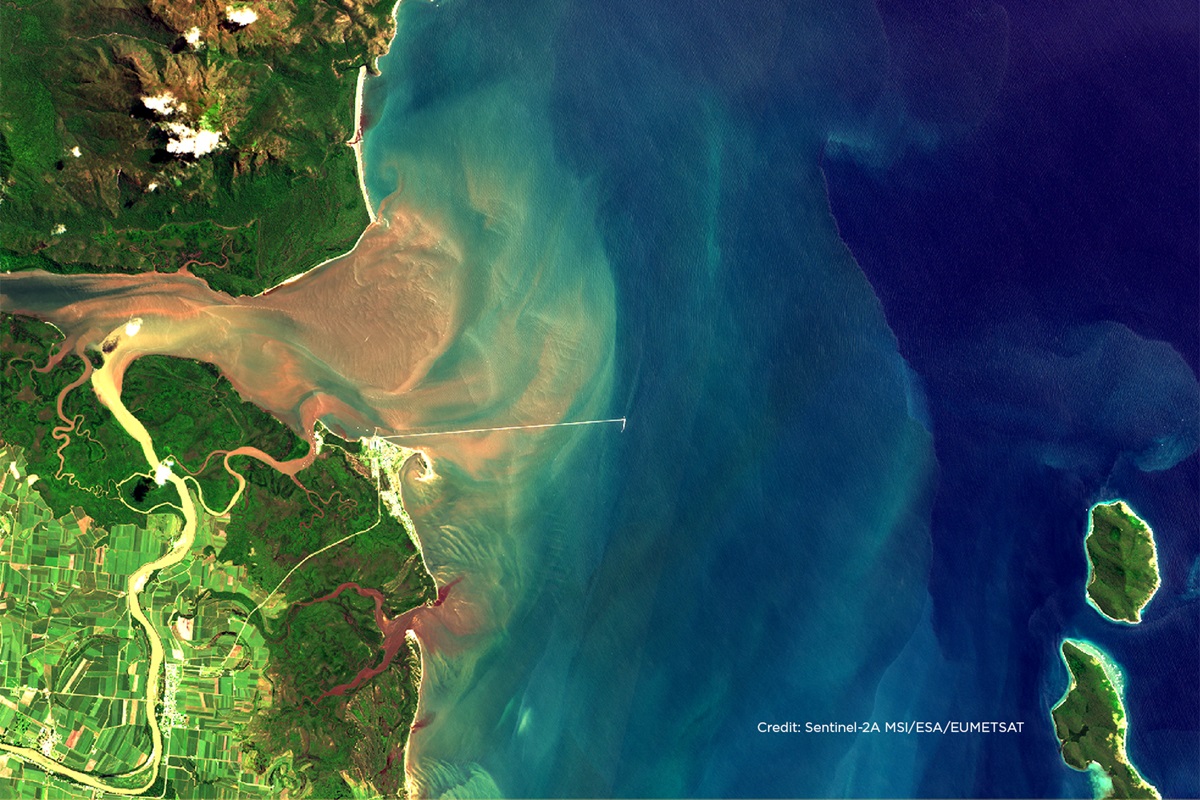
A satellite image of a coast. Credit: Sentinel-2A MSI/ESA/EUMETSAT
Looking ahead, we are now playing a key role in helping build and operate the international SKA Observatory's SKA-Low telescope on Wajarri Yamaji Country, strengthening our role as a global leader in radio astronomy and space science.
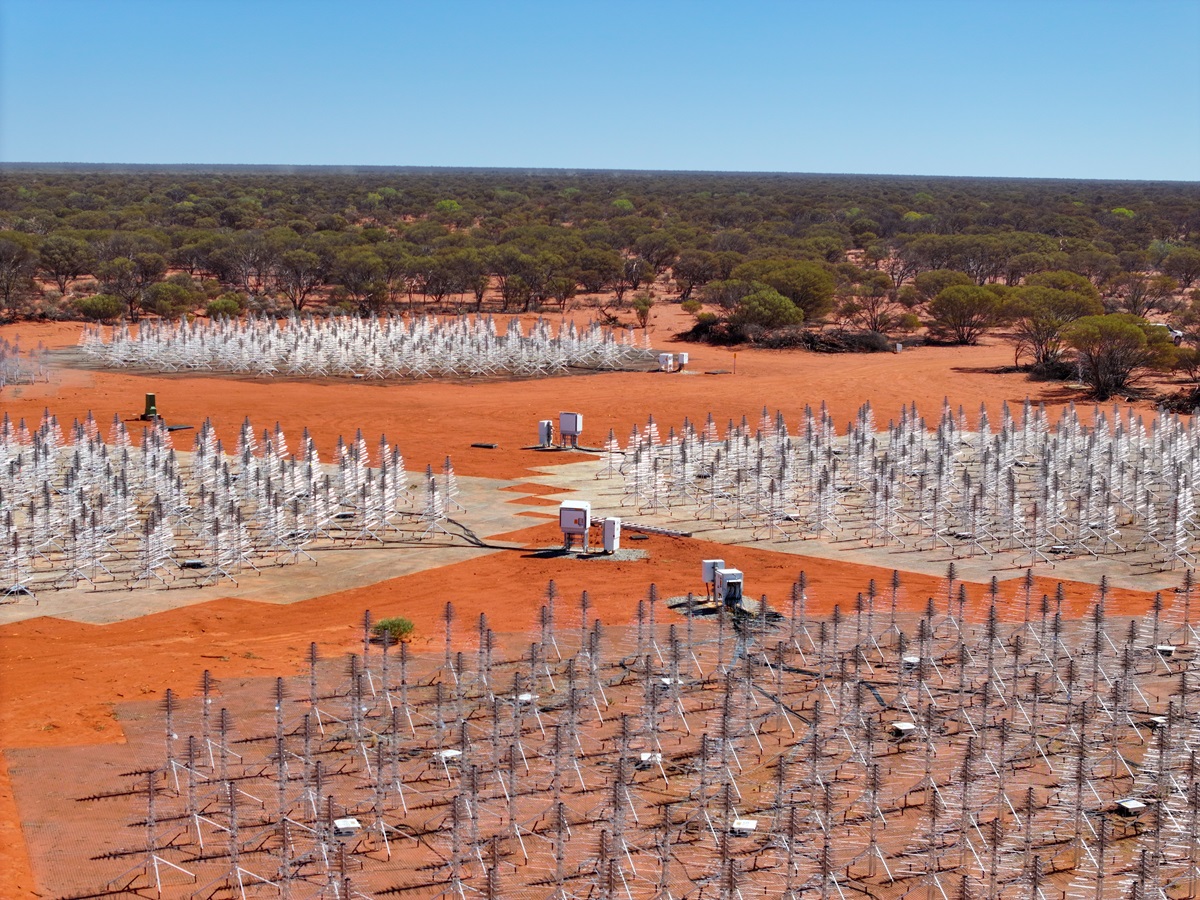
A fraction of the 131,072 antennas that will make up the international SKA Observatory’s SKA-Low telescope at Inyarrimanha Ilgari Bundara, our Murchison Radio-astronomy Observatory on Wajarri Yamaji Country. Credit: SKAO
© SKAO
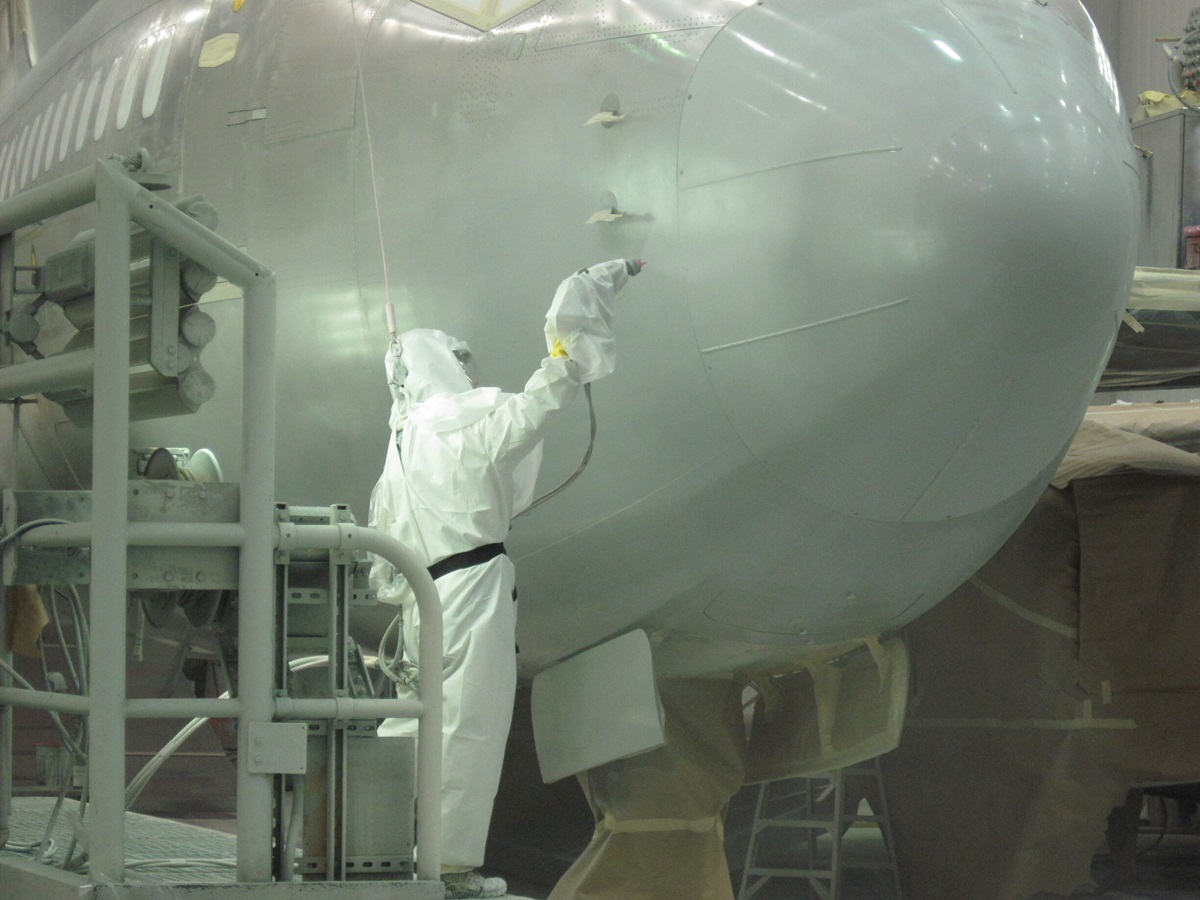
Our decades-long partnership with Boeing also spans space tech as well as human flight technologies, advanced materials, and digital and autonomous aviation systems.
Together we’ve delivered more than 200 projects that improve aircraft performance, optimise airspace operations and support safe and sustainable aerospace manufacturing. Our collaboration strengthens Australia’s aerospace capability, building talent, commercialising technologies and linking local industry to global supply chains.
Breakthrough industry
"I tried to do good, useful science to overcome industry problems, especially environmental issues…The most rewarding things were the many friendships and seeing developments that I was involved in being taken up by industry."
— Catherine Anne Money, Experimental Officer in the former Hides and Leather division

Through advances in technologies, processes and materials, we have helped industries move past longstanding limitations. In some cases, practical innovations developed for one challenge have gone on to deliver unexpected benefits across multiple sectors.
In the 1950s, accurately measuring trace elements remained a major scientific challenge. What began as a long‑shot idea by Alan Walsh, pursued despite technical hurdles and limited interest, became a breakthrough in atomic absorption spectroscopy.
For the first time, industries could measure elements precisely and reliably, transforming fields from mining and manufacturing to medicine and environmental monitoring, and giving rise to a new scientific instrument industry in Australia.
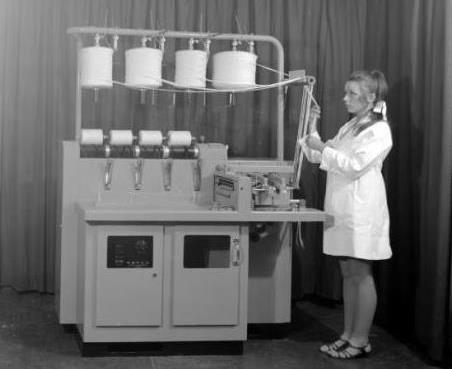
On the factory floor, a different challenge emerged: how to increase textile production without sacrificing quality. In the 1960s, CSIRO researchers rethought the spinning process itself, leading to the development of self‑twisting yarn.
By replacing traditional methods with a fundamentally new approach, spinning machines could operate up to ten times faster, unlocking manufacturing efficiency across the textile industry.
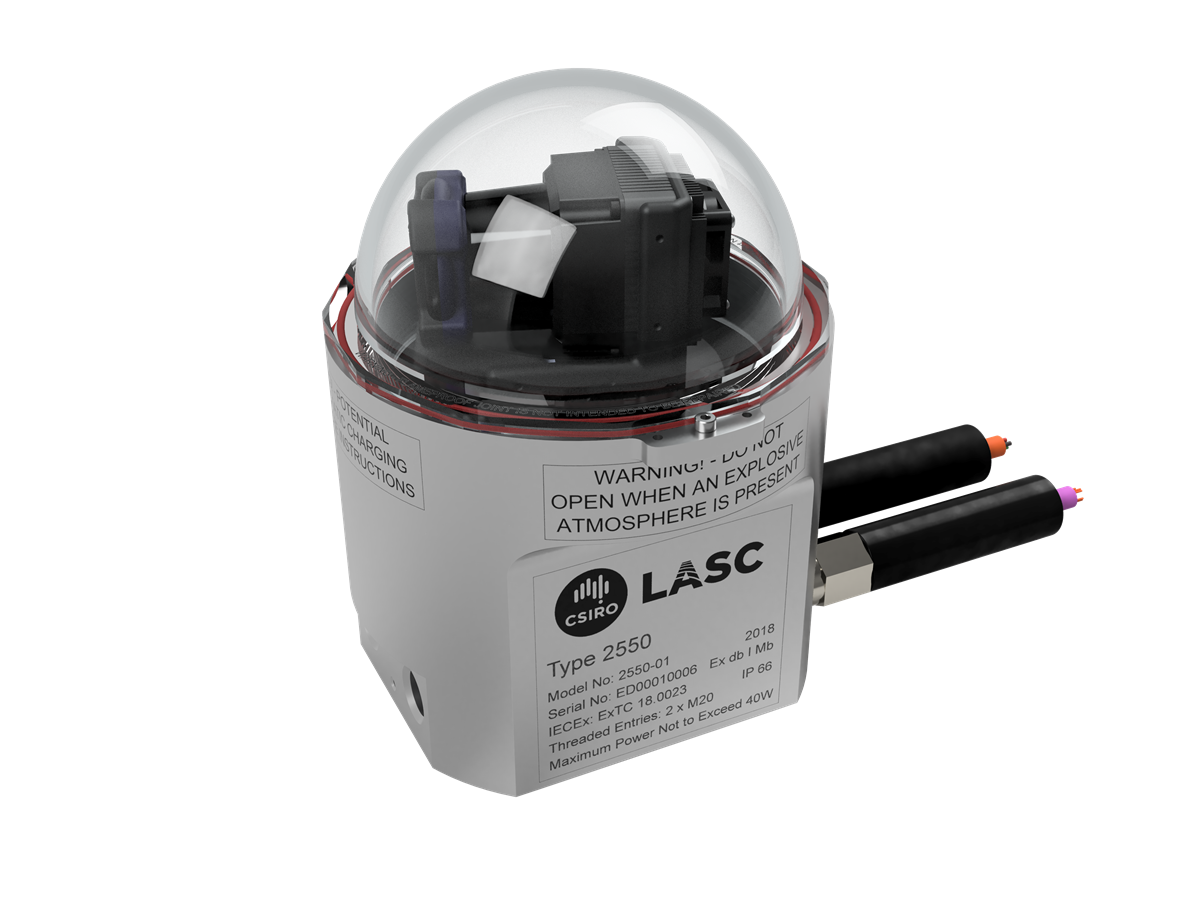
Underground mining was transformed by the LASC Longwall Automation System, which uses advanced navigation sensors and autonomous control systems to keep mining equipment aligned and in-seam during extraction. By eliminating the need for manual alignment, removing operators from hazardous regions of the longwall, and providing enhanced awareness of the mining environment, LASC has set a new global standard for underground automation in modern longwall mining.
In materials science, our researchers developed an advanced ceramic material called Partially Stabilised Zirconia that is far tougher than traditional ceramics. This 'ceramic steel' can resist cracking and withstand extreme heat, corrosion and wear, making it ideal for industrial, automotive, and, more recently, 5G-friendly, durable smartphone cases.
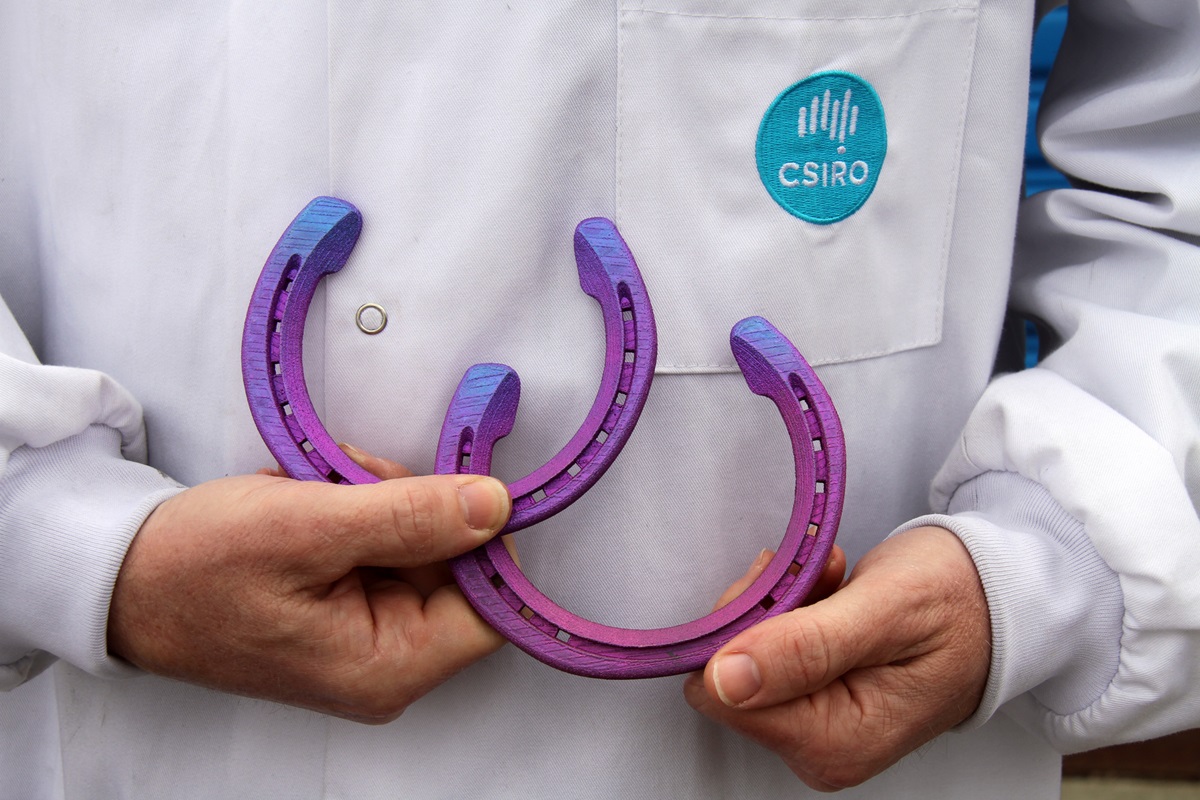
We also played a central role in bringing 3D printing technology to Australia through Lab22, our metal additive manufacturing facility. What began as an effort to expose industry to a new capability has helped reshape the sector, enabling 3D-printing of products ranging from jet engines to rib cages, and orthotic horseshoes.
Harnessing and shaping new technologies
As digital technologies reshape modern life with increasingly complex systems, understanding and managing them became the next frontier. Our experts are at the forefront of rapid advancements in digital technologies, robotics and AI. By applying AI at scale, we have transformed how the world around us is modelled and monitored, from predicting bushfire spread and helping protect the Great Barrier Reef from crown-of-thorns starfish, to tracking livestock across vast landscapes. These tools enable earlier interventions, better decision making and more resilient systems.
Our robotics work extends our human capabilities, going places we cannot go, or in place of us in some of the toughest conditions, from the intense heat of large‑scale solar farms to GPS‑denied underground mines, and even to the International Space Station.
Autonomous robots and drones can navigate, collect detailed 3D data and operate continuously, improving safety while delivering new levels of precision and productivity.
Behind many of these advances are digital platforms that have become critical infrastructure. In healthcare, our digital health innovations are enabling remote care, optimising patient outcomes and supporting more connected health systems.
Securing a sustainable Australia
Both in fair-weather times and in periods of uncertainty, our research has sought to ensure communities are safe, homes are efficient, food is reliable, and energy systems are resilient in a changing world.

For more than 80 years, we’ve studied how homes use and lose energy, shaping national building standards that reduce emissions and lower costs. What began as post‑war experiments in building physics has evolved into a national capability underpinning Australia’s energy policies and technologies.
Adopted nationwide in 2004, the Nationwide House Energy Rating Scheme (NatHERS) now assesses around 90 per cent of new home designs, delivering an estimated $1.72 billion in net benefits between 2003 and 2050.
For Australian households, this bottom line is lower energy bills and more comfortable living conditions.
As global conditions for farming become more uncertain, our scientists are developing new approaches to agriculture and food systems so the food on your table remains available, nutritious and affordable. Our work is assisting farming to adapt to climate change, ensuring future protein sources are sustainable and converting food waste and by-products into high‑value, usable ingredients. We’re also collaborating with partners to deliver Ag2050; a multi-year program of work that will reimagine what farming systems could and should look like to be profitable, productive and sustainable in 2050.

©
Energy is a key pillar of sustainability and supporting the nation’s transition to a lower-cost, cleaner future. We are advancing research in renewables with innovations in next generation perovskite solar cells, concentrated solar thermal technologies for cleaner industrial process, low‑emissions fuels including in aviation, and energy storage and battery technologies.
We’re working to decarbonise our transport sector with hydrogen vehicle refuelling infrastructure, and we operate a dedicated facility to test how experimental renewable energy scenarios work in real‑world electricity grids.
Our world leading capture, storage and utilisation research is integral to mitigating decades of carbon emission legacy and helping Australia’s critical and hard-to-abate industries such as cement, steel and fertilisers on their complex and challenging forward pathways to net zero goals.
Science in partnership
We also work closely with international partners to tackle shared global challenges, with long-standing engagement across the Asia-Pacific region.
Through programs supported by the Australian Government, including the Department of Foreign Affairs and Trade’s Data for Development (D4D) initiative, the Innovation in Food for Sustainability (IF4S) program, the India–Australia RISE Accelerator and Technology Commercialisation Challenge, we strengthen connections, build capability and scale impact across regions.
We’ve always believed we can go further together. That’s why our work is deeply connected across government, industry, universities, education and a community of engaged Australians, including citizen scientists. In Australia, we partner with more than 5,000 organisations and have supported over 3,000 small and medium enterprises, helping turn ideas into impact by removing barriers to innovation. Together, this network has helped build an innovation pipeline with an estimated alumni company valuation of AUD$71.2 billion.
Shaping the future is also about who comes next. For over 40 years, we have delivered a unique suite of Australian Curriculum aligned science, technology, engineering and maths (STEM) education programs, to deliver real-world learning opportunities, teacher professional development, mentoring, work experience and exciting career pathways.
Our STEM Professionals in Schools program has been putting scientists in front of classrooms across the nation for nearly 20 years, and in partnership with the BHP Foundation, STEM Together is expanding access for under-represented students, and STEM Insights is connecting education allies to create evidence-based frameworks to capture and retain student engagement.
Across all our programs, each year we engage with over 120,000 young people and collaborate with 5,000 educators, 1,500 schools and 200 industry organisations, with the shared goal to inspire students, support teachers, connect learning to industry, and build the pipeline of STEM talent Australia needs to tackle tomorrow’s greatest challenges.
What comes next
A century on, the vision remains clear: our science improves the life of every Australian. As we look to the next 100 years, our commitment is as strong as ever to take on the big challenges facing the world in service of Australia, and beyond.
There is more to our history. From our earliest foundations to today's breakthroughs, explore our centenary timeline to uncover some of the milestones, people and ideas that have shaped CSIRO.
Credits
-
Author
-
Editor
Thea Williams
-
Images
CSIRO Archives
-
Developer
Kate Cochrane